



The Maritime Coalition: From Formation to Readiness

The appointment of Rear Admiral Abdullah Al-Shehri as commander of the coalition moves the initiative from the announcement of its formation to building its command structure and operational readiness
Riyadh | BETH
The Saudi Ministry of Defense has appointed Rear Admiral Abdullah bin Salem Al-Shehri as commander of the Multinational Maritime Defensive Coalition, in a step that completes its command structure and opens the phase of operational planning and the integration of participating countries’ capabilities.
The appointment comes one week after the Riyadh meeting, which was attended by representatives of 43 countries and the European Union. During the meeting, 14 countries announced their support for establishing the coalition to protect navigation, trade and energy supplies in the Red Sea, Bab Al-Mandab Strait and Gulf of Aden.
Rear Admiral Al-Shehri will lead joint defensive maritime missions, oversee planning and coordination among member states and with other maritime coalitions, and supervise information-sharing, capacity-building, training and exercises.
The appointment also prepares the coalition to receive contributions from participating states, including ships, aircraft, surveillance systems and personnel. However, it does not mean that operations will begin immediately, as the command bodies, joint staffs and operating procedures are still being completed.
A planners’ meeting is scheduled for August 12 and 13 to complete the institutional framework and enable more countries to sign the joint statement and charter. A subsequent statement will announce the names of the new members and signatories.
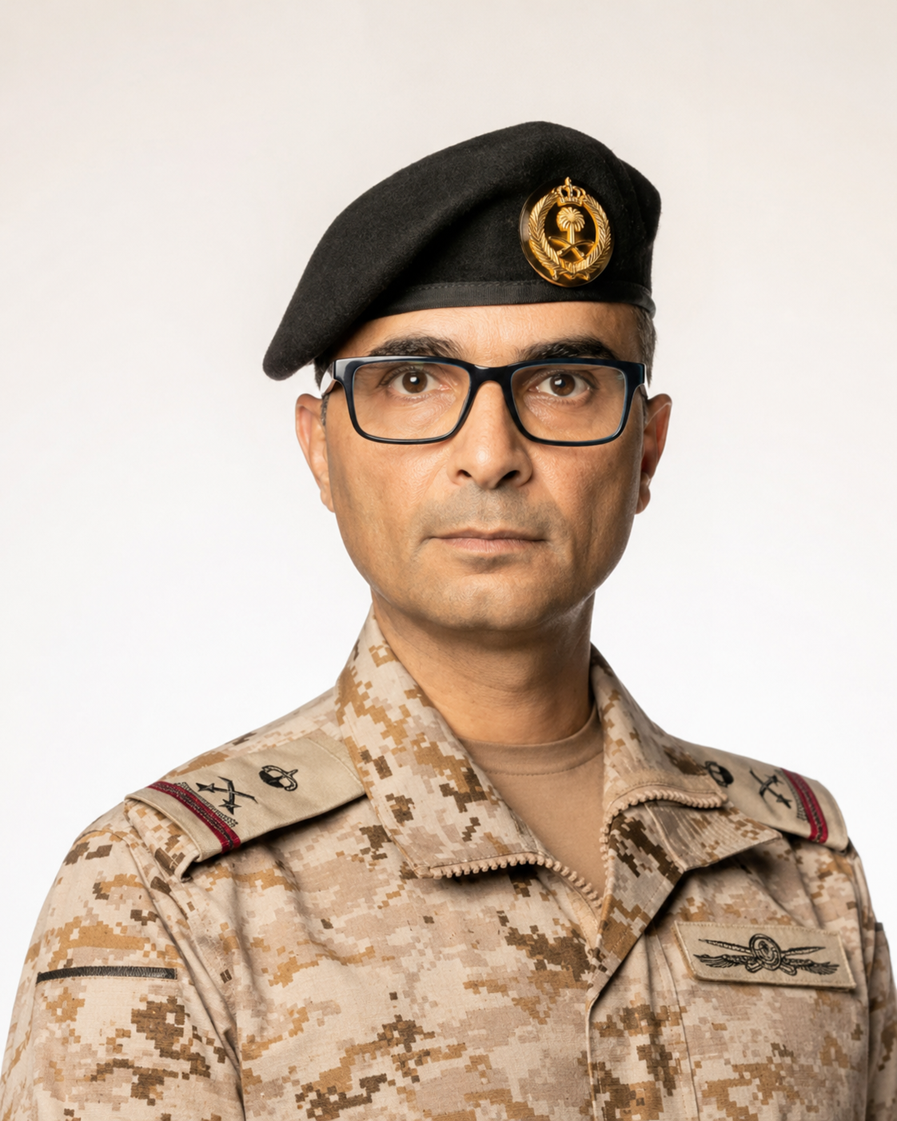
Why Rear Admiral Abdullah Al-Shehri?
Rear Admiral Abdullah Al-Shehri has more than 32 years of experience. He served as Head of the Planning, Budget and Force Development Authority in the Royal Saudi Naval Forces, managed the Al-Sarawat Project to build five combat ships, and worked in maritime supervision in Spain. He has also participated in multinational operations and exercises.
His experience shows that his mission is not limited to commanding a force at sea. It also includes building a multinational coalition and integrating different command systems, procedures and capabilities into a single operational structure.
What Has Changed?
With this appointment, the coalition has moved from political support to the establishment of a clear chain of command—the first requirement for transforming separate national ships, information and training activities into a joint force.
Its actual progress will be measured through three indicators: the announcement of the signatory states, the identification of the capabilities they will contribute, and the start of joint patrols or exercises.
The coalition was announced in Riyadh, but it will begin operating in practical terms when participation moves from signing the charter to an organised presence at sea.