



First High School for Advanced Industries
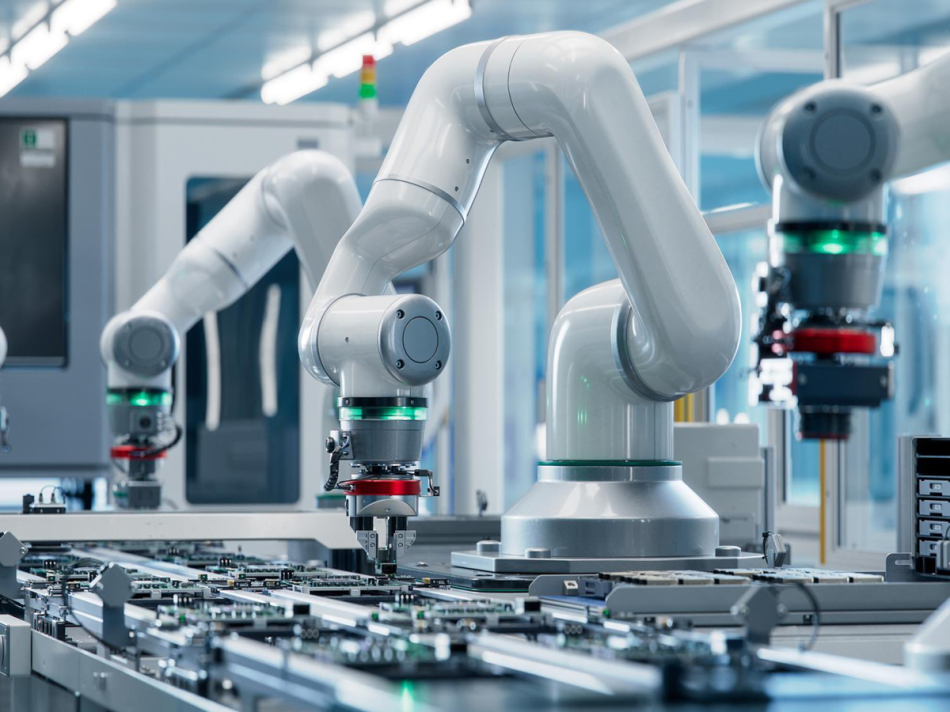
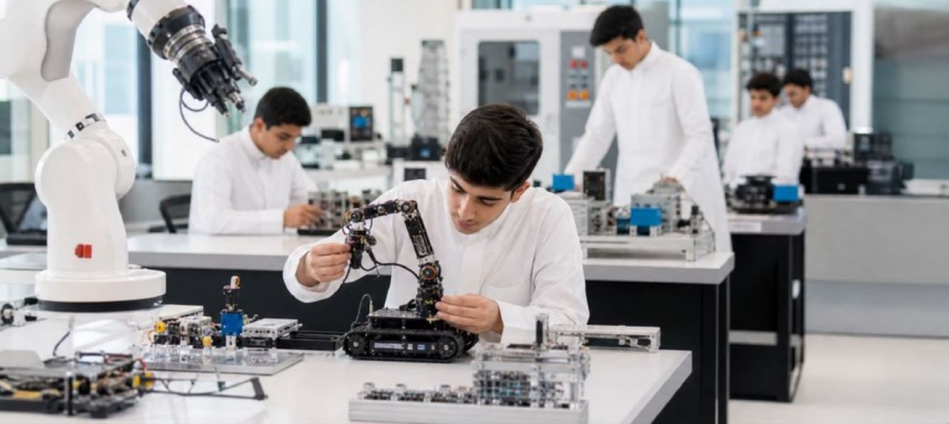
Qassim hosts a specialized school combining academic education with practical training to prepare gifted students for future technologies and the needs of national industry
Qassim | BETH
The Ministry of Industry and Mineral Resources and the Ministry of Education have launched the “School for Gifted Students in Advanced Industries” in Buraidah, Qassim Region. It is the first high school in the Kingdom specializing in advanced industries and future technologies, as part of an initiative aimed at preparing qualified Saudi talent to help lead the future of national industry.
The school offers an educational model that combines academic curricula, specialized courses, and practical training in cooperation with industrial and educational institutions. This will enable students to move beyond studying science and technology in theory and apply their knowledge through projects and experiments connected to real industrial environments.
The school targets gifted and high-achieving middle school graduates through an educational pathway focused on developing engineering thinking, innovation, and problem-solving skills, while preparing them for the university disciplines and professional careers required by the future of industry.
Commentary
The significance of the school lies not only in being the first of its kind, but also in the change it represents in the relationship between education and the labor market.
The traditional model waited until students reached university or entered employment before introducing them to the industrial environment. The new school, however, begins this preparation during the high school years, when talent is still taking shape and the opportunity to guide it is greater.
The choice of Qassim also carries an important development message. It expands the distribution of specialized education beyond the major cities and gives the regions a direct role in developing talent connected to their economic strengths and investment opportunities.
The success of the initiative, however, will not be measured by the school’s name or the number of students enrolled. It will be measured by its ability to establish a genuine connection between students and factories through advanced laboratories, field training, applied projects, professional certifications, and clearly defined pathways leading to universities and industrial enterprises.
Through this initiative, the Kingdom is not merely establishing a new school. It is testing a new model for developing national industrial talent:
Identifying talent early, educating it scientifically, training it practically, and then directing it toward industries the nation needs.
Industrial transformation does not begin when a factory starts operating. It begins in the classroom that prepares the minds capable of operating it, developing it, and creating what comes next.