



Saudi Arabia and Britain: A Continuing Partnership
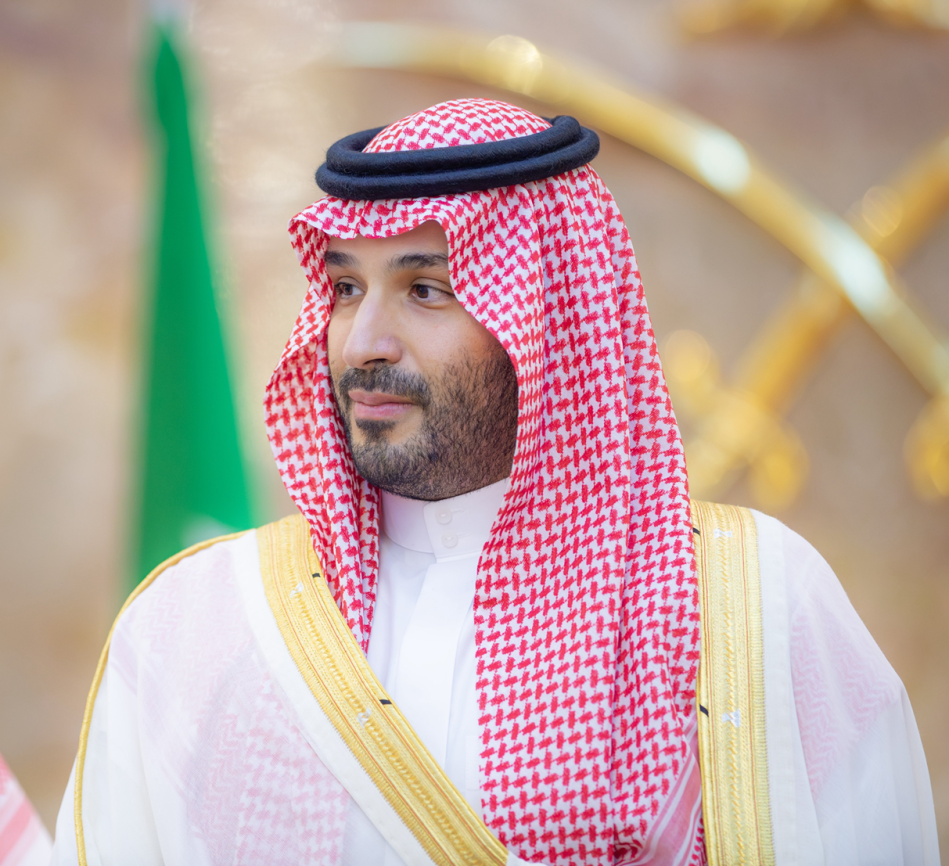
The Crown Prince congratulates the new British Prime Minister, while London condemns the Houthi attacks and affirms its support for the Kingdom’s security and sovereignty
Jeddah | BETH
His Royal Highness Prince Mohammed bin Salman bin Abdulaziz Al Saud, Crown Prince and Prime Minister, held a telephone conversation with the new British Prime Minister, Andy Burnham, during which he congratulated him on his appointment, wished him success, and emphasized the distinguished relations between the United Kingdom and the Kingdom of Saudi Arabia and their friendly peoples.
Burnham expressed his thanks to the Crown Prince and condemned the attacks launched by the Houthi militia and its threats to freedom of navigation in the Red Sea, affirming his country’s support for the Kingdom’s security and sovereignty.
The two sides also reviewed the existing areas of cooperation between Riyadh and London and ways to develop and strengthen them, in addition to discussing several regional and international issues of mutual interest.
Burnham assumed the British premiership on July 20, 2026, succeeding Keir Starmer, at a time when London is facing domestic challenges and growing pressure concerning defence, Ukraine, and the Middle East.
Beyond the Congratulations
The conversation was not limited to a protocol message congratulating a new head of government. It opened a direct channel between the Crown Prince and Burnham during the first days of the formation of the new British government.
The issues raised during the conversation reveal the priorities of the relationship in the coming stage:
The Kingdom’s security, navigation in the Red Sea, regional stability, and the expansion of economic and investment cooperation.
Burnham’s affirmation of support for the Kingdom’s security and sovereignty carries particular significance because it came as Houthi attacks shifted from threats to the targeting of Saudi energy facilities and vessels, and at a time when Bab al-Mandab has become a second front in the war following disruption in the Strait of Hormuz.
For Britain, Red Sea security is not a distant issue. Trade routes linking British markets with Asia pass through it, while London is directly affected by energy, insurance, and shipping costs whenever navigation is disrupted.
British support for the Kingdom in confronting the Houthi threat is therefore not based solely on political solidarity. It also aligns with a British interest in protecting trade and preventing the war from expanding.
A Partnership Beyond Security
Saudi-British relations are built on a Strategic Partnership Council encompassing the economy, investment, defence, education, health, culture, and technology.
Trade between the two countries exceeded £16 billion in 2024, with a target of raising it to £30 billion by 2030, alongside efforts to strengthen investment, support the establishment of regional headquarters for British companies in the Kingdom, and advance negotiations on a free trade agreement between Britain and the Gulf Cooperation Council states.
The Saudi-UK Investment and Partnership Summit in London in June 2026 also brought together more than 350 officials, investors, and business leaders to discuss opportunities for cooperation in infrastructure, artificial intelligence, future industries, and the creative economy.
This provides the new British government with an established foundation from which to move beyond affirming the continuity of relations toward launching new projects and agreements.
BETH Analysis | Continuity and a Test
The conversation conveyed two reciprocal messages.
The first came from Riyadh: the relationship with Britain is a state-to-state relationship that continues despite changes in government, but the new phase should move beyond praising the partnership toward expanding its results.
The second came from London: the Burnham government wants to demonstrate the continuity of its commitment to the Kingdom’s security and maritime routes, and to ensure that the change in British leadership does not create a vacuum in the relationship.
However, the real test will come after the conversation.
Political support for the Kingdom’s security requires practical cooperation in protecting navigation, exchanging information, preventing weapons from reaching the Houthis, and adopting a clear position toward the parties financing threats to the Red Sea.
On the economic side, progress in the relationship will be measured by movement toward the £30 billion trade target, the transformation of investments into industrial and technological partnerships, and advancement of the Gulf-British free trade agreement toward completion.
The relationship with Burnham began with congratulations, but during the same conversation it moved to security, sovereignty, and trade.
This means that the new British government was not given much time for courtesies. The war placed its issues on the table from its first days.