



Saudi Arabia–Korea Energy Partnership | 사우디-한국 에너지 협력
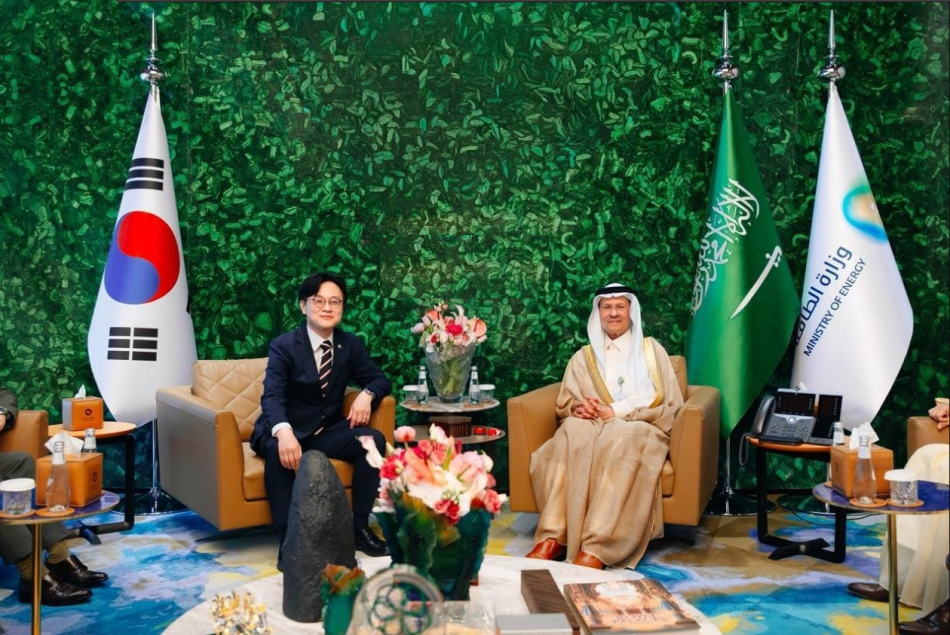
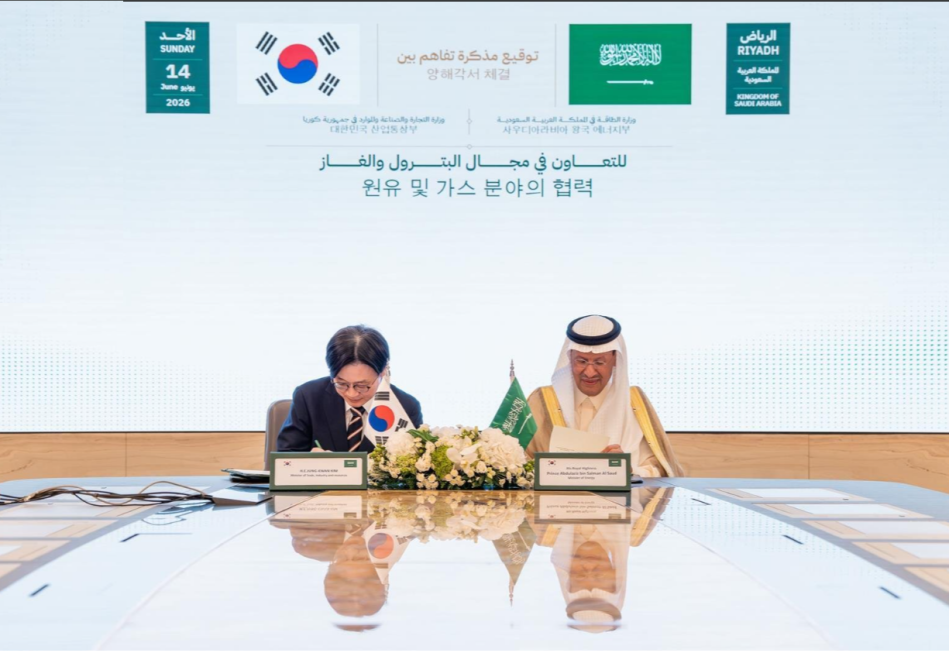
Saudi Arabia and South Korea have taken another step toward deepening their strategic energy partnership, with the signing of a new memorandum of understanding covering oil, gas, infrastructure, innovation, and digital transformation. The agreement reflects a growing focus on long-term cooperation that extends beyond energy trade to include technology, research, and sustainable development.
사우디아라비아와 대한민국은 석유, 가스, 인프라, 혁신 및 디지털 전환을 포함하는 새로운 양해각서(MOU)를 체결하며 전략적 에너지 협력을 한 단계 더 발전시켰다. 이번 협력은 단순한 에너지 교역을 넘어 기술, 연구개발, 지속가능한 성장까지 포함하는 장기적 협력 확대를 보여준다. 🇸🇦🇰🇷
Riyadh 리야드 | BETH
Saudi Arabia and Korea: Expanding the Energy Partnership
From Oil to Innovation and Infrastructure
Saudi Minister of Energy Prince Abdulaziz bin Salman met with South Korea's Minister of Trade, Industry and Energy Resources Kim Jong-hwan to discuss ways of strengthening cooperation and investment in the energy sector. The two sides also signed a new Memorandum of Understanding covering petroleum and natural gas cooperation.
The agreement includes collaboration in oil and gas and their derivatives, refining and petrochemicals, investment partnerships, increasing Saudi crude storage within South Korea's strategic petroleum reserves, and enhancing cooperation in infrastructure, pipelines, innovation, digital transformation, research, and development.
What Does This Mean?
The announcement is not merely about oil supplies.
It reflects the expansion of the Saudi-Korean partnership beyond traditional energy trade toward long-term cooperation in:
- Energy security.
- Investment.
- Infrastructure.
- Advanced technologies.
- Research and development.
- Digital transformation.
Why Is This Important?
South Korea is one of the world's leading industrial economies and among the largest importers of Saudi energy.
At the same time, Saudi Arabia is seeking to deepen its partnerships with major industrial economies through projects that go beyond conventional supply relationships to include technology, industry, and innovation.
This explains the growing importance of cooperation in strategic storage, infrastructure, and research and development.
More Than Oil
Notably, the memorandum extends beyond energy production itself.
It also covers:
- Advanced technologies.
- Digital transformation.
- Sustainability.
- Innovation.
- Infrastructure development.
- Research partnerships.
This reflects the ongoing global transformation of the energy sector toward more integrated models that combine energy, technology, and industry.
BETH Assessment
In a world where energy security and supply chains are becoming increasingly important, successful partnerships are no longer measured solely by export volumes.
They are measured by their ability to build long-term systems of cooperation that deliver stability, resilience, and added value for both sides.
Therefore, the key question may not be:
How many barrels will be exported?
But rather:
How many projects, technologies, and strategic partnerships can emerge from this relationship in the years ahead?
사우디아라비아-한국, 에너지 협력 확대
석유를 넘어 혁신과 인프라로
사우디아라비아 에너지부 장관인 압둘아지즈 빈 살만 왕자는 한국의 김정환 산업통상자원부 장관과 만나 에너지 분야 협력 및 투자 확대 방안을 논의했으며, 양국은 석유 및 가스 분야 협력을 위한 새로운 양해각서(MOU)를 체결했다.
이번 양해각서는 석유·가스 및 관련 제품, 정유 및 석유화학, 투자 협력, 한국 전략비축유 내 사우디 원유 저장 확대, 인프라 및 송유관 협력, 혁신, 디지털 전환, 연구개발(R&D) 분야를 포함한다.
이것이 의미하는 바는?
이번 협력은 단순히 원유 공급에 관한 것이 아니다.
이는 사우디와 한국의 협력이 전통적인 에너지 교역을 넘어 다음과 같은 장기적 협력으로 확대되고 있음을 보여준다.
- 에너지 안보
- 투자
- 인프라
- 첨단 기술
- 연구개발
- 디지털 전환
왜 중요한가?
대한민국은 세계 주요 산업국 중 하나이며, 사우디 에너지의 주요 수입국이다.
한편 사우디아라비아는 기술, 산업, 혁신을 포함하는 협력을 통해 주요 산업국들과의 전략적 파트너십을 확대하고 있다.
이러한 맥락에서 전략적 비축, 인프라, 연구개발 분야 협력의 중요성이 더욱 커지고 있다.
석유 그 이상
이번 양해각서는 에너지 생산에만 국한되지 않는다.
다음 분야도 포함한다.
- 첨단 기술
- 디지털 전환
- 지속가능성
- 혁신
- 인프라 개발
- 연구 협력
이는 에너지와 기술, 산업이 결합된 통합형 모델로 전환되고 있는 글로벌 에너지 산업의 흐름을 반영한다.
BETH 평가
에너지 안보와 공급망의 중요성이 커지는 오늘날, 성공적인 파트너십은 더 이상 수출량만으로 평가되지 않는다.
오히려 양국에 안정성, 회복력, 부가가치를 제공하는 장기적 협력 체계를 구축할 수 있는지가 핵심이다.
따라서 중요한 질문은 다음과 같을 수 있다.
얼마나 많은 원유가 수출될 것인가?
가 아니라,
향후 이 관계를 통해 얼마나 많은 프로젝트와 기술, 그리고 전략적 파트너십이 탄생할 것인가?