



Saudi Arabia Ranks Third Globally for Feeling Safe Walking Alone at Night
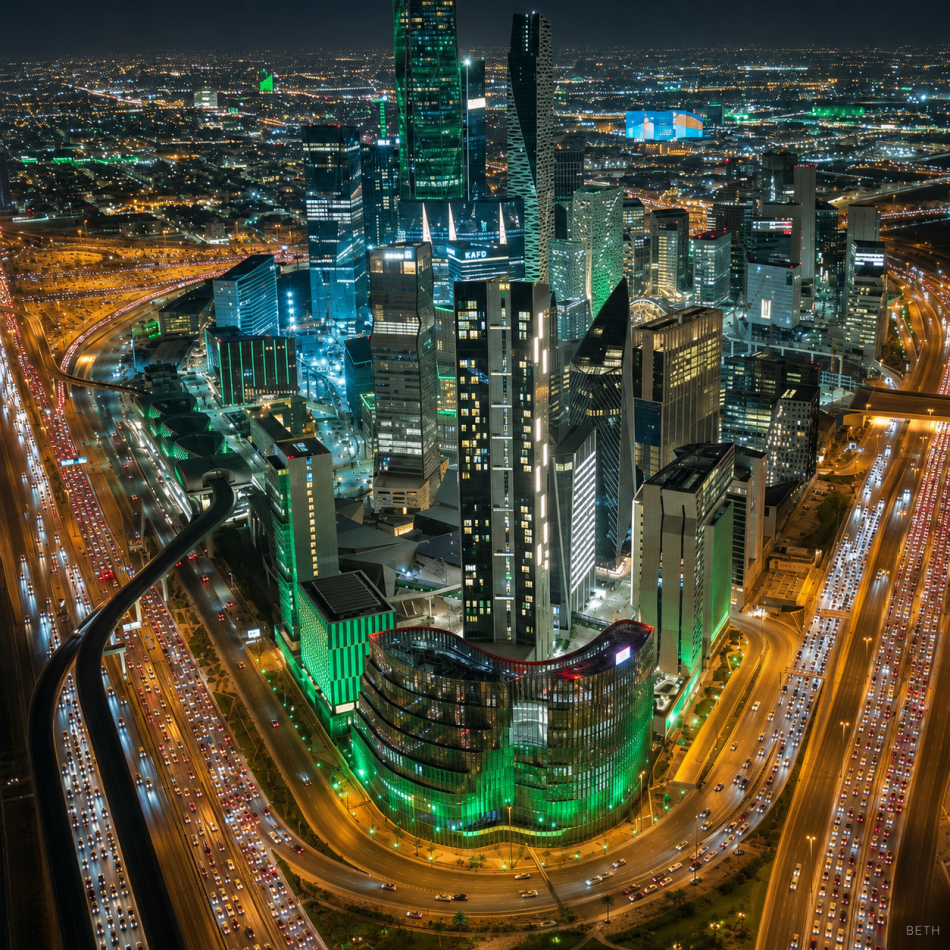
95% of respondents in Saudi Arabia said they felt safe walking alone at night, 26 percentage points above the global average, according to Gallup’s 2026 Global Safety Report.
Riyadh | BETH
November 20, 2026
Saudi Arabia ranked third globally for feeling safe walking alone at night, according to Gallup’s 2026 Global Safety Report. The report drew on surveys of more than 143,000 people across 140 countries and territories in 2025.
In Saudi Arabia, 95% of respondents said they felt safe walking alone at night in the city or area where they lived, up from 93% in the 2024 survey. Over the same period, the global average fell from 73% to 69%, widening the gap between Saudi Arabia and the global average from 20 to 26 percentage points.
Four Gulf Countries Among the Top 10
The United Arab Emirates and Singapore ranked first and second, respectively, each with a reported figure of 96%. Saudi Arabia followed at 95%. Kuwait recorded 93% and Bahrain 92%, bringing the number of Gulf Cooperation Council countries in the global top 10 to four.
In a follow-up survey Gallup conducted in Saudi Arabia between May 12 and June 6, 2026, the share of respondents who felt safe walking alone at night reached 96%. Saudi Arabia’s third-place ranking in the report is based on the 2025 global survey.
How to Interpret the Result
Saudi Arabia’s ranking is based on a standard question Gallup has asked since 2006 about whether people feel safe walking alone at night in the city or area where they live. The 95% figure represents the share of respondents in Saudi Arabia who answered yes. Gallup also uses this question in its Law and Order Index, which covers confidence in local police and people’s experiences with theft and assault.
In an analysis covering 114 countries, Gallup found that perceptions of everyday safety were associated with economic prosperity and homicide rates. The link to armed conflict was clearer when respondents were asked to identify the most important problem facing their country. People may feel safe in their own neighborhoods while still worrying about their country’s security.
Separate indicators assess judicial fairness and access to justice. The World Justice Project’s Rule of Law Index examines access to civil justice, the cost of going to court, the time it takes to resolve cases, and the effectiveness of mediation and arbitration. Its criminal justice component examines the effectiveness of investigations and adjudication, the impartiality of the system, and fair trial safeguards.
The United Nations tracks access to justice under the Sustainable Development Goals using three measures. These cover the share of victims of violence who reported it to the competent authorities or used an officially recognized mechanism, the share of the prison population held without a sentence, and the share of people who experienced a dispute and used a formal or informal mechanism to resolve it.
BETH Analysis
The result connects quality of life to a simple everyday decision. Do people feel safe going out for a walk alone after dark? When 95% of respondents in Saudi Arabia say yes, they describe a sense of safety that gives them more freedom to walk, get around and use public spaces in the evening. The increase in Saudi Arabia during a year when the global average fell adds context to the ranking and shows that more respondents felt safe than in the previous year.