


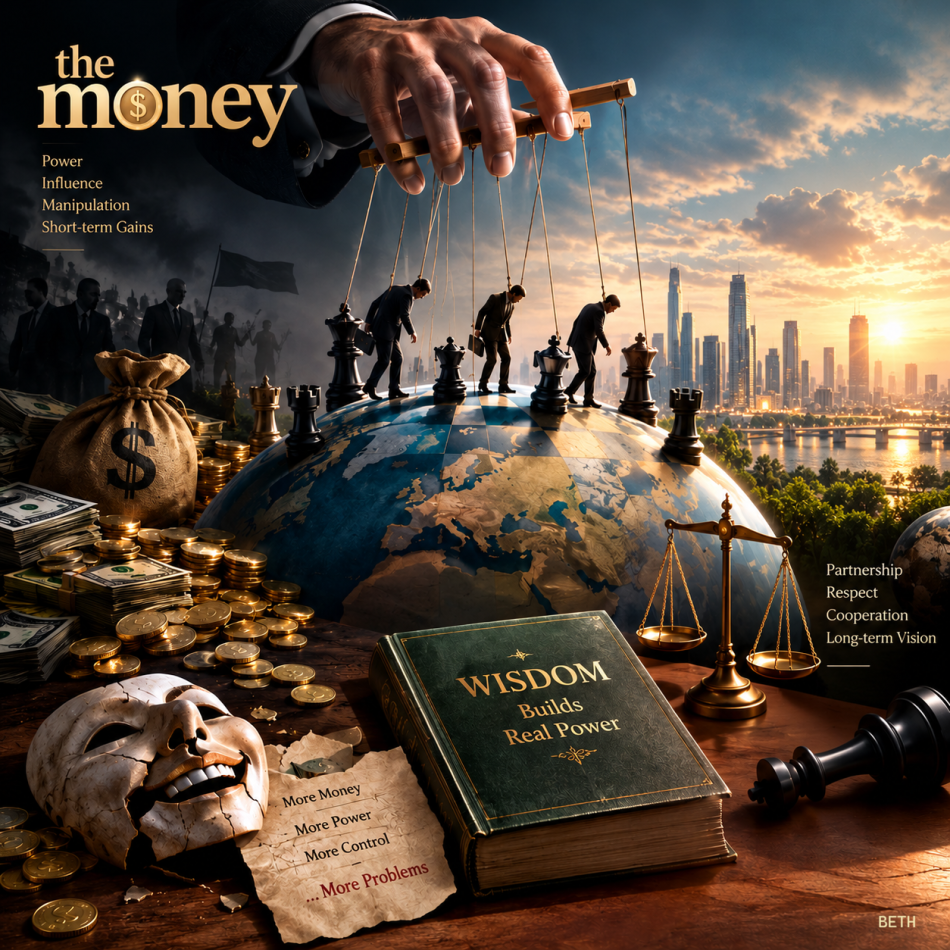
Day 163: Pressure Without Resolution
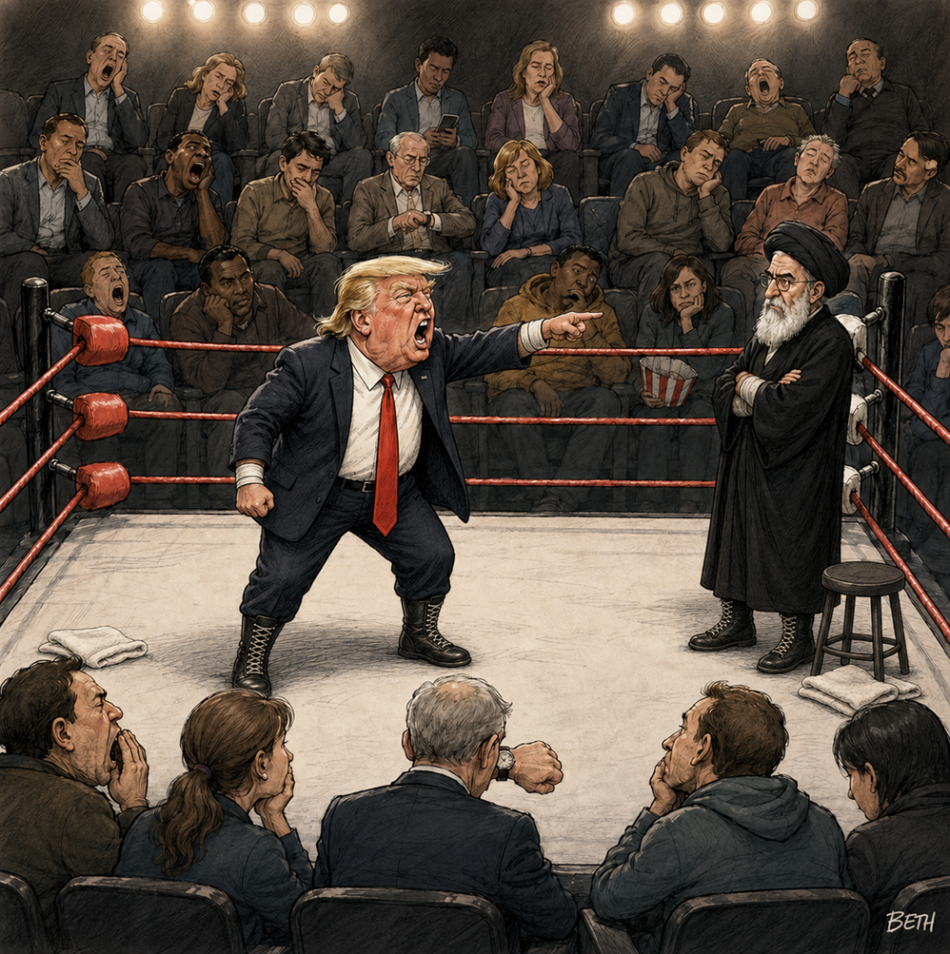
After 163 days of the U.S.-Israeli war with Iran, there are no visible steps leading toward either an imminent agreement or a broad military confrontation. Washington, however, is preparing for a longer blockade and harsher sanctions, while Tehran continues to hold on to its leverage over the Strait of Hormuz. Between the two, the crisis of trust is shifting from an obstacle to an agreement into a justification for prolonging the war.
Follow-up and Analysis | Strategic Media Department – BETH Agency
U.S. Vice President JD Vance said on Thursday evening that dealing with Iran was inherently unpredictable, accusing Tehran of making commitments that it failed to fulfill.
Vance said:
“They make a deal, then they do not honor it.”
He explained that the U.S. administration was deploying its diplomatic, military and economic tools in response to developments in the confrontation, whether the issue concerned military operations, Iran’s nuclear program or energy prices.
The significance of the statement lies not only in its accusation against Iran, but also in the American explanation it offers for the absence of a clear course: Washington does not want to bind itself to a single plan and reserves the right to move between negotiations, pressure and military threats according to Tehran’s conduct.
The Blockade May Continue
Alongside Vance’s statement, U.S. Secretary of Defense Pete Hegseth said American naval forces could maintain the blockade of Iranian ports “indefinitely” by rotating ships and forces deployed in the region.
Treasury Secretary Scott Bessent also announced that Washington was preparing unprecedented economic measures against Iran, describing the planned action as potentially the most severe form of economic isolation ever imposed on a country. Further details are expected to be announced next week. Reuters
The timing of these statements reveals a clear distribution of roles:
- Vance explains the difficulty of reaching an agreement.
- Hegseth confirms the ability to prolong the blockade.
- Bessent prepares the ground for a more severe economic squeeze.
This means that the United States is not declaring an end to diplomacy, but is preparing for a phase in which the war could continue without extensive bombing.
Hormuz Remains the Central Obstacle
Tehran, meanwhile, responded to President Donald Trump’s declaration of “total control” over the Strait of Hormuz by asserting that the waterway remained under Iranian control and that no vessel could pass without its authorization.
Iran also maintains that the restoration of normal shipping cannot precede the implementation of U.S. commitments, particularly the easing of the blockade on its ports and the release of frozen Iranian assets.
Washington, by contrast, demands that the strait be reopened first, with the remaining commitments to be implemented afterward.
The two sides therefore remain trapped in opposing sequences:
Washington wants Iranian implementation before providing the American concession, while Tehran wants the American concession before Iranian implementation.
Iranian sources say indirect contacts have made no progress toward reviving the interim agreement and that extending it is not currently under discussion.
Analysis
Vance’s statement does not close the door to an agreement, but it raises the conditions required for one.
By asserting that Iran does not honor its commitments, Washington is preparing to demand an agreement based not on promises, but on simultaneous implementation, on-the-ground verification, and the ability to reimpose sanctions or use force in the event of a violation.
Tehran, in turn, uses the same argument against the United States, accusing Washington of retreating from its previous commitments.
The problem has therefore become larger than the dispute over Hormuz or sanctions:
Each side demands that the other prove its good faith first, while retaining all of its own pressure tools.
It is therefore impossible to predict with complete certainty what will happen. The decision is not governed by one declared plan, but by a shifting balance involving the cost of the blockade, energy prices, shipping movements, domestic pressure and the outcome of mediation efforts.
What Comes Next?
The most likely developments over the coming days are:
First: Economic Escalation Before Military Strikes
Washington is likely to give the new sanctions and the naval blockade more time to produce a greater effect before returning to a broad air campaign.
Second: Continued Indirect Contacts
Mediation efforts will not stop, but their immediate objective will be a limited agreement on navigation rather than a comprehensive settlement covering the war, the nuclear program and sanctions.
Third: An Attempt to Build a Verifiable Agreement
A possible formula may be based on simultaneous steps: Iran allows a limited number of vessels to pass in exchange for a restricted U.S. economic measure, with the process expanding if both sides comply.
Fourth: A Growing Risk of Maritime Incidents
The longer the blockade continues, the greater the likelihood of a vessel being intercepted, an armed encounter occurring, or an energy facility being targeted. Any such incident could revive large-scale strikes without either side having made a prior political decision to resume the broader war.
Assessment
Washington does not appear to have decided to launch a major strike at present. It does, however, want to convince Iran that it can sustain the blockade and isolation for longer than Tehran can withstand them.
Iran cannot eliminate U.S. military superiority, but it remains capable of preventing Washington from turning that superiority into stable navigation or a political victory.
On its 163rd day, the war is not moving toward a clear conclusion, but toward a prolonged test: which will feel the pressure first—the Iranian economy under blockade, or the global economy under the strain of Hormuz and energy prices?
Unless a formula is established that makes implementation simultaneous and verifiable, negotiations will remain trapped in a cycle of accusations, and the sea will remain more likely than the mediators’ rooms to produce the next major development.