



Assad Sentenced to Death in Absentia
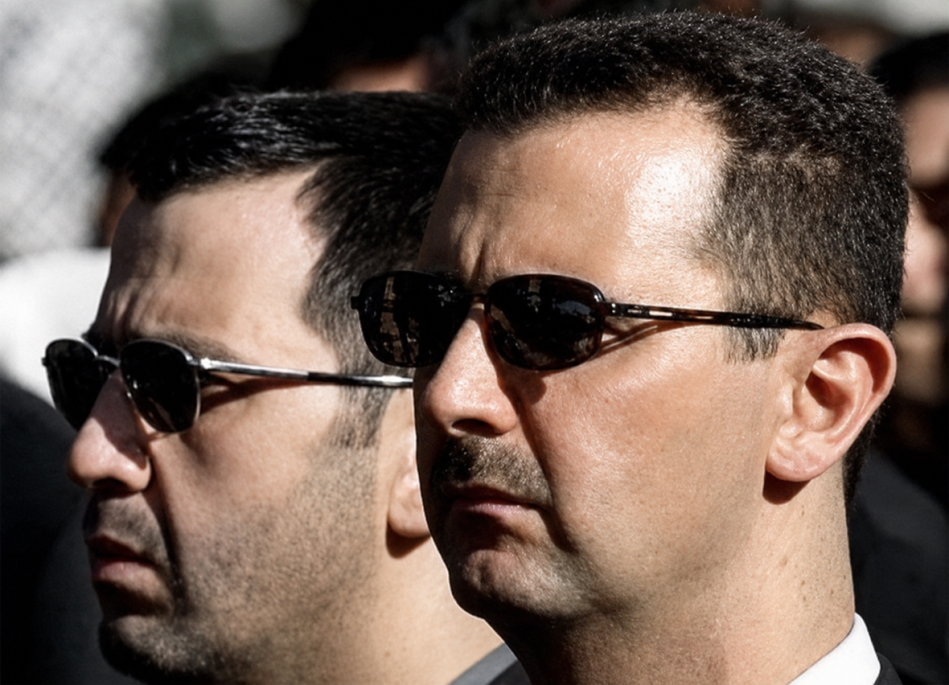
Syrian court convicts the ousted president, his brother Maher, Atef Najib, and seven former regime officials of murder, torture, and crimes against humanity
Damascus | BETH
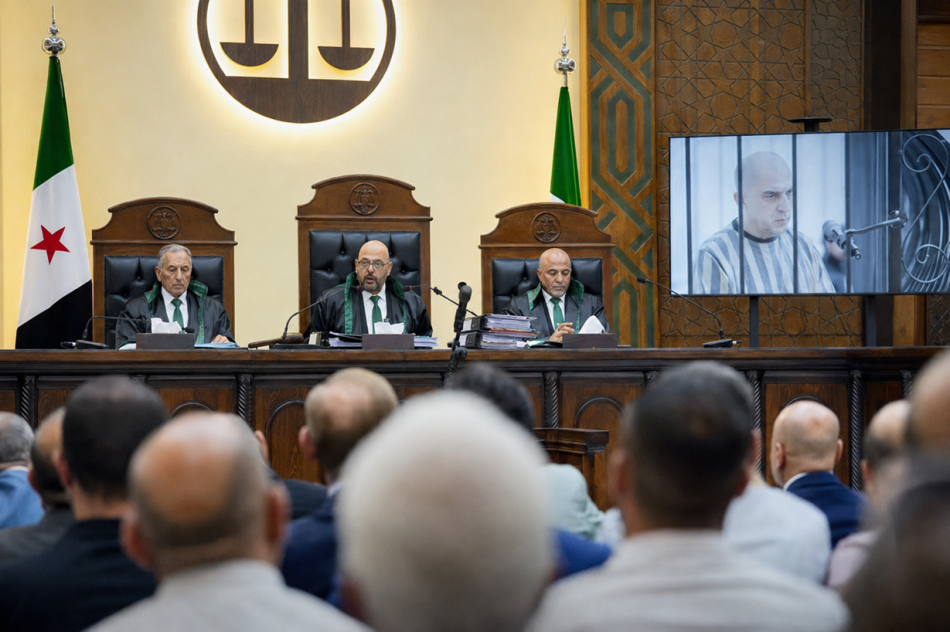
The Fourth Criminal Court in Damascus sentenced ousted Syrian President Bashar al-Assad, his brother Maher, former head of the Political Security Branch in Daraa Atef Najib, and several other former regime officials to death on Tuesday after convicting them of murder, torture, arbitrary detention, and crimes against humanity.
The ruling was issued in absentia against Bashar and Maher al-Assad and the other fugitives, while Atef Najib attended the trial, which ended with his conviction and death sentence.
The court said Bashar al-Assad had contributed to the crimes as the country’s highest decision-maker and had mobilized state institutions to carry them out. It convicted him of the intentional and premeditated murder of several people, including children, as well as torture, arbitrary detention, and crimes against humanity.
The court also convicted Maher al-Assad, the former commander of the Fourth Division, of intentional murder, torture, and incitement, and sentenced him to death in absentia.
Atef Najib was sentenced to death after being convicted of murder and torture during his tenure as head of the Political Security Branch in Daraa province, where protests against the former regime began in March 2011.
The court said investigations and witness testimony proved his involvement in interrogating detainees and leading the security campaign against civilians in Daraa, stressing that his denial of the charges was inconsistent with the evidence presented in the case.
In addition to Bashar al-Assad and Atef Najib, the ruling covered seven fugitives: Maher al-Assad, Fahd Jassem al-Freij, Mohammad Ayman Ayoush, Louay Ali al-Ali, Qusay Ibrahim Mayhoub, Wafiq Saleh Nasser, and Talal Fares al-Ismi. SANA
The court also ordered measures to pursue the fugitives internationally.
Background
The ruling represents the first Syrian judicial conviction of Bashar al-Assad and members of his senior circle since his regime fell in December 2024 and he fled with his family to Moscow.
Atef Najib’s trial began in April 2026, making him one of the most senior former regime officials to appear before the judiciary after its collapse. His case is linked to the events in Daraa, which began with the detention of children and the torture of protesters before the demonstrations developed into a nationwide uprising and a war that lasted nearly 14 years. Reuters
Enforcement of the sentences against Bashar and Maher al-Assad remains dependent on their arrest or extradition, while any response from Moscow to a Syrian request appears likely to be as much a political matter as a judicial one.
BETH Commentary
The significance of the ruling does not lie in the likelihood of its imminent enforcement, but in moving the former regime’s crimes from victims’ testimonies and political accusations into judicial rulings issued inside Syria.
Transitional justice, however, will not be measured solely by judgments against former regime figures. It will also depend on the judiciary’s ability to ensure fair trials, uncover the fate of the missing, deliver justice to victims, and hold those responsible for violations accountable, regardless of their positions.
The ruling cannot bring the victims back, but it prevents the crime from remaining unnamed and those responsible from remaining uncondemned.