



Israel – Iran (Day 7)
The Strike Widens… and the Most Dangerous Scenario Draws Closer
U.S. Weapons Arrive in Israel… and Heavy Airstrikes Pound Iran
BETH Analysis | Day 7 of the Confrontation
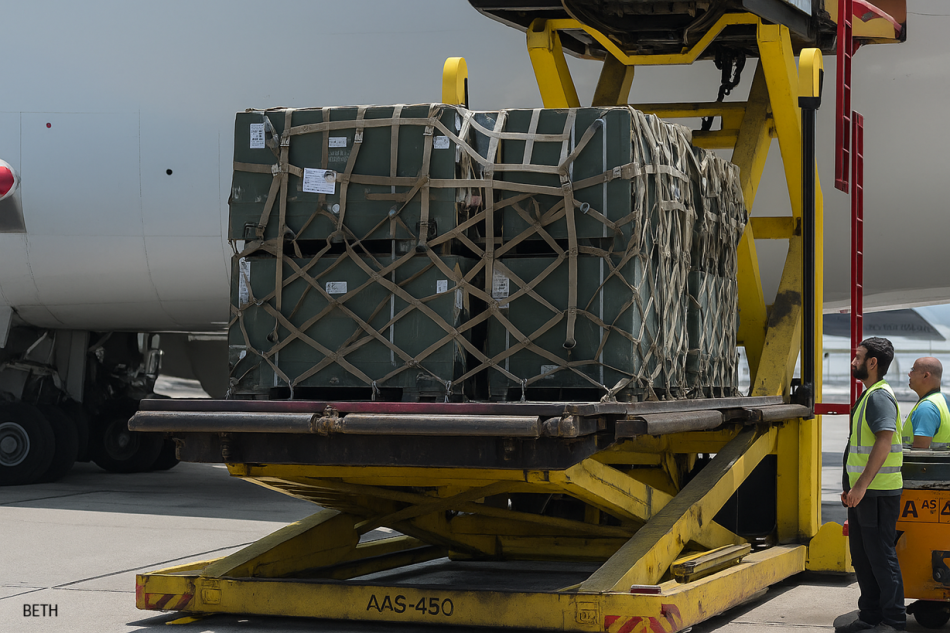
In a significant development, shipments of U.S. weapons arrived in Israel just moments ago, in a move broadcast live by Israeli television. The timing of this delivery sends a clear message to Tehran and its allies, as the confrontation between Israel and Iran enters its seventh day—a dangerous escalation that, according to some Western circles, may signal a "strategic turning point in the conflict."
🇮🇱 What’s Happening on the Ground?
Massive explosions rocked northern Israel, as Israeli military sources reported the detection of Iranian missile launch sites in Syria and Iraq. Meanwhile, Iran activated its air defense systems in eastern Tehran Thursday evening, as Israeli aircraft intensified their flights over the area.
The Israeli military announced that 20 fighter jets carried out a wave of airstrikes in western Iran, targeting surface-to-surface missile sites and Iranian military personnel, in what may be one of the largest strikes since the conflict began.
💣 The Message Behind the Strikes: Beyond Deterrence
While Tel Aviv claims its objective is to “dismantle Iran’s capabilities”, the nature of the targets suggests ambitions beyond mere deterrence. By striking engineering units and infrastructure used to build or conceal military assets, Israel aims to cripple Iran’s ability to recover—particularly in relation to its nuclear program.
This intent was underlined by Prime Minister Benjamin Netanyahu, who declared today:
“We’ve prepared surprises for the Iranians, and welcome any assistance to destroy their nuclear program.”
He also stated that former U.S. President Donald Trump supports the ongoing Israeli operations, adding further pressure on the Biden administration, which is already facing domestic and international calls to adopt a tougher stance.
🇺🇸 United States: Tactical Silence or Prelude to Action?
According to Israeli media, a U.S. decision to join the conflict militarily could come within 48 hours. The arrival of American military supplies today is widely seen as a precursor to a phased U.S. involvement—whether through expanded intelligence and logistical support, or targeted strikes under the pretext of “protecting regional interests.”
So far, the White House maintains official silence, amid concerns that the situation could spiral into a regional war, potentially drawing in Hezbollah, Iraqi militias, and even the Houthis in Yemen.
🇮🇷 Iran’s “Control of the Field”… or Mobilization Rhetoric?
The Iranian Parliament Speaker claimed today that “our forces are in control of the field,” echoing a tone of defiance. However, this could also reflect an internal mobilization narrative, as Iran faces intensified airstrikes and widening military pressure.
As of now, there are no clear field indications that Iran has shifted the balance of power. Tehran appears to be relying on a war of attrition, leveraging proxy forces across Iraq, Syria, and potentially Yemen to expand the scope of missile attacks on Israeli targets.
🧩 BETH Analysis: Why Now? The Timing of U.S. Shipments
The timing of U.S. arms deliveries to Israel carries several strategic implications:
Rapid replenishment for Israel amid heavy ammunition usage, preparing for a broader phase of conflict.
A calculated message to Iran, warning against widening the missile confrontation.
A U.S. signal of readiness, without a formal declaration—allowing escalation without immediate political backlash.
🎯 Where Is the Conflict Headed?
If the current pace continues, three possible scenarios are emerging:
Dual escalation (Israel + Iran, with limited U.S. involvement): potentially leading to a direct strike on Iranian nuclear facilities.
Expansion into a full-fledged proxy war, across Iraq, Syria, Lebanon, and Yemen.
International diplomatic pressure to freeze escalation in exchange for new behind-the-scenes nuclear arrangements.
Yet for now, no side seems willing to halt the game—on the contrary, everyone appears to be preparing for the next round.
📌 Conclusion:
The arrival of U.S. weapons in Israel is not a side detail—it’s a marker of a new phase, one that could shift the confrontation from reaction to initiative.
As for Iran, while remaining silent on the nuclear front, it may soon play an uncalculated card if it senses that the survival of its regime is at stake.