

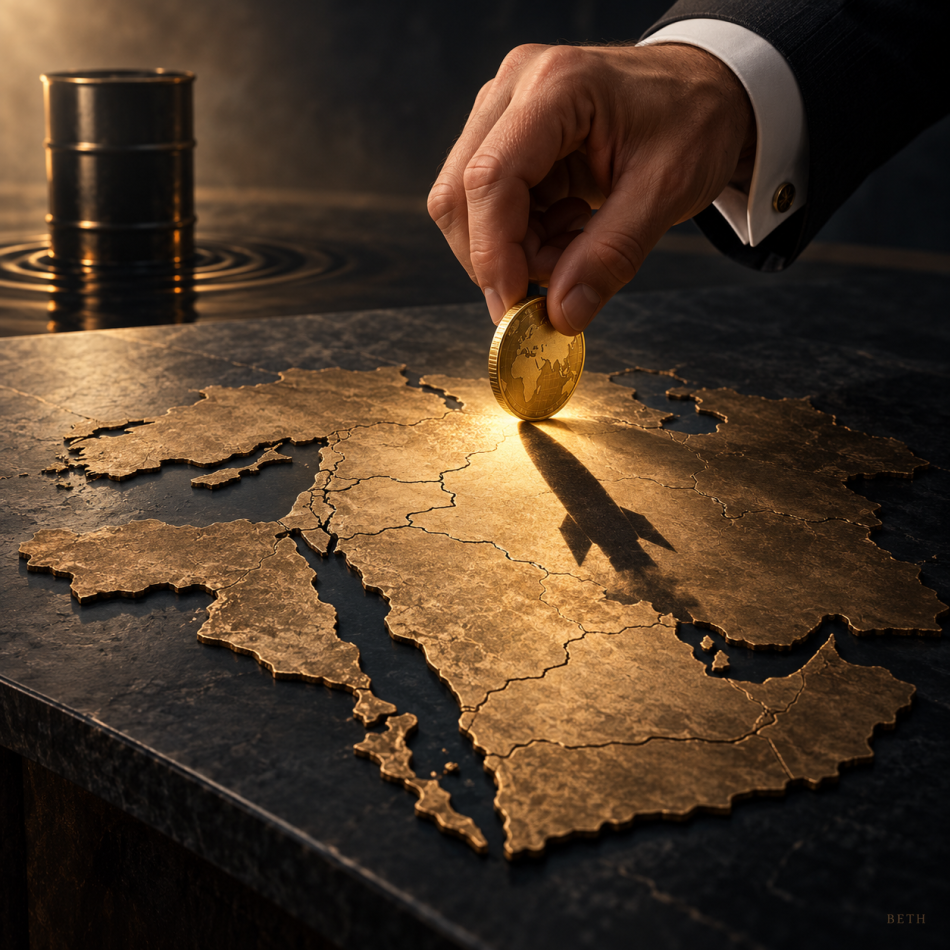

Houthi Missiles Threaten the Two Holy Mosques
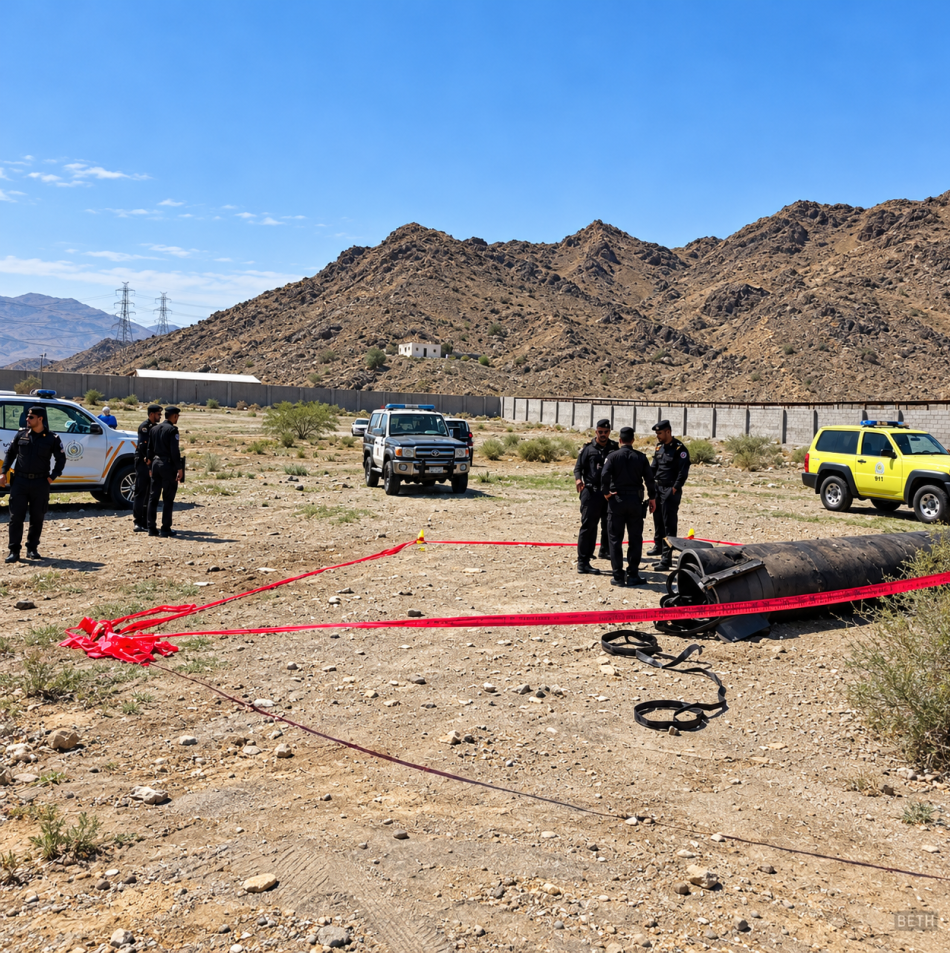
Saudi air defenses intercept two missiles heading toward Taif and Yanbu, with missile fragments falling near the holy sites; repeated attacks bring the responsibility of protecting the Two Holy Mosques and civilian security back to the forefront.
Riyadh | October 24, 2026
Prepared and Analyzed by | Strategic Media Department – BETH News Agency
Houthi missile attacks on western Saudi Arabia on Saturday brought the threats surrounding the Two Holy Mosques back to the forefront, after Saudi air defenses intercepted two ballistic missiles launched toward the regions of Makkah and Madinah, with fragments falling near the holy sites and other locations.
Major General Turki Al-Maliki, spokesperson for the Coalition to Support Legitimacy in Yemen, announced the interception and destruction of the two missiles launched by the Houthi militia toward the Makkah and Madinah regions.
Civil Defense authorities explained that the interception of one of the missiles resulted in fragments falling in Wadi Al-Mughammis in the Holy City of Makkah.
The fall of missile fragments in Wadi Al-Mughammis is particularly significant because of its proximity to the holy sites, as it lies adjacent to the area of Arafat and a short distance from the Grand Mosque.
A Recurring Pattern
This is not the first time the Makkah region has faced threats from Houthi missiles.
In October 2016, Saudi air defenses intercepted a ballistic missile heading toward Makkah. In July 2017, they intercepted another missile over the Al-Wasiliyah area of Taif, 69 kilometers from the Holy City of Makkah, shortly before the Hajj season.
These attacks triggered widespread condemnation across the Islamic world and prompted the Organization of Islamic Cooperation to convene an emergency ministerial meeting in November 2016. The meeting condemned the targeting of Makkah and called for preventing further attacks and holding accountable those supplying the Houthis with missiles and military support.
These precedents reveal the continued threat posed by ballistic weapons to the holy areas, despite the success of Saudi air defenses in intercepting them.
An Inherent Saudi Responsibility
The House has a Lord who protects it. Allah has honored the Kingdom of Saudi Arabia with the responsibility of protecting and defending the Two Holy Mosques, a responsibility it fulfills by relying on Allah and then on its advanced military and defense capabilities.
This is a renewed Saudi commitment, under which the Kingdom has made the protection of the Two Holy Mosques and the security of their visitors an unwavering responsibility, dedicating its military and security resources to that mission.
The Kingdom does not stand alone in this responsibility. Previous positions expressed by Islamic countries have affirmed solidarity with Saudi Arabia in protecting the holy sites and readiness to support its efforts in confronting attacks, based on a shared Islamic responsibility.
The Kingdom remains the sole authority in deciding whether to request any support and in determining the nature of cooperation that strengthens its defensive capabilities and safeguards the security of the Two Holy Mosques.
A Test for the International Community
The attacks place the international community before a responsibility that goes beyond condemnation and requires practical steps to prevent further attacks.
International humanitarian law prohibits the targeting of civilians and civilian objects and obliges parties to conflicts to distinguish between military and civilian targets and to take the necessary precautions to protect the population.
The repeated attacks also raise questions about the sources of Houthi missiles, the routes through which the group receives them, and the effectiveness of international measures to prevent the flow of weapons used to threaten cities and holy areas.
This responsibility takes on particular significance in light of Arab and Islamic positions that have regarded attacks on Makkah as violations of the sanctity of the holy sites and an affront to the feelings of Muslims around the world.
Beyond the Two Missiles
Why do the Houthis launch their missiles toward areas containing Islam's holiest sites? And what do they seek to achieve by exposing them to danger?
It is difficult to explain these attacks as merely an attempt to test Saudi air defenses, which have demonstrated their ability to intercept missiles across various regions of the Kingdom. The choice of this particular geographical area raises questions that go beyond conventional military objectives.
The seriousness of the attack lies not in where the missile debris fell after interception, but in the launch of a guided ballistic weapon toward a geographical area containing Islam's holiest sites. Saudi air defenses prevented it from completing its trajectory, but the successful interception does not diminish the gravity of the attack or the responsibility of those who launched it.
A political hypothesis deserves attention here: Are these attacks intended to provoke Saudi Arabia and the Islamic world and push the confrontation toward an extremely sensitive religious and political level? The nature of the area exposed to danger makes this possibility worthy of analysis, although establishing such intent requires additional evidence.
And Who Is Behind the Decision?
Saudi official statements confirm the Houthis' responsibility for launching the two missiles. However, the group relies on Iranian military support that has contributed to developing and strengthening its missile capabilities.
This highlights the Houthis' responsibility for carrying out the attack and Iran's role in supporting the military capabilities of the terrorist militia.
The irony is that the Houthi militia, with Iran behind it, raises slogans about defending Muslim causes while using weapons that endanger the Kingdom, which is home to Islam's holiest sites.
The question that remains beyond the two missiles is: Who benefits from exposing Islam's holy sites to a danger that could ignite a wider confrontation and provoke the feelings of Muslims around the world?