
If War Disappeared from Our Screens

How do we show people what is happening without showing them the whole world through the barrel of a gun?
And who writes the story of war, and who passes it on?
By Abdullah Al-Omairah
We placed a cargo ship in front of the towers of the King Abdullah Financial District in an image for The World Today. We meant to bring two stories together. Then we realized that someone seeing the image for the first time might ask a question that hadn’t occurred to us while we were designing it: Since when does Riyadh have a coastline?
We realized that most readers might take the scene at face value and miss the symbolism. So we replaced the image.
All it took was a diagonal line between the two scenes. Riyadh stayed where it was, and the ship stayed out at sea. At a glance, readers could now see two places brought together by the report.
That is one of the challenges of communicating with an audience and shaping public opinion. We know the story before we write it. Readers start with whatever we put in front of them. They may read only the headline or catch a glimpse of the image while scrolling on their phones. Some will recognize the symbolism. Others will take the scene literally. We write for all of them. How do we make the meaning clear at a glance and give those who read on a deeper understanding?
The stakes are higher when we cover war. A viewer may see a missile being launched, only for the clip to end before they learn what happened to the people where it landed. Those few seconds may be all they ever know about the incident.
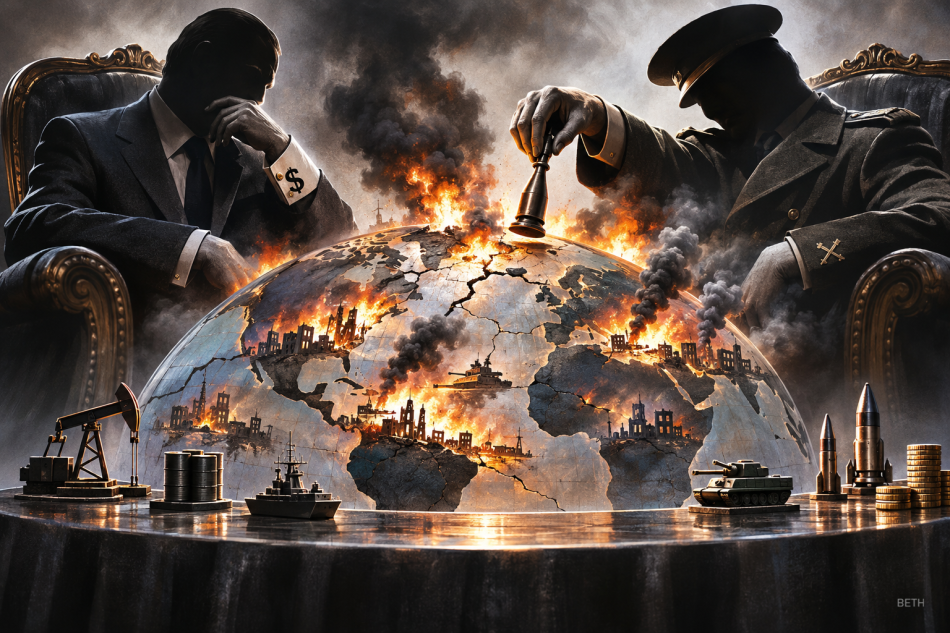
If television, radio, newspapers and news agencies stopped reporting on wars, the wars would go on, and the public would lose witnesses to what was happening. Who would tell us about a family that lost its home, a city cut off from its water supply, or a decision that prolonged the fighting and could have been reconsidered?
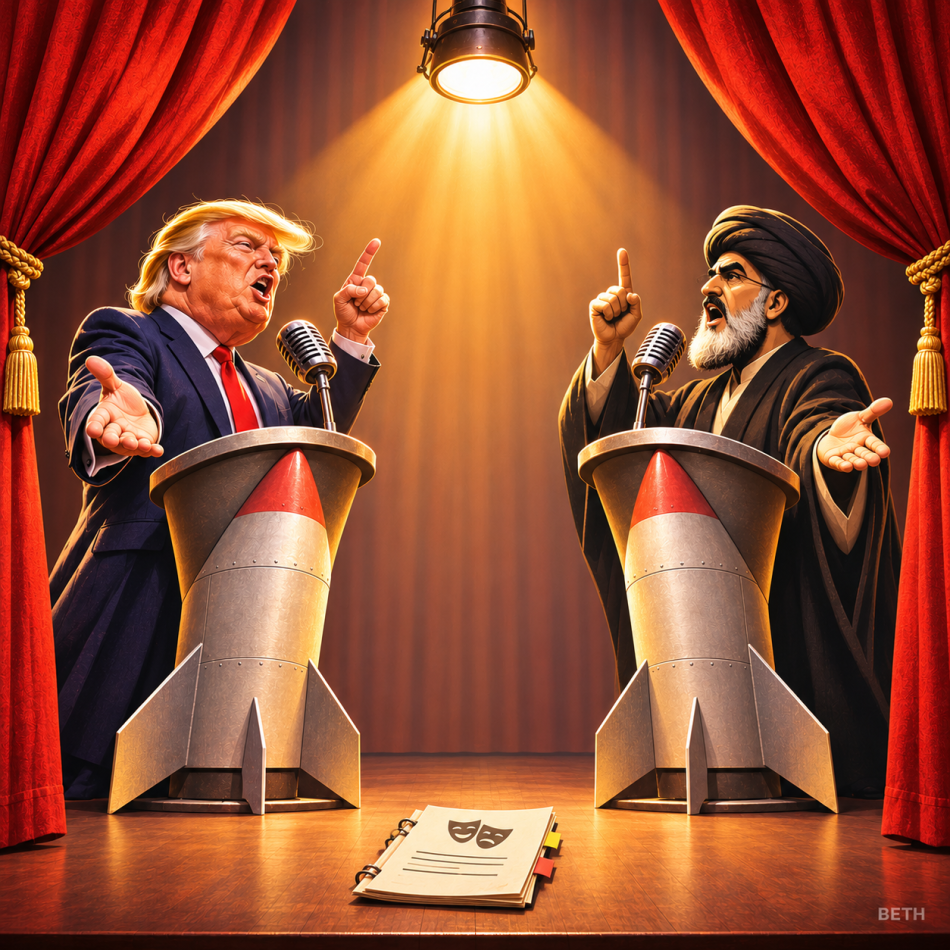
What if war remained in the news and the propaganda disappeared?
Imagine a news bulletin showing footage of a missile launch for as long as viewers need to understand what happened. The time it would have spent replaying the footage could go toward explaining what happened next. Was a port shut down? What happened to the people who work there? Who can reopen it?
An arms manufacturer wants the public to see what its weapon can do. The war enthusiast waits for the next clip. The family waiting for its sons and daughters to come home has other questions. When we give the launch minutes of airtime and reduce what happened to people afterward to a single line, we have already chosen which story will stay with the viewer.
I know that every media outlet has its own remit. A news channel covers wars and disasters as part of its work. A documentary channel covers science, nature, history and exploration. Producing that kind of work takes someone who knows the subject and understands the craft of presenting it. There are also general-interest and entertainment channels, as well as social media platforms. In war reporting, the same question keeps coming back: Who prepared the material that reached the public, and who decided how to present it?
Some outlets carry stories crafted to serve governments whose doctrine is war and who have no ear for the language of peace, to promote arms manufacturers, and to serve leaders who know how to start wars and have no idea how to put out the fires they set. Terrorist organizations also benefit when that coverage amplifies the impact of their crimes.
When a story drafted by a party to the war reaches a newsroom, it can run with the original headline, images and framing. It then circulates on screens and in print until it becomes familiar. More astonishing still is that a broadcaster or newspaper can pay a news agency for its service and end up publishing a fabricated story or staged propaganda. The question for the editor is simple. What did we verify before we put our name on it?
BETH News Agency was founded in January 2013 and launched by the then Minister of Information, Dr. Abdulaziz Khoja. Among the questions he asked me was whether we had a network of correspondents.
I told him we had begun building a network to cover key centers of political decision-making and places where events were unfolding. We would also cover economics, science and society. I listed the places where we had correspondents at the time and mentioned that BETH had four in Israel.
I noticed his surprise. I took it as the reaction of someone who knew the media business and understood how bold that decision was. Before he could ask, I told him we were tired of relying on what foreign news agencies reported. I wanted us to report from the ground and write our own news and features based on what our correspondents saw and heard.
A correspondent on the ground can ask about what the statement left out, listen to people who lived through what happened, and return the next day to see what followed after the cameras had gone. On the same street where they reported the effects of war, they can cover people returning to work and shops reopening. Each of those developments is a story in its own right, with questions of its own.
In fairness, Dr. Abdulaziz Khoja was the only minister who followed BETH’s work, asked how we were doing, and personally gave us his encouragement and moral support. Years have passed since he left the ministry, and we are still waiting for someone to ask us the second question.
What amazes me is that some ministers act as though every new minister must launch a channel or media outlet that bears their stamp. When they inherit one launched under a predecessor, the question that takes precedence is Who gets the credit for launching it? The question that falls away is Who will get the credit for developing it?
No problem. We’re used to it.
Mindsets shape decisions elsewhere, too. In a conversation with Mathias Döpfner, Jared Kushner urged Israel to move away from a permanent wartime mindset and focus on economic diplomacy. He cited Saudi Arabia and the United Arab Emirates, pointing to the business leaders who join their visits to Washington and the deals signed during those visits. In Gaza, the first test of that call lies in the questions people there are asking. When will the killing stop? When will displaced people return? And when will rebuilding begin?
Peace has stories that deserve just as much journalistic effort. A road reopens between two countries. An agreement allows fishermen to return to sea. Two countries work together on a water project. How many hours does the road save? How many families have regained their income? When will the water reach the people who need it? These questions help readers understand what international cooperation has changed in people’s lives.
In the Riyadh image, the diagonal line was a choice we made before publishing. In the newsroom, we make a similar choice each time we write a headline, give prominence to one account, or replay footage of a missile launch.
Before we replay that footage, let’s ask ourselves three questions. Who wrote the story that goes with it? What will viewers learn from seeing it again? And what might they have learned if we had given those seconds to someone who lived through its aftermath?