



Day 138 🇺🇸⚔️🇮🇷: Who Controls Hormuz?
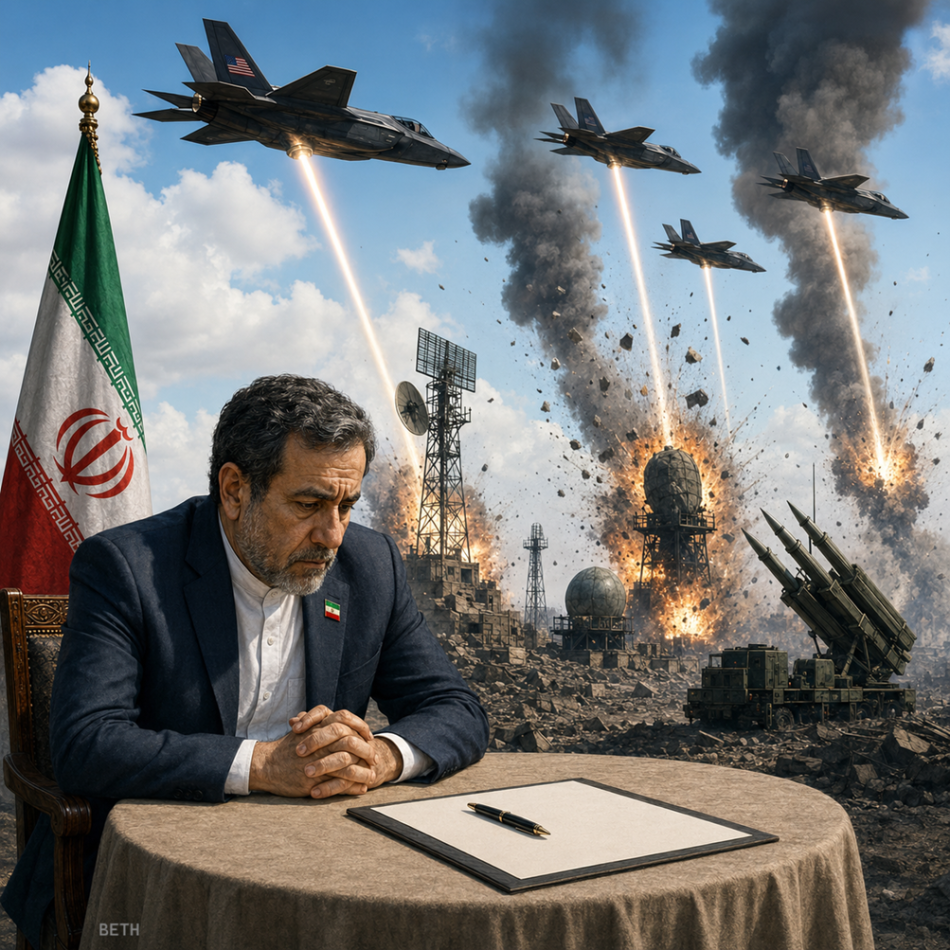
Nine nights of strikes.. Washington declares control over the strait, while Tehran negotiates under fire
Bth | B
The United States completed its ninth consecutive night of airstrikes inside Iran, expanding the scope of its targets to include the command, surveillance, and defense system linked to the Iranian coast and the Strait of Hormuz.
While Iran is being subjected to American strikes inside its territory, Tehran continues to send missiles and drones toward Bahrain and Kuwait, in an attempt to target what it believes to be the American military presence and to transfer the cost of the confrontation to the Gulf states.
The U.S. Central Command, CENTCOM, said the strikes targeted military command centers, air defense and coastal surveillance sites, naval capabilities, missile and drone launch platforms, as well as communications networks.
It explained that the operations aim to undermine Iran’s ability to attack commercial vessels and civilian sailors in the Strait of Hormuz, indicating that the campaign is no longer limited to intercepting Iranian attacks, but is moving toward disabling the infrastructure that enables Tehran to monitor the strait and threaten navigation within it.
U.S. President Donald Trump confirmed that the latest strikes were carried out in response to the deaths of American service members in the region, once again linking the operations to holding the Iranian forces responsible for targeting them accountable.
In a notable statement, Trump declared that the United States controls the Strait of Hormuz, saying: “We control the strait. They don’t control anything. So we’ll see what happens.”
The statement represents a shift in American rhetoric from pledging to protect navigation to declaring control over the world’s most important energy passage, without Washington having yet clarified the limits of this control or the military and legal grounds on which it is based.
In the same context, U.S. Secretary of State Marco Rubio said that parties inside Iran are attempting to use the strait as leverage against the world, stressing that the United States will continue taking the necessary measures to protect shipping.
Rubio called on other countries to provide more equipment and financial support to participate in securing navigation, indicating that Washington does not want to bear the cost of protecting Hormuz alone.
Despite the escalation of military operations, Rubio confirmed that the door to diplomacy had not been closed, but stipulated that negotiations must lead to a genuine agreement to which Iran would adhere.
In return, Tehran announced that exchanges with Washington through intermediaries were continuing despite the ongoing strikes, revealing that the two sides are waging war and negotiating at the same time.
Analysis
The War on Iran’s Eyes
The targets struck on the ninth night reveal that the United States is attempting to seize operational control of the Strait of Hormuz, rather than merely punish Iran.
Control of the strait begins with command centers, radars, coastal surveillance, and communications, and ends with boats and missile and drone launch platforms.
Striking all these elements together means that Washington is targeting Iran’s “eyes, ears, and hands” along the coast:
By disabling radars, Tehran’s ability to detect ships is weakened. By cutting communications, coordinating attacks becomes more difficult. By striking launch platforms, its ability to turn information into a missile or drone is reduced.
It is an attempt to remove Iran militarily from the strait, even if it remains geographically overlooking it.
The Test of Control
Trump’s declaration that the United States controls Hormuz places Washington before a direct test.
Control is not measured by the number of American ships and aircraft in the region, but by the ability to keep navigation safe and stable and prevent Iran from disrupting it.
Any successful attack on a tanker or commercial vessel would test the credibility of the American declaration. Likewise, persistently high insurance costs could leave the strait open militarily but almost closed economically.
Shipping companies do not look only at the balance of power; they also consider the possibility of ships being hit, the safety of their crews, insurance costs, and naval escort expenses.
Iran, therefore, does not need to close the strait completely. It may be enough for it to keep the threat alive to raise the cost of energy and global trade.
Why Bahrain and Kuwait?
The repeated Iranian attacks on Bahrain and Kuwait reveal that Tehran is attempting to circumvent American superiority at sea by targeting Washington’s allies.
But this course weakens Iran’s political position.
Every missile or drone that enters the airspace of a Gulf state—even if Iran declares that its target is an American base—threatens that country’s sovereignty, population, and facilities.
Instead of pushing the Gulf states to pressure Washington to stop the war, the Iranian attacks may drive them toward greater military coordination with it.
Distributing the Cost of Hormuz
Rubio’s call for other countries to provide equipment and funding carries a clear message: Hormuz is a global passage, and its protection should therefore not remain solely an American responsibility.
Directing this call ahead of the ASEAN meeting is no coincidence. Asian economies are among those most affected by disruptions to oil and gas flows and rising shipping costs.
The call may lead to broader international participation in protecting navigation, but it could simultaneously increase the number of countries involved in confronting Iran and transform the crisis from an American-Iranian war into an international security issue.
Negotiating Under Bombardment
The continuation of communications does not mean that a settlement is approaching; rather, it reflects an attempt to impose terms.
Washington negotiates with its ability to destroy Iran’s military infrastructure, while Tehran negotiates with its ability to threaten the strait, raise energy costs, and disrupt the Gulf states.
Inside Iran, hardliners are betting that escalating pressure in Hormuz will compel the world to intervene, while pragmatists fear that doing so will give Washington justification to continue destroying what remains of Iran’s capabilities and isolating the country.
Here lies the paradox:
Hormuz is Tehran’s strongest card, but excessive use of it may lead to that card being taken away.
Conclusion
On Day 138, the battle has become one over who possesses the ability to impose reality inside the Strait of Hormuz.
Washington declares control and strikes Iranian command centers, radars, communications networks, and launch platforms to prove it.
Tehran threatens navigation and continues sending its missiles and drones toward the Gulf states and Jordan to demonstrate that it remains capable of expanding the cost of the war.
After nine nights of airstrikes, war is no longer separate from diplomacy: the strikes have become its language, the Strait of Hormuz has become its negotiating table, and the Gulf states continue to bear the cost of a conflict they did not choose.
Strikes and Talks Continue
A U.S. official said Monday evening that the United States’ “devastating” strikes on Iran would continue alongside ongoing talks unless President Donald Trump decides otherwise.
The statement confirms that Washington does not separate the military and diplomatic tracks, but uses them simultaneously: the strikes increase the cost of rejection, while the talks keep the door to de-escalation open.
Analysis
The decision is no longer linked solely to developments on the battlefield or at the negotiating table, but to Trump’s assessment of when continued pressure becomes more beneficial than ending it. The United States is negotiating under fire, leaving the President alone to determine when to move from coercion to agreement.