



Hajj Without Outbreaks
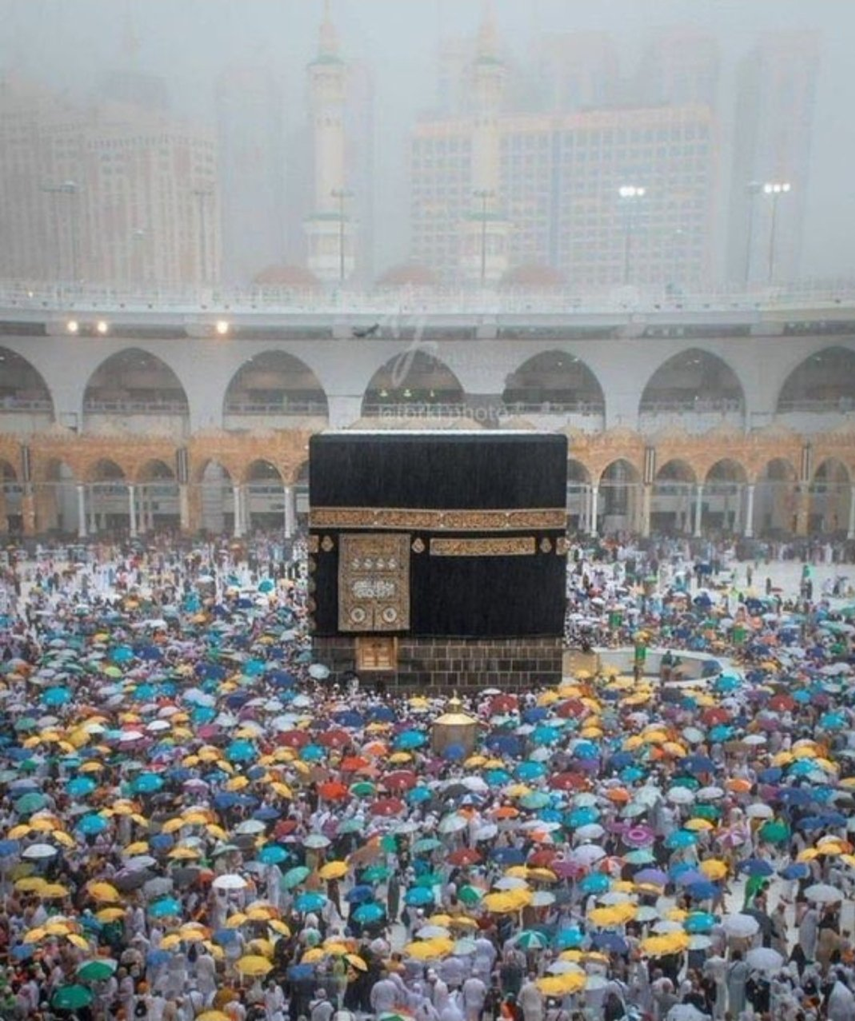
How Did Saudi Arabia Protect 1.7 Million Pilgrims Amid Global Health Challenges?
Riyadh | B | بث
Saudi Arabia’s Ministry of Health has announced that the 1447 AH Hajj season was free of any epidemic outbreaks or public health threats, confirming that the overall health condition of pilgrims remained stable throughout the season despite concurrent global health challenges, including Ebola outbreaks in several countries and internationally reported cases linked to the Hantavirus.
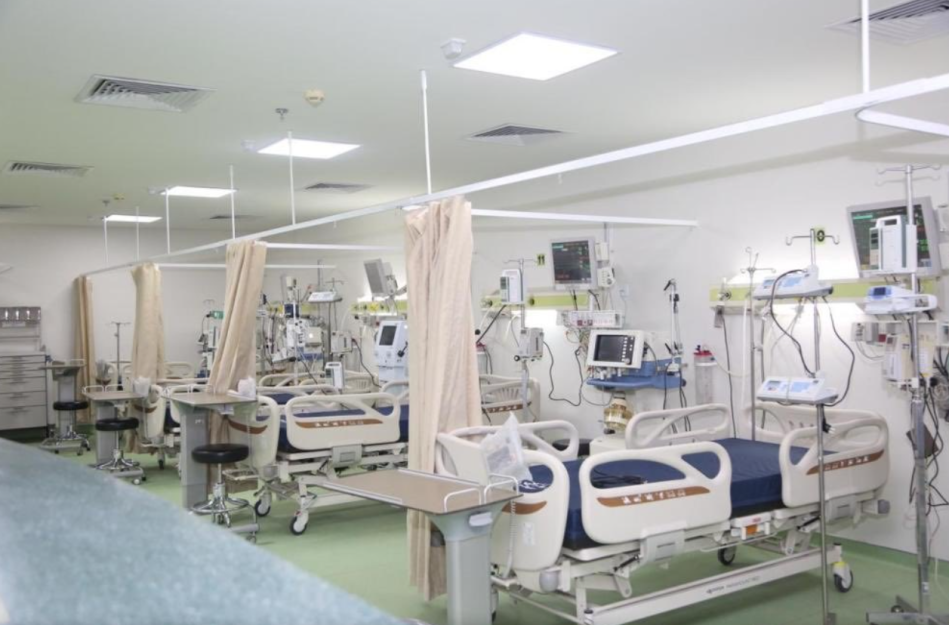
The ministry explained that the healthcare system operated around the clock, providing integrated preventive, therapeutic, emergency, and awareness services, alongside epidemiological surveillance, rapid response mechanisms, and continuous coordination with government entities participating in Hajj operations.
It also confirmed that, praise be to God, no suspected or confirmed cases of epidemic diseases affecting public health—including Ebola and Hantavirus—were detected among pilgrims during the season.
B Analysis
When a Hajj season involving 1.7 million pilgrims is declared free of epidemic outbreaks, the story is not merely about healthcare.
It is about one of the most complex risk-management operations in the world.
Pilgrims arrived from dozens of countries and continents at a time when the world was facing simultaneous health challenges and concerns over cross-border diseases.
For this reason, health-sector success cannot be measured simply by the number of hospitals or physicians.
It must be measured by the ability of the system to ensure:
- Early detection.
- Epidemiological surveillance.
- Rapid response.
- Information sharing.
- Coordination among multiple agencies.
From Reaction to Prevention
One of the most notable aspects of the modern Saudi Hajj model is that health management is no longer based solely on responding to cases after they occur.
Instead, it increasingly focuses on anticipating risks before they emerge.
This transformation reflects the use of:
- Data.
- Artificial intelligence.
- Health-monitoring systems.
- International coordination.
All within a unified framework that operates before pilgrims arrive, during their stay, and after their departure.
More Than a Hajj Season
This year's health success represents more than a medical achievement.
It reflects the Kingdom's ability to manage a highly complex global gathering at a time when epidemics and health crises spread faster than ever before.
The story of Hajj health management is therefore not merely a story of the absence of disease.
It is a story of preparedness, anticipation, and planning, adding another chapter to the organizational and operational successes achieved during the 1447 AH Hajj season.
Final Scene
In a world still dealing with the consequences of recurring health crises, the real challenge was not treating disease.
It was preventing its emergence and spread in the first place.
That is where the true value of this achievement lies.
The health success of Hajj does not only mean protecting the Guests of Allah.
It also represents a contribution to safeguarding global public health.
__________