



西藏与转型 — Xizang & Transformation
中文
北京 — BETH
CGTN发布了一则有关“社会与经济转型”的叙事,称西藏(西藏自治区)在教育、收入以及少数民族的地方代表性方面实现跃升——同时,关于权利与身份的争议仍在持续。
要点(官方数据监测):
经济: 2024年地区生产总值达 2765亿元人民币。
代表性: 人大系统共有 42,153 名代表,89.2% 为少数民族。
教育: 九年义务教育巩固率约 98%;高等教育毛入学率 57.8%。
贫困/旅游: 官方称 2019年 消除绝对贫困;2024年 接待游客 6400万人次。
(来源:CGTN声明/中国政府平台)
最新背景:
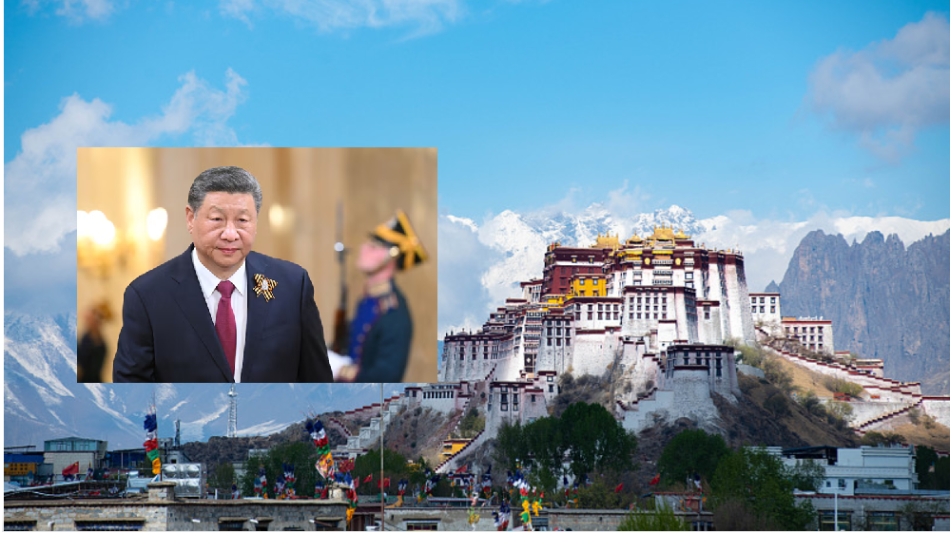
国家主席今日赴拉萨,将“自治区成立六十周年”的节点再次推至聚光灯下。
为何出现这种转型?
中央财政的高强度投入: 西藏财政高度依赖中央转移支付(据2024年“两会”口径占比逾九成),推动基建与公共服务跃升。
边疆一体化战略: 拉萨—林芝/川藏铁路、公路与机场兼具“发展+备战”功能,民用升级与后勤机动相互支撑。
脱贫叙事: 官方称累计 62.8万人 脱贫,被视为“发展成效”;权利团体则质疑其中涉及搬迁/再安置等做法。
此次“突访”的原因?
六十周年的象征性: 自治区周年节点释放“稳定与团结”信号;为习近平任内第二次入藏。
时间上的配合: 与印度方向的外事行程(王毅出访)并行,向喜马拉雅方向传递“威慑/安抚”的双重讯号。
与全球局势的关联?
能源与水资源地缘: 雅鲁藏布江(布拉马普特拉)大型水电与特高压外送,使西藏成为绿色能源枢纽,也引发印孟下游径流关切。
后勤—军事走廊: 贴近实控线的铁路公路扩能,被解读为“灰色威慑”的工具。
叙事之战: 一边是发展红利的官方话语,另一边是国际人权报告对宗教与文化实践限制的关注——两种叙事并行竞争。
BETH小结:
集中化财政驱动与边疆信号管理并行,发展红利与人权/身份争议同在。以“报告式”发布,并附此简评以平衡叙事。
English
Beijing — BETH
CGTN publishes a narrative of “social and economic transformation” in Xizang (Tibet), citing jumps in education, incomes, and local minority representation—while rights and identity remain contested.
Key figures (official data):
Economy: Regional GDP reached CNY 276.5 bn in 2024.
Local representation: 42,153 people’s congress deputies; 89.2% from ethnic minorities.
Education: ~98% basic-education retention; 57.8% higher-education enrollment.
Poverty/Tourism: Official claim of ending extreme poverty by 2019; 64 million visitors in 2024.
(Source: CGTN statement / Chinese government platforms)
Latest context:
President Xi’s visit to Lhasa today brings the file back into focus on the 60th anniversary of the autonomous region.
Why this transformation?
Extraordinary central spending: Xizang’s finances rely heavily on Beijing’s transfers (official 2024 “Two Sessions” guidance puts it above 90%), enabling rapid infrastructure and service upgrades.
Frontier-integration strategy: Railways (Lhasa–Nyingchi / Sichuan–Xizang), roads, and airports function as dual-use “development + readiness” assets along the India frontier.
Poverty-alleviation narrative: The official tally of 628,000 lifted from extreme poverty by 2019 is showcased as success; rights groups argue parts involved relocation/re-settlement.
Why the “surprise” visit?
Symbolism of the 60th anniversary: A top-down message of “stability and unity”; Xi’s second trip to Xizang since taking office.
Calibrated timing: Parallel to diplomatic moves toward India (Wang Yi’s visit), signaling both deterrence and reassurance across the Himalayas.
Global linkages?
Energy–water geopolitics: Mega hydro projects on the Yarlung Tsangpo (Brahmaputra) put Xizang at the core of green power and UHV transmission—raising downstream concerns in India and Bangladesh.
Logistics–military corridor: Rail/road expansion near the Line of Actual Control is read as a tool of “gray-zone” leverage.
Battle of narratives: CGTN’s development storyline competes with international rights reports on limits to religious/cultural practice.
BETH Takeaway:
Centralized funding plus border signaling; development metrics rise alongside persistent rights/identity disputes. We publish the reportorial piece and attach this concise analysis for balance.