

Ithra Documents the Beginnings of Saudi Art
An Exhibition Revisits the Nation's Artistic Memory and Explores the Roots of Saudi Visual Art
Dhahran – BETH | B
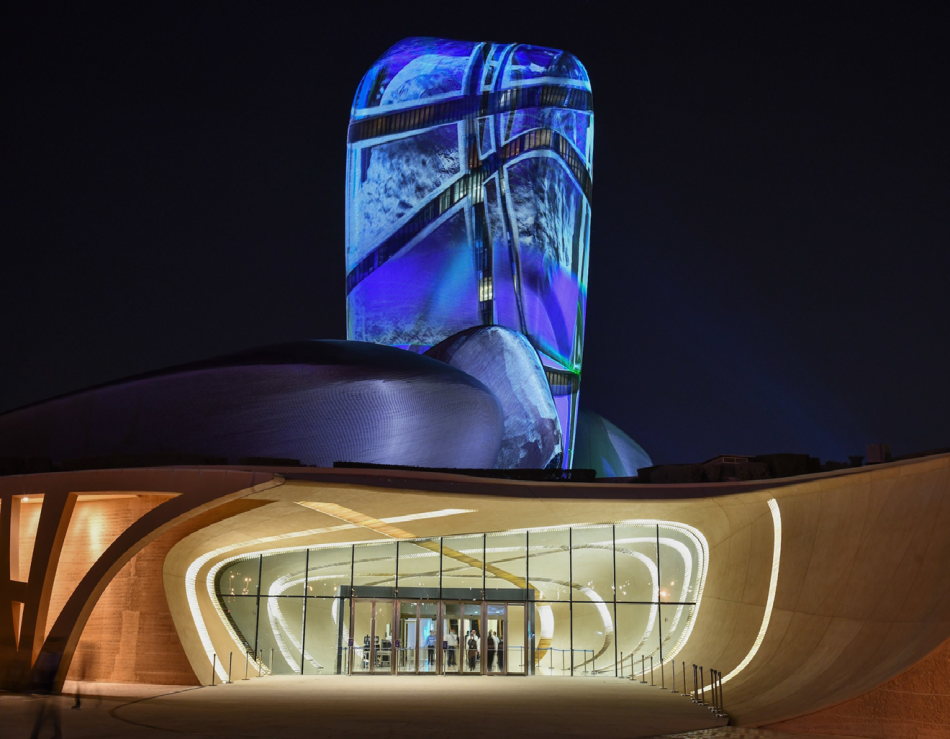
The King Abdulaziz Center for World Culture (Ithra), in collaboration with the Visual Arts Commission, is hosting the exhibition "Beginnings: The Origins of the Saudi Art Movement" from July 13 to November 7, 2026, in a documentary experience that traces the emergence of the modern Saudi art movement from the 1960s through the 1980s.
The exhibition features more than 150 artworks created by 68 Saudi artists, alongside more than 200 archival materials and multimedia presentations documenting the evolution of artistic practices and the pioneering role of early Saudi artists in shaping the Kingdom's visual arts scene through their engagement with local heritage, social and economic transformations, and global artistic movements.
The exhibition is accompanied by a cultural program that includes panel discussions, workshops, and specialized training sessions featuring artists, researchers, and experts, with the aim of deepening visitors' understanding of the formative stages of Saudi Arabia's artistic movement.
The exhibition also represents an extension of the edition held earlier this year at the National Museum in Riyadh, as part of the collaboration between the Visual Arts Commission and Ithra to make this research-based cultural content accessible to a wider audience.
BETH Analysis
The significance of this exhibition lies not merely in presenting historical works of art, but in reconstructing Saudi Arabia's visual memory.
Art is not simply an aesthetic product.
It is a historical record that documents how society viewed people, cities, identity, and its surrounding environment across different periods.
From this perspective, documenting the beginnings of the Saudi art movement goes beyond preserving paintings.
It preserves the cultural context in which they were created and reconnects new generations with the roots of Saudi Arabia's artistic heritage.
The exhibition also reflects a broader transformation within the Kingdom's cultural landscape, where Saudi Arabia is no longer investing only in the production of culture, but also in its documentation, archiving, and reinterpretation as an essential part of the nation's collective memory.
Outlook
If this approach continues, Saudi Arabia could witness the development of a comprehensive national framework for documenting the history of the arts in the coming years, encompassing visual arts, architecture, design, photography, music, and theater, preserving the Kingdom's cultural heritage while making it a source of research, education, and inspiration.
The Legacy
Nations do not begin their history when they build museums.
They begin it when they start preserving their memory.
Art is not merely a painting displayed on a wall.
It is a civilizational document that reveals how a society perceived itself at a particular moment in history.
Documenting the beginnings, therefore, is not about returning to the past.
It is about building a reference through which the future understands its roots.