



Day 129 🇺🇸⚔️🇮🇷: Threats Escalate .. Deterrence Precedes War
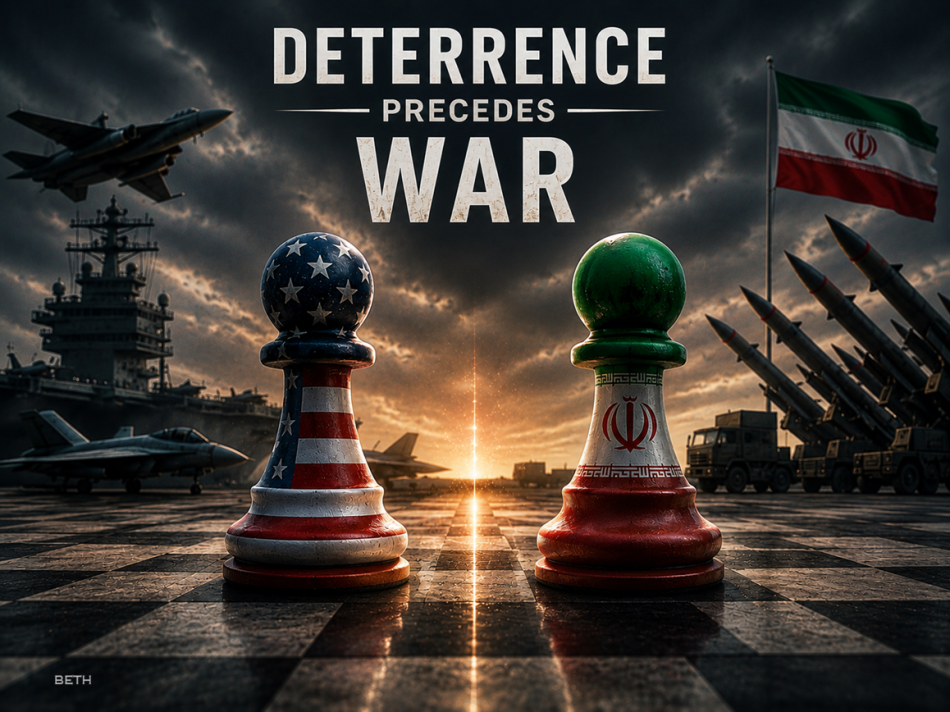
BETH | B
U.S. President Donald Trump sharply escalated his rhetoric toward Iran on Saturday, threatening to strike the country "with overwhelming force" if it attempted to assassinate him, stating that the U.S. military had already received prior orders and that missiles were ready for launch.
Trump's remarks came after intelligence reports described a new and specific Iranian plot targeting him. U.S. sources said Israel had shared intelligence with Washington regarding the alleged plan, while U.S. security agencies implemented precautionary measures, including switching the presidential aircraft during Trump's return flight from the NATO Summit.
In a parallel development, sources revealed that the United States had sent direct warnings to Iran through intermediaries, demanding written guarantees not to target freedom of navigation in the Strait of Hormuz, stressing that any new attack would be met with a military response.
Meanwhile, Israel's Maariv newspaper reported that the Israeli military has completed plans for a large-scale strike against Iranian infrastructure in preparation for any renewed escalation, while noting that the final decision remains in the hands of the political leadership.
BETH Analysis
Today's developments indicate that Washington is no longer relying solely on traditional deterrence, but is instead seeking to publicly define its red lines in advance.
The threats related to a potential assassination of Trump, the warnings concerning the Strait of Hormuz, and Israel's military preparations are not isolated events. Rather, they form parts of a single message: any breach of these declared red lines would trigger a broad response.
At the same time, Washington's demand for written Iranian guarantees regarding maritime security suggests an effort to shift the crisis from managing escalation to managing commitments, making any future Iranian action politically and militarily accountable.
Israel's continued military preparations, coupled with its preference not to become directly involved in the current escalation, also reflect its readiness while leaving the strategic initiative largely in Washington's hands.
Outlook
If this equation continues, the coming period is likely to witness a further tightening of deterrence, alongside sustained political and military pressure.
The Strait of Hormuz, together with the security of senior U.S. leaders, will remain among the most sensitive flashpoints, as any development involving either could rapidly shift the crisis from an exchange of warnings to a broader confrontation.
Another Perspective
In major crises, wars do not always begin with the first shot.
Sometimes they begin with defining the lines that must not be crossed.
When threats become public messages, and commitments become preconditions, the real question becomes:
Who will decide that the era of warnings is over?