



Saudi Arabia Considers Expanding East–West Pipeline to 9 Million Barrels per Day
BETH B
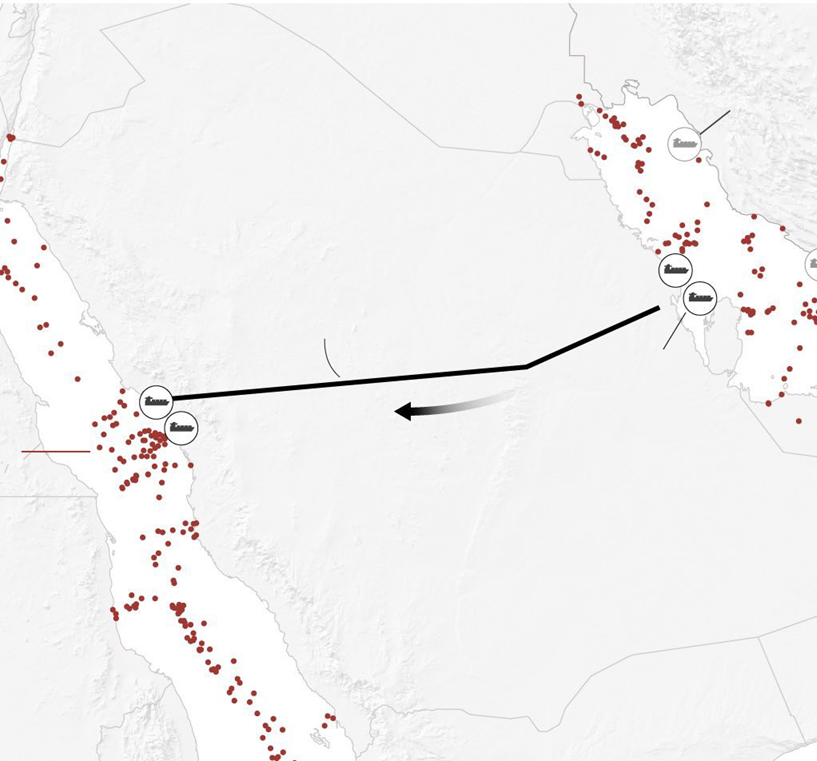
Saudi Arabia is considering increasing the capacity of its East–West oil pipeline from approximately 7 million to 9 million barrels per day, in a move aimed at enhancing the flexibility of crude exports through the Red Sea and reducing reliance on the Strait of Hormuz, according to informed sources.
If implemented, the project would represent the largest expansion of the strategic pipeline linking the Kingdom's eastern oil fields with the Red Sea port of Yanbu, strengthening supply security and providing Saudi Arabia with greater capacity to maintain exports in the event of disruptions to Gulf shipping routes.
BETH Analysis
At first glance, increasing the pipeline's capacity from 7 million to 9 million barrels per day may appear to be merely a technical expansion.
In reality, however, it reflects a strategic shift in Saudi thinking following the recent developments witnessed across the region.
The most important lesson from the Strait of Hormuz crisis was not the rise in oil prices, but the importance of having permanent alternatives capable of ensuring uninterrupted energy flows to global markets under all circumstances.
From this perspective, Saudi Arabia is not simply investing in an oil pipeline.
It is investing in strategic freedom of action while reducing its dependence on one of the world's most sensitive maritime chokepoints.
The project could also, in the future, open the door for some Gulf countries that lack sufficient alternative export routes outside the Strait of Hormuz to utilize the pipeline, further strengthening Saudi Arabia's role in regional energy security should such arrangements materialize.
Conclusion
The expansion would not merely increase transportation capacity.
Rather, it would represent a shift from risk management to redrawing the map of oil flows across the Gulf region.
The question is:
Is Saudi Arabia preparing for a future in which the East–West Pipeline becomes one of the world's most important arteries of global energy security?