



Day 125 🇺🇸⚔️🇮🇷: From the Language of War .. to the Language of Signatures
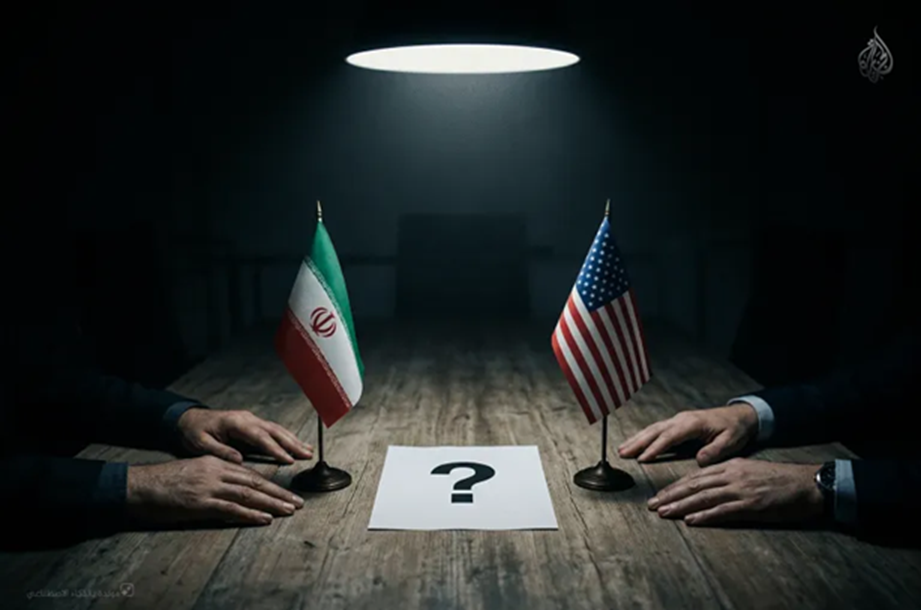
BETH B
Iranian Foreign Minister Abbas Araghchi affirmed that Tehran will not begin negotiations on a final agreement with the United States as long as threats continue, calling on Washington to honor the Memorandum of Understanding signed by both sides.
Araghchi stated that Clause 13 of the memorandum clearly stipulates that negotiations on a final agreement cannot begin while threats persist, concluding his message with the words: "Respect your signature."
Meanwhile, a liquefied natural gas (LNG) tanker came under attack while transiting the Strait of Hormuz after reportedly ignoring warnings issued by Iranian authorities, according to Iranian state television. The incident has once again drawn attention to the security of one of the world's most strategic maritime chokepoints, through which nearly one-fifth of global oil trade passes.
BETH Analysis
At first glance, Abbas Araghchi's remarks may appear to be a continuation of Iran's familiar rhetoric.
However, this time the choice of words carries a different significance.
Iran did not speak about its right to uranium enrichment.
It did not speak about military retaliation.
Nor did it speak about revenge.
Instead, it spoke about the signature.
This linguistic shift is far from symbolic.
When a state moves from the language of force to the language of documents, it signals an attempt to establish new negotiating rules—ones that make adherence to agreements part of the battle for political legitimacy rather than merely another bargaining point.
At the same time, the LNG tanker incident demonstrated that diplomatic language does not necessarily mean the abandonment of pressure tactics.
While Tehran emphasizes respect for signed understandings, the Strait of Hormuz remains a strategic lever capable of influencing global energy markets whenever tensions escalate.
This suggests that the current phase differs from the opening stages of the conflict.
The contest is no longer defined solely by who possesses greater military power.
It is increasingly about who can shape the political and legal framework upon which the next phase will be built.
Conclusion
Every war begins with weapons.
But its ending is usually written in words.
What stands out today is that Tehran has begun speaking the language of commitment to signed agreements, even as mutual threats and incidents in the Strait of Hormuz continue to remind the world that the instruments of power have not disappeared.
The question now is:
Has Iran begun preparing for a stage in which disputes will ultimately be settled through legal texts—while the messages are still being delivered by ships and missiles?