


Saudi Study: Move to Live .. Lessons from the Blue Zones
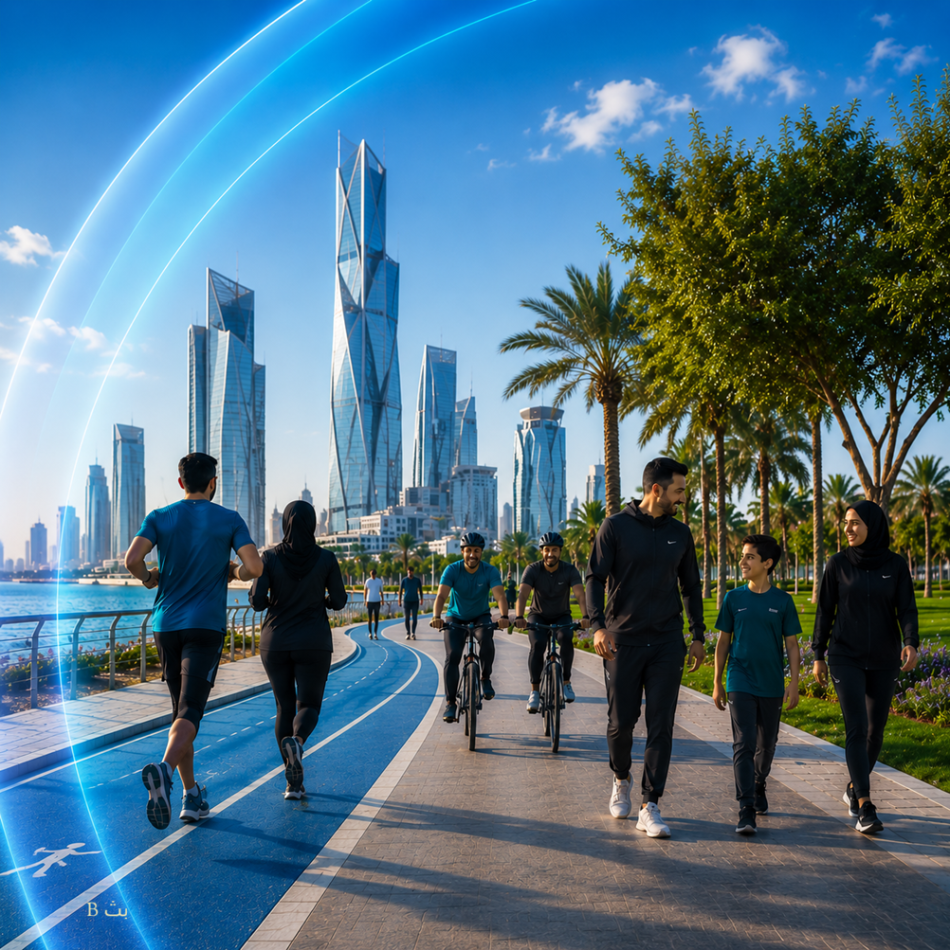
Can Longevity Be Engineered?
The study is not searching for an elixir of life... but for a way of life.
BETH B
Saudi Arabia's Quality of Life Program Center has released a study titled "Move to Live: Lessons from the Blue Zones in Physical Activity and Quality of Life," highlighting the key factors that distinguish the world's longest-living and healthiest communities, based on the latest peer-reviewed research in physical activity and healthy longevity.
The study examines five "Blue Zones" around the world, where people enjoy exceptionally long lives and remarkably low rates of chronic disease. It concludes that lifestyle, rather than genetics alone, is the most influential factor in health and longevity.
The study also notes that residents of these communities do not rely on intensive fitness programs. Instead, they integrate movement naturally into their daily lives, alongside moderate eating habits, strong family and social connections, and a clear sense of purpose.
It further highlights Saudi Arabia's progress in quality-of-life indicators, with the proportion of people meeting the recommended 150 minutes of weekly physical activity rising to 59.1% in 2025, while life expectancy has increased to 79 years. The study concludes that the Kingdom possesses the foundations needed to build its own model in line with the objectives of Vision 2030.
BETH Analysis
The most important message of this study is not about living longer.
It is about how public policy is designed.
Today, countries are no longer measuring success solely by the number of hospitals they build, but by the number of years people live in good health.
This shifts the central question from:
How do we treat disease?
To:
How do we prevent disease in the first place?
The experience of the Blue Zones suggests that health is not merely a medical project. It is also an urban, social, and cultural project that begins with neighborhood design, patterns of mobility, family relationships, and everyday lifestyles.
For this reason, quality of life has become an economic investment as much as a health investment. Every additional year lived in good health means higher productivity, lower healthcare costs, and a more sustainable society.
If Saudi Arabia continues linking quality of life with urban planning, community sports, hobbies, and preventive healthcare, the concept of a "Saudi Blue Zone" could emerge as a development model shaped by public policy rather than geography.
In that case, the achievement would not simply be a longer life expectancy, but an increase in the number of years people live with good health, vitality, and quality of life.