



Franklin Templeton Strengthens Its Presence in Riyadh
Global Asset Management Giant Opens Regional Headquarters at KAFD
Riyadh | BETH | B
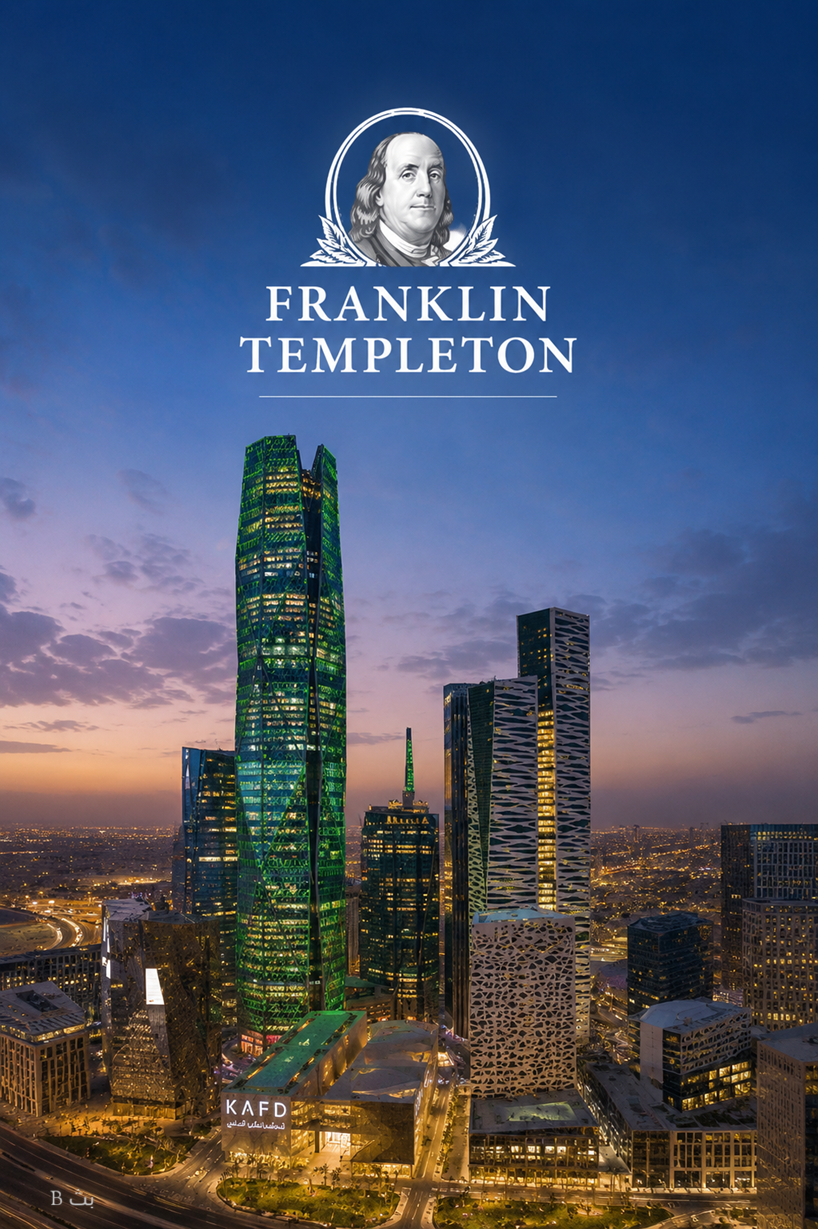
Franklin Templeton, one of the world's largest global asset management and investment firms, has officially inaugurated its new regional headquarters at the King Abdullah Financial District (KAFD) in Riyadh, marking another milestone in Saudi Arabia's ambition to establish the capital as a leading regional financial hub.
Founded more than 75 years ago in the United States, Franklin Templeton manages over US$1.5 trillion in assets and serves clients in more than 150 countries. The firm offers a broad range of investment solutions, including equities, fixed income, alternative investments, exchange-traded funds (ETFs), and wealth management services.
The regional headquarters builds on the company's expanding presence in Saudi Arabia following the receipt of investment management and advisory licenses from the Capital Market Authority. It also follows a strategic Memorandum of Understanding signed with the Public Investment Fund (PIF) to explore investments of up to US$5 billion in Saudi financial markets, while supporting knowledge transfer and the development of local talent.
The new office is expected to strengthen Franklin Templeton's regional operations, expand services for institutional investors, and contribute to the continued development of Saudi Arabia's asset management industry and capital markets.
BETH Analysis
At first glance, opening a regional headquarters may appear to be a routine corporate decision.
In reality, it signals something far more significant about Riyadh's growing role on the global financial map.
Companies the size of Franklin Templeton do not relocate regional headquarters simply for a new address.
They position themselves where they believe the next generation of investment opportunities will emerge.
That is why the significance of this move extends beyond the company's name.
It reflects the strategic importance of the industry it represents.
Asset management is not merely about investing in projects or businesses.
It is about directing capital flows, interpreting financial markets, allocating investments, and connecting global investors with emerging opportunities.
As more international financial institutions establish regional headquarters in Riyadh, Saudi Arabia is gradually evolving from a destination for investment into a center where investment decisions themselves are increasingly made.
With the growing concentration of global financial institutions at KAFD, competition is no longer simply about attracting companies.
It is about attracting the financial expertise that shapes investment decisions across the region.
The question is no longer:
How many global firms have opened regional headquarters in Riyadh?
It is:
To what extent is Riyadh becoming a city where investment decisions are made—not merely a market where investments are executed?