


Makkah Develops Its Neighborhoods
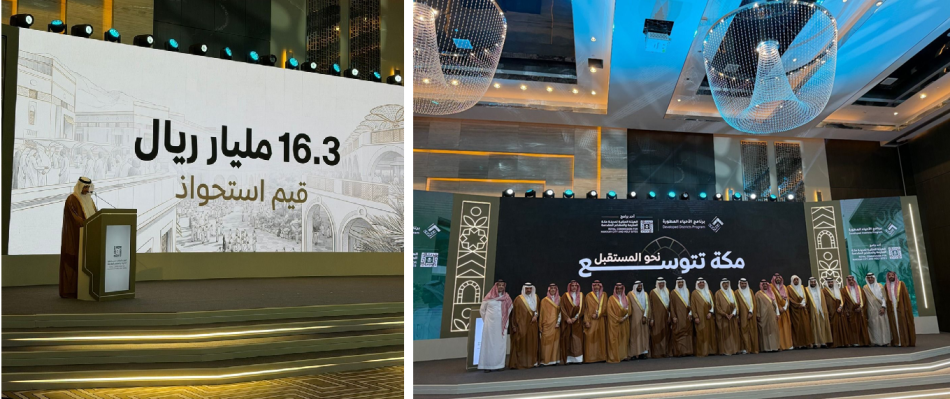
Seven Development Sites Awarded at a Value of SAR 16.3 Billion Under the Developed Neighborhoods Program
Makkah | BETH | B
The Royal Commission for Makkah City and Holy Sites has awarded development agreements for seven key sites under the Developed Neighborhoods Program, covering the neighborhoods of South Jurhum, Al-Hajlah, Al-Khalidiyah, East Al-Hindawiyah, South Al-Hindawiyah, West Al-Hindawiyah, and Al-Zuhour.
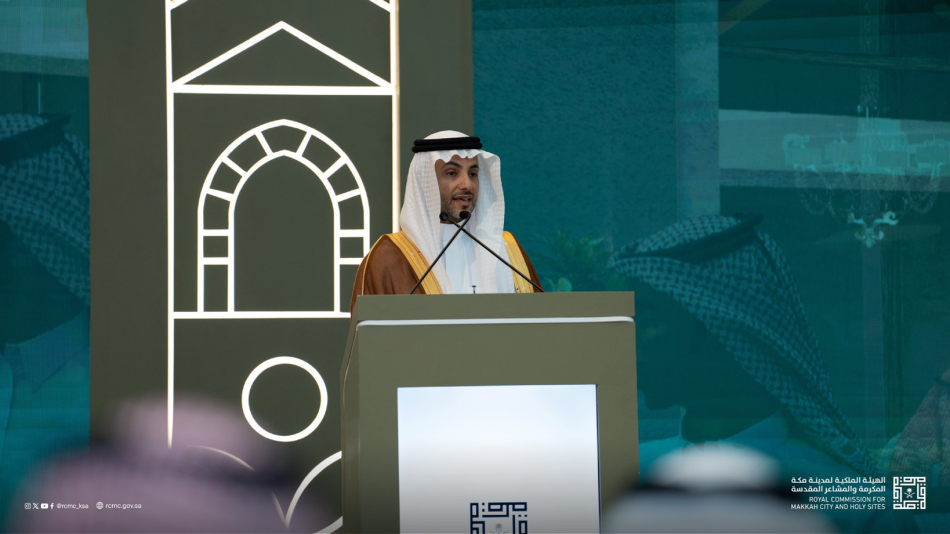
The Chief Executive Officer of the Royal Commission, Saleh bin Ibrahim Al-Rasheed, stated that the value of the land covered by the agreements amounts to approximately SAR 16.3 billion, while the development areas extend across more than 4.4 million square meters.
He explained that the new phase is based on development partnerships with national consortiums that include a number of the Kingdom’s leading real estate developers, with the aim of enhancing project quality and maximizing economic value for property owners, investors, and the city.
Al-Rasheed emphasized that the Developed Neighborhoods Program is built on two fundamental principles: protecting rights and maximizing value, contributing to the transformation of real estate assets into more sustainable development and investment opportunities. He added that the real estate sector is one of the key drivers of economic development in Makkah.
This phase represents an extension of the program’s first phase, which included the launch of the Al-Kudai Development Project through the “Mathabah” Fund, with investments approaching SAR 11 billion.
BETH Analysis
When real estate development in Makkah is mentioned, attention often turns to buildings, projects, and construction activities.
However, the deeper transformation may lie in reshaping the neighborhoods themselves.
Historic cities face a complex challenge:
How can they preserve their identity?
And:
How can they accommodate rapid population, economic, and urban growth at the same time?
From this perspective, the Developed Neighborhoods Program appears less about adding new buildings and more about reorganizing value within the city itself.
The most significant figure in this announcement may not be the SAR 16.3 billion investment alone, but the 4.4 million square meters of development areas, reflecting the scale of transformation expected across several neighborhoods within Makkah’s urban fabric.
The adoption of public-private partnership models also reflects a growing effort to attract capital and development expertise to help shape the city of the future.
As major projects continue across Makkah — from transportation and housing to hospitality and services — the city appears to be entering a new phase that goes beyond serving a specific season or individual project, aiming instead to enhance the overall urban environment.
The question is no longer:
How is Makkah expanding?
But rather:
How is Makkah reshaping its neighborhoods to match its position as one of the most important cities in the Islamic world?