
Future Sports Infrastructure in Saudi Arabia
Riyadh | BETH | B
Saudi Arabia’s sports infrastructure projects are advancing at a rapid pace, with construction continuing on several landmark facilities designed to host some of the world’s biggest sporting events in the years ahead.
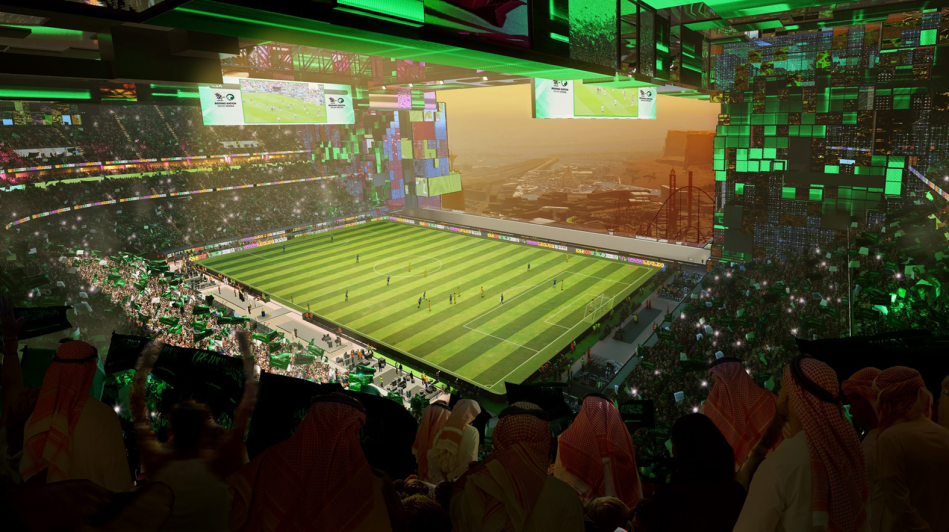
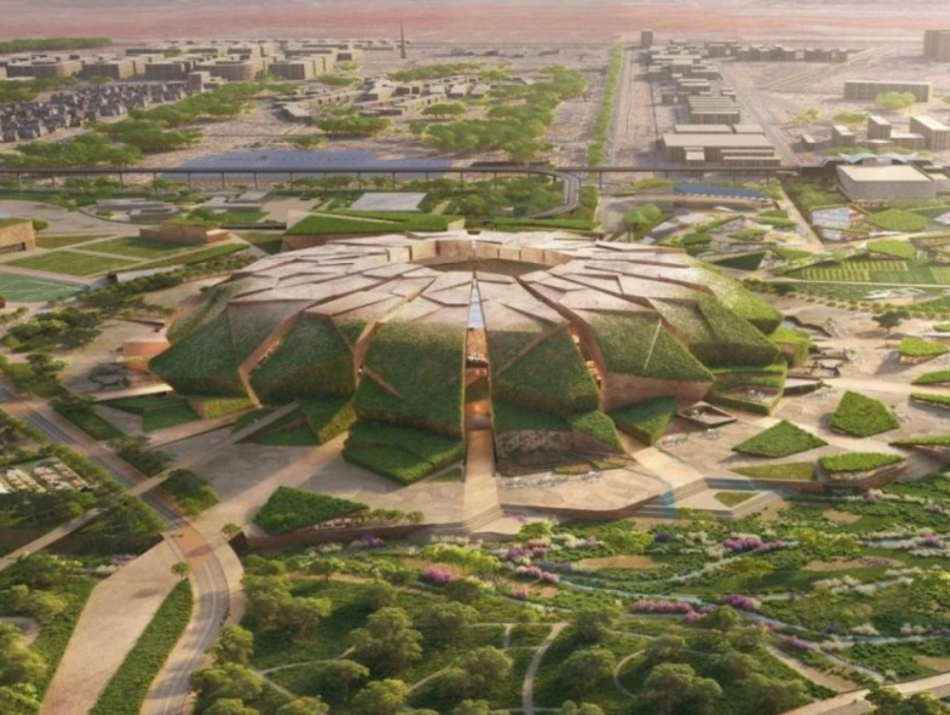
Construction is accelerating on King Salman Stadium, one of the largest stadiums in the world, which is set to host the opening and closing matches of the 2034 FIFA World Cup, reflecting the Kingdom’s ambition to deliver a world-class sporting model.
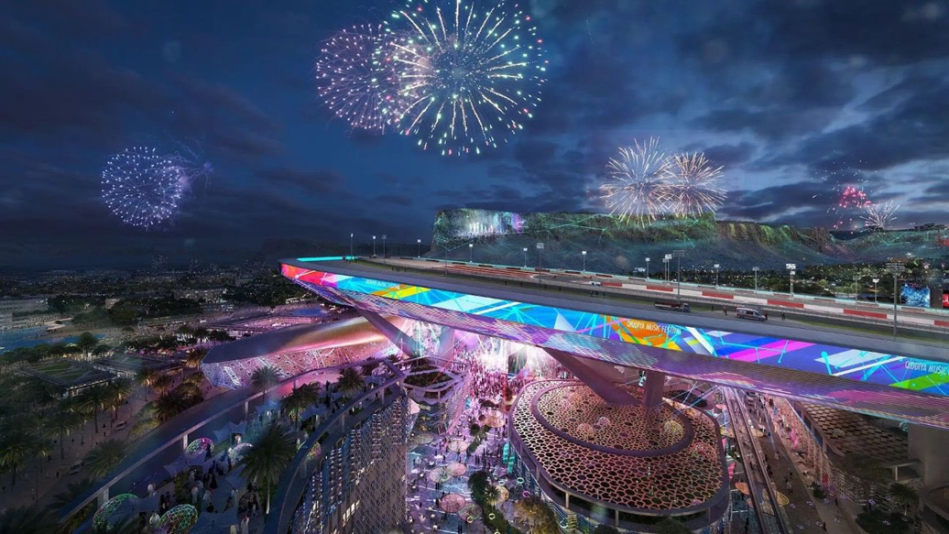
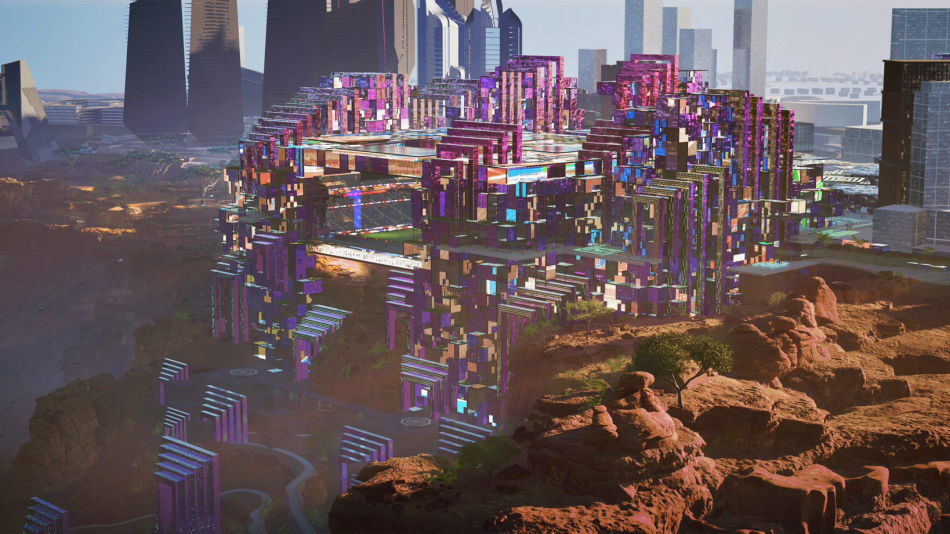
In Qiddiya City, work continues on Prince Mohammed bin Salman Stadium, one of the venues for the 2034 FIFA World Cup. Perched nearly 200 meters above the Tuwaiq Mountains, the stadium will accommodate up to 46,000 spectators and is scheduled for completion by 2029.
Construction is also progressing on Qiddiya Speed Park, featuring the world’s first suspended corner, “The Blade.” The circuit is considered one of the most anticipated motorsport projects globally and is expected to host Formula 1 and MotoGP events in the future.
Meanwhile, work continues on the National Tennis Center in Qiddiya, which will include 30 courts, among them a 15,000-seat main stadium, with plans to host ATP Masters 1000 tournaments beginning in 2028.
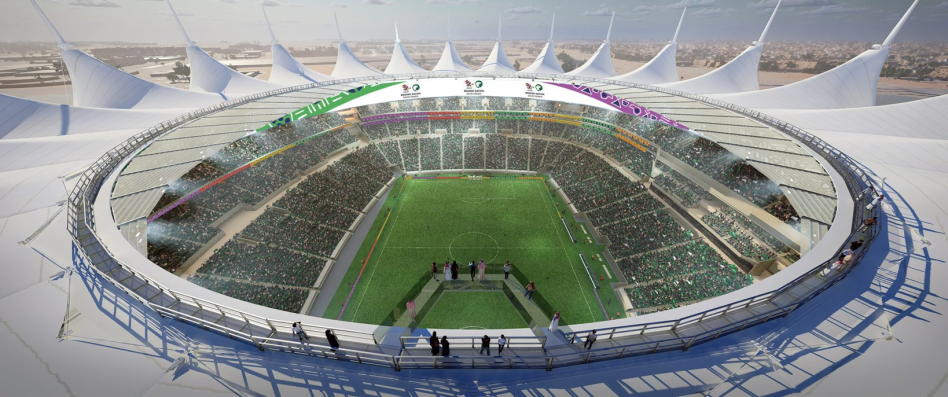
In Riyadh, engineers have begun lifting the circular roof ring of King Fahd Sports City Stadium, one of the venues for the AFC Asian Cup 2027 and the FIFA World Cup 2034. The stadium will have a capacity exceeding 70,000 spectators and feature advanced construction technologies, including a 360-degree panoramic screen.
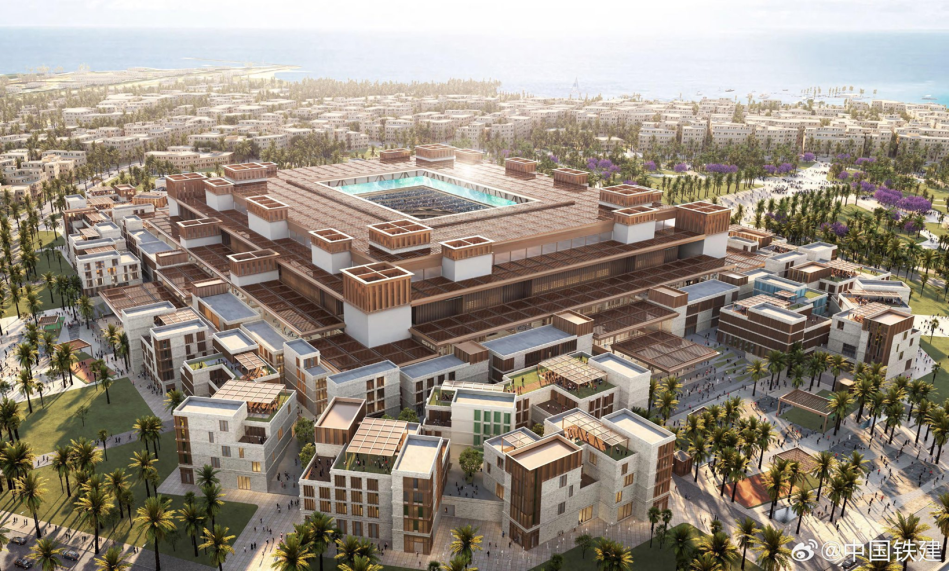
In Jeddah, construction is progressing rapidly on Central Jeddah Stadium, another World Cup 2034 venue, with a capacity of more than 46,000 fans. The stadium will feature a retractable roof, advanced cooling systems, and four surrounding fan villages, with completion targeted for the end of 2027.
Construction work on Aramco Stadium is advancing rapidly, as the venue moves closer to completion to become one of Saudi Arabia’s air-conditioned stadiums and one of the host venues for the AFC Asian Cup 2027 and the FIFA World Cup 2034.
The project is being developed by a consortium led by Belgium’s BESIX Group and its partners, as part of the Kingdom’s portfolio of next-generation stadiums that reflect Saudi Arabia’s commitment to world-class sports infrastructure, advanced design, sustainability, and enhanced fan experiences.
BETH Analysis | B
These projects demonstrate that Saudi Arabia’s sports transformation is no longer limited to hosting tournaments; it is evolving into the development of world-class infrastructure capable of competing for decades to come.
The Kingdom is not simply building stadiums. It is creating an integrated sports, entertainment, and tourism ecosystem that positions sport as part of the new economy and strengthens Saudi Arabia’s status as a global destination for major international events.
As the AFC Asian Cup 2027 and the FIFA World Cup 2034 draw closer, these projects are moving from architectural concepts to reality, reshaping the Kingdom’s sports and entertainment landscape.