KAFD Secures SAR 12 Billion Long-Term Financing Deal
Riyadh | BETH | B
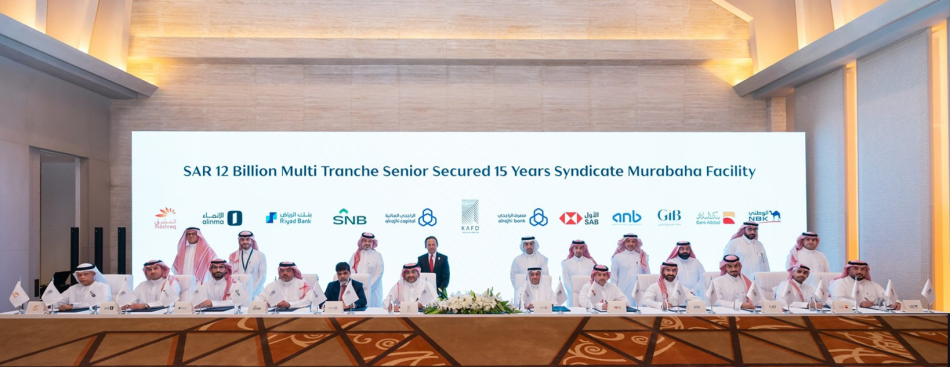
KAFD Development & Management Company has secured a SAR 12 billion syndicated financing facility through a 15-year Murabaha agreement, with participation from several local and regional banks. The deal represents the company’s first direct financing transaction since its establishment.
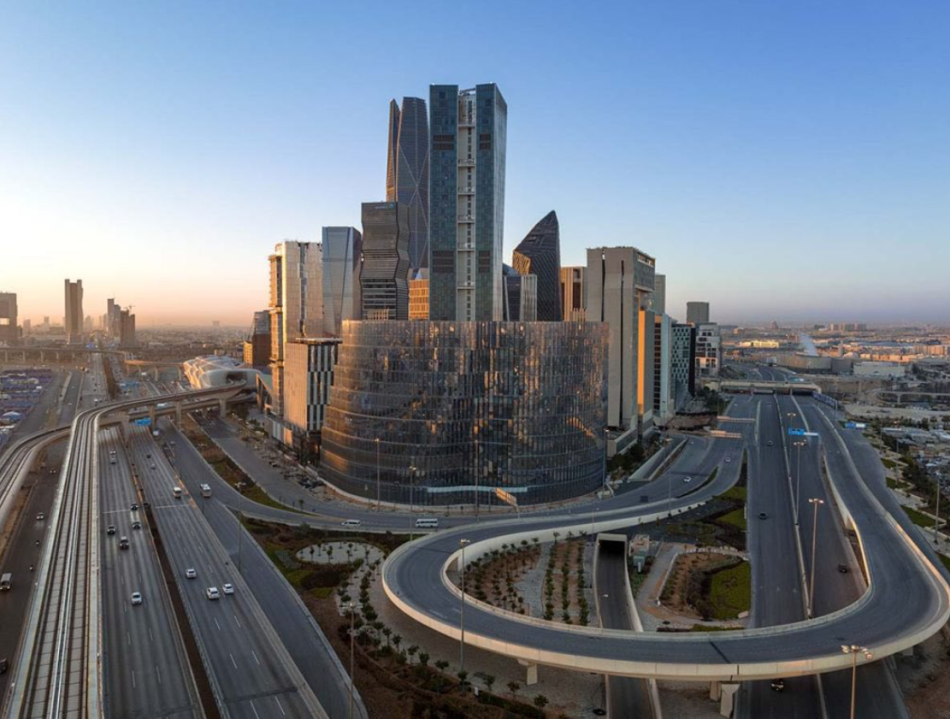
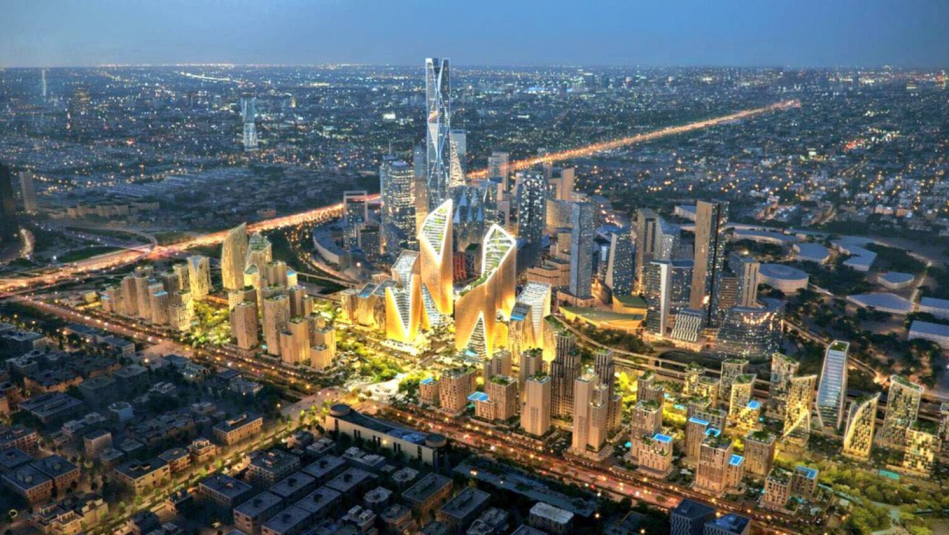
The financing is among the largest facilities granted to a mixed-use urban development project in Saudi Arabia and is intended to support future expansion plans, fund development projects, and enhance infrastructure within King Abdullah Financial District over the coming years.
The facility comes as KAFD continues to strengthen its position as an integrated financial and business hub, benefiting from the rapid growth of investment, financial services, technology, and urban tourism sectors in Riyadh, alongside rising occupancy rates and increasing interest from local and international companies.
BETH Analysis
The significance of this announcement lies not only in the size of the financing, but in the message behind it.
When the company responsible for developing and managing KAFD secures its first direct financing facility of this scale and duration, it reflects a high level of confidence from the banking sector in the project’s future and its ability to generate sustainable long-term returns.
The 15-year tenor is particularly noteworthy. It suggests that lenders view KAFD not merely as a real estate development, but as a long-term economic ecosystem expected to expand its role as Riyadh evolves into one of the region’s leading business and investment centers.
The financing also signals a new phase in the project’s evolution. The focus is no longer limited to constructing towers and infrastructure; it is increasingly about expanding the surrounding economic ecosystem, attracting more financial institutions, global corporations, and specialized services.
The key question is not: Why did KAFD obtain SAR 12 billion in financing?
Rather: What does it mean when banks are willing to commit this level of capital to the project’s future for the next 15 years?
The answer may be that financial institutions do not finance what has already been built alone; they finance what they believe will create value in the years ahead.
In that sense, the financing serves as another indicator that competition among global cities is no longer measured by the number of skyscrapers they build, but by their ability to convince investors that their future is worth a long-term commitment.