



Day 106 🇺🇸⚔️🇮🇷: Endless Negotiations
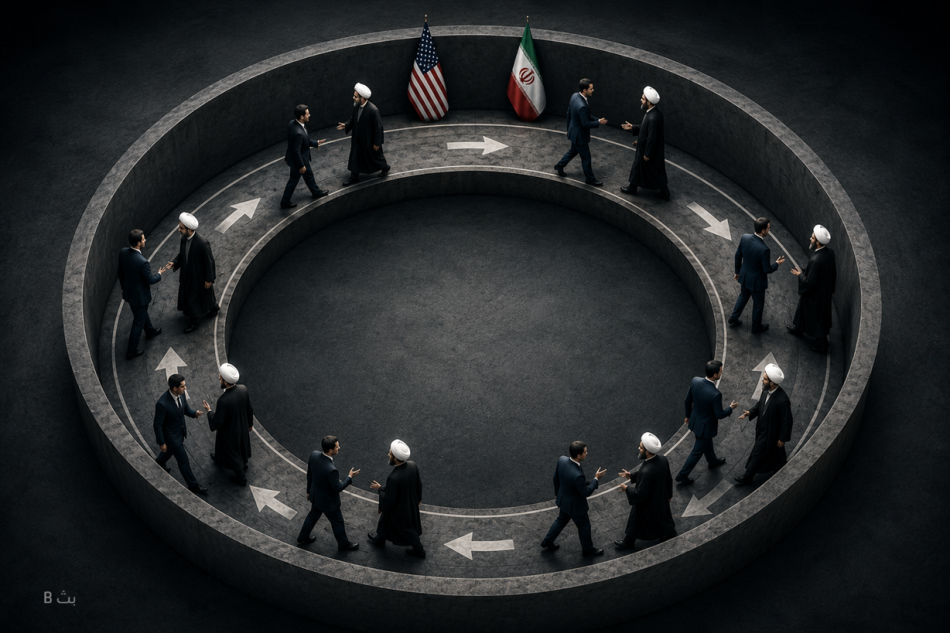
After 106 days since the outbreak of the war, Washington and Tehran appear to be moving within a closed negotiating circle; statements escalate and then fade, promises of agreements draw near only to return once again to the negotiating table.
In the latest developments, Iranian Foreign Minister Abbas Araghchi announced that the formal implementation of the memorandum of understanding between the United States and Iran will begin next Friday in Switzerland. He noted that officially declaring the end of the war is the primary objective of the first phase, while the nuclear file will be addressed in later stages of the negotiations.
Meanwhile, U.S. President Donald Trump stated that Iran has agreed to never possess a nuclear weapon, describing this commitment as one of the most significant outcomes of the understanding currently being finalized.
U.S. Vice President J.D. Vance also indicated that the issue of shipping fees in the Strait of Hormuz will be discussed within the framework of the peace agreement. It is expected that the anticipated signing will be followed by further technical discussions regarding a long-term arrangement.
What Does This Mean?
If the past 106 days are viewed in simple terms, roughly 30% of that period was marked by direct military strikes and confrontations, while the remaining time was spent on statements, negotiations, and reciprocal responses.
This raises a natural question:
Was the war a means to reach negotiations?
Or:
Were negotiations continuing all along, merely through different tools?
What Deserves Attention?
So far, the most sensitive issues remain unresolved:
- The nuclear file.
- Verification and monitoring mechanisms.
- Ballistic missiles.
- Regional influence.
- Long-term security arrangements.
At the same time, the current focus remains on ending the war, reopening the Strait of Hormuz, and restoring stability to shipping routes and energy markets.
In other words:
The parties have agreed to extinguish the fire.
But the investigation into what caused the fire has not yet begun.
BETH Assessment
After more than one hundred days, the war does not appear to have resolved the dispute.
Nor do the negotiations appear to have fully resolved the war.
The current situation therefore resembles a prolonged transition from confrontation to negotiation.
As the signing date approaches, the same statements continue to be repeated, while the major issues remain postponed to future rounds of talks.
The most important question today may not be:
When will the agreement be signed?
But rather:
Will the signing resolve the underlying disputes, or will it simply become another stop in negotiations that seem to have no end?
Strategic Media Department | BETH Agency