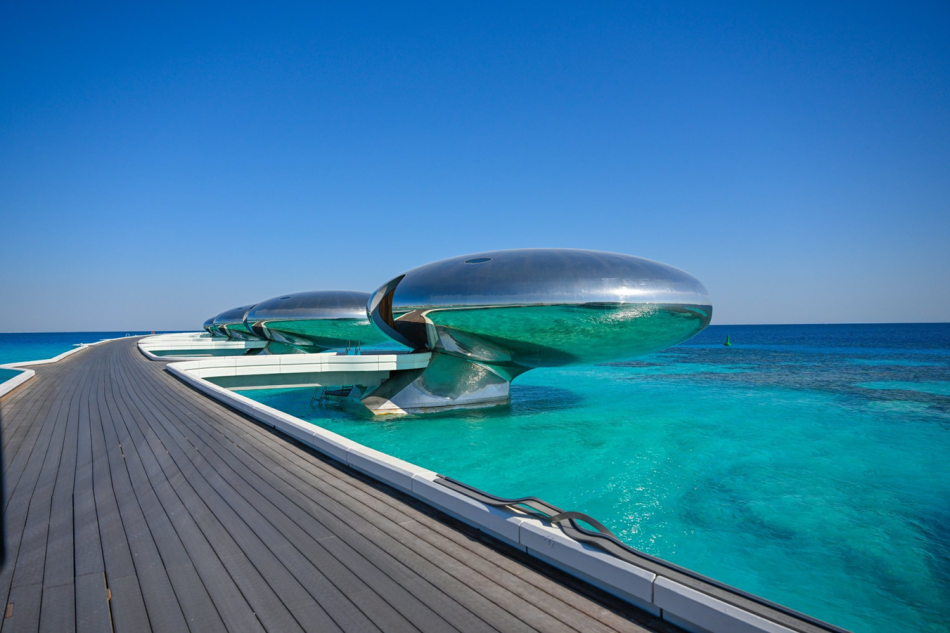
Saudi Arabia Is Redefining Luxury
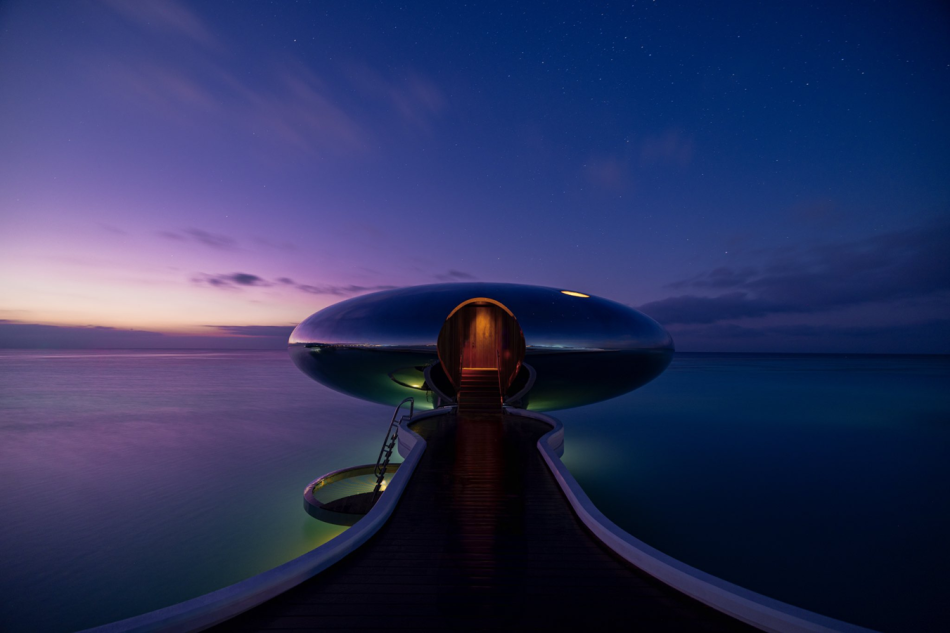
Why Are Rare Travel Experiences Moving East? And How Are the Destinations the World Seeks Being Built?
Prepared and Interpreted by | Strategic Media Department – BETH Agency
The question is no longer:
How many hotels is Saudi Arabia building?
Nor:
How many tourists is it targeting?
The more important question has become:
What kind of tourism is Saudi Arabia creating?
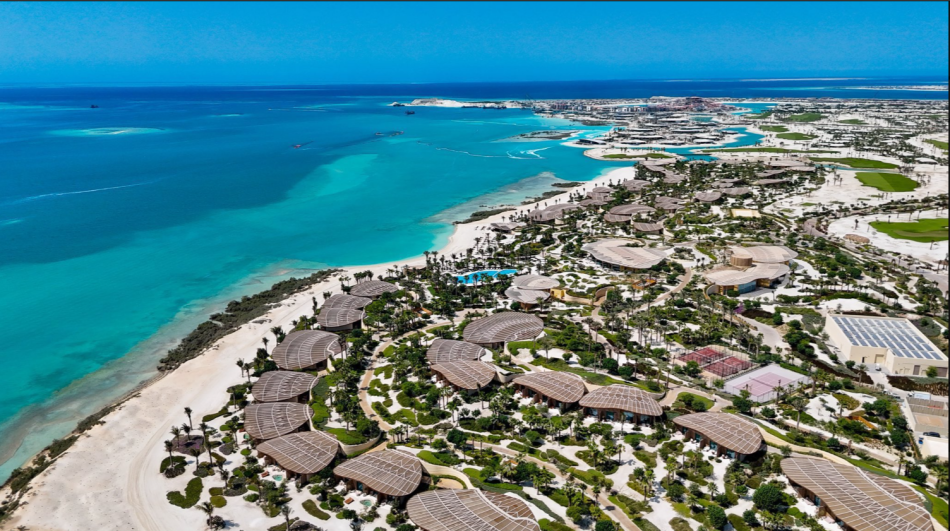
Because what is happening along the Red Sea coast, in AlUla, AMAALA, and across thousands of kilometers of emerging destinations goes far beyond building luxury resorts.
It is an effort to create a new definition of luxury itself.
Luxury Is Changing
In the past, luxury tourism meant:
Bigger hotels.
Larger rooms.
And more services.
Today, however, the world's highest-spending travelers are looking for something different:
Privacy.
Unique experiences.
Nature.
Sustainability.
And destinations that have not yet been discovered by everyone.
This is where Saudi Arabia enters the picture.
An Advantage Few Destinations Possess
Many of the world's established luxury destinations have reached a stage of maturity.
The beaches are known.
The cities are known.
And many experiences have become familiar.
Saudi Arabia, however, possesses something increasingly rare:
Entirely new destinations for the global market.
Pristine coastlines.
Untouched islands.
Unique heritage sites.
And vast landscapes that allow for the creation of a different kind of experience.
Why the Red Sea?
Because the Red Sea is not merely a tourism project.
It is a platform for redefining luxury travel.
The goal is not simply to attract the largest number of visitors.
It is to attract travelers seeking exceptional experiences.
That is why these projects have been designed around different principles:
Low-density resorts.
Environmentally integrated architecture.
High sustainability standards.
And greater privacy than many traditional luxury destinations.
What Do Investors See?
Investors do not simply see a coastline.
They see a direction.
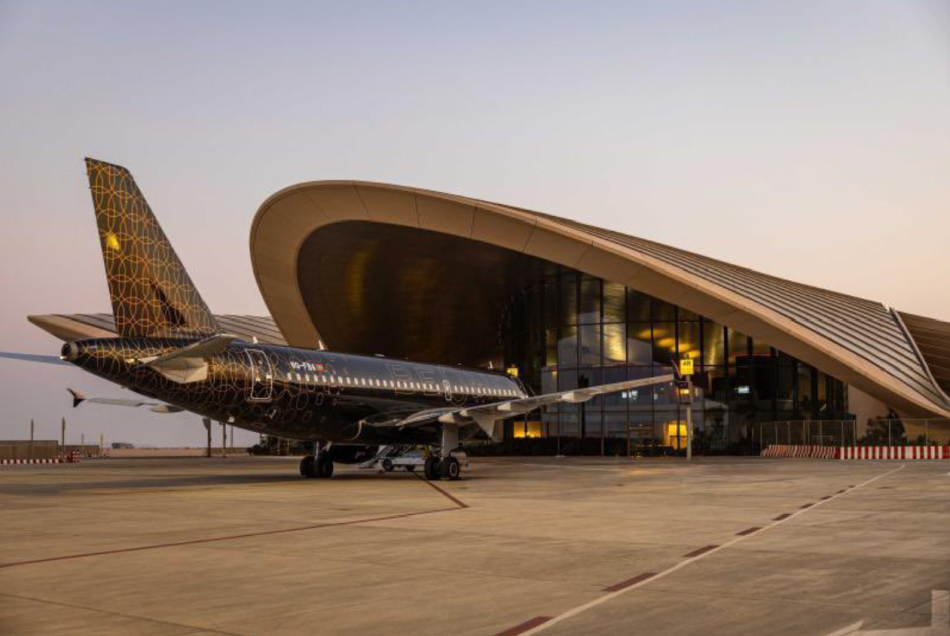
When airports expand.
When infrastructure accelerates.
When global hospitality brands enter the market.
And when investment in luxury travel continues to grow.
The message becomes clear:
Saudi Arabia is not building a tourism season.
It is building a long-term economic sector.
Looking Ahead
Perhaps the most important development today is that the Kingdom is not competing in traditional tourism.
Instead, it is positioning itself within the highest-value segment of the global market:
Luxury tourism.
Experiential tourism.
Eco-tourism.
And rare experience travel.
These are among the fastest-growing and highest-spending segments worldwide.
Conclusion
What we are witnessing today in the Red Sea, AlUla, AMAALA, and other projects is not simply the construction of new hotels.
It is the creation of a new generation of global destinations.
Therefore, the most important question may not be:
How many tourists will visit Saudi Arabia?
But rather:
How many new world-class destinations can Saudi Arabia add to the global map?