

FIFA World Cup 2026 Kicks Off
Mexico City | BETH | B
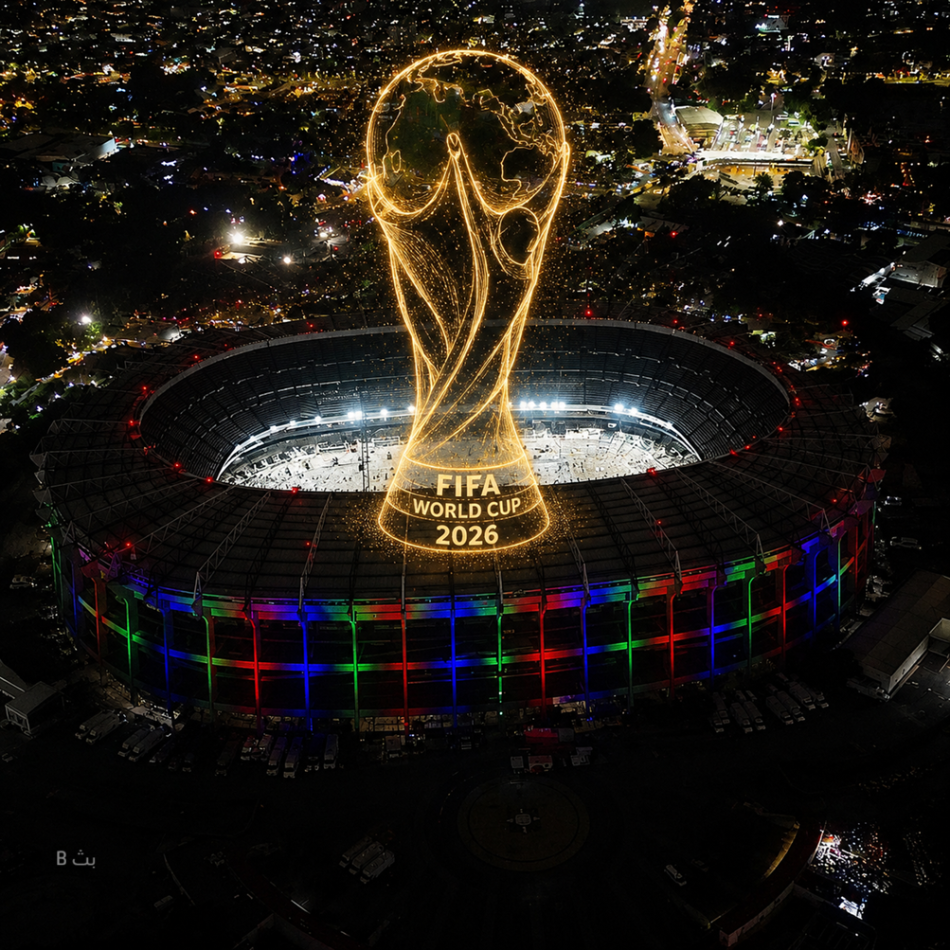
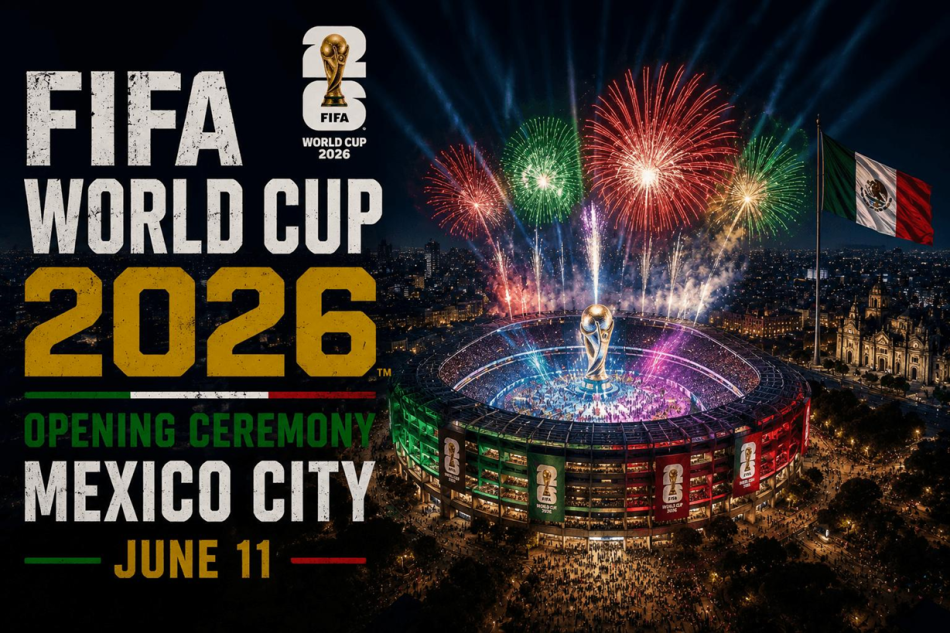
The 2026 FIFA World Cup kicked off moments ago in the largest edition in the tournament’s history, with a spectacular opening ceremony at the historic Estadio Azteca in Mexico City, ahead of the opening match between Mexico and South Africa.
For the first time, the tournament features 48 national teams and includes 104 matches played over 39 days across 16 host cities in the United States, Canada, and Mexico. Mexico hosts the opening match, while the final will be played in the United States.
The opening ceremony featured artistic and musical performances celebrating Mexican and Latin American culture, with appearances by a number of internationally renowned artists, including Shakira, Burna Boy, and J Balvin.
Estadio Azteca also becomes the first stadium in history to host matches in three different FIFA World Cup editions, adding a unique historical and symbolic dimension to the tournament’s opening.
The opening match between Mexico and South Africa kicked off at 10:00 PM on Thursday (Makkah time), corresponding to 1:00 PM in Mexico City on the same day.
Mexican forward Julián Quiñones scored the first goal of the 2026 FIFA World Cup, finding the net in the ninth minute of the opening match against South Africa.
Teboho Mokoena of South Africa entered the tournament record books as the first player to receive a yellow card at the 2026 FIFA World Cup, picking up the booking in the 16th minute of the opening match.
The first red card of the 2026 FIFA World Cup was shown to South African player Sifivile Sithole.
Mexico doubled its lead through Raúl Jiménez, who scored the team's second goal in the 67th minute .
South Africa was shown a second red card when referee dismissed Themba Zwane from the match.
The closing stages of the match saw Mexico's César Montes receive a red card in the first minute of stoppage time.
The opening match of the 2026 FIFA World Cup ended with a 2–0 victory for Mexico over South Africa, giving the hosts the first win of the largest edition in the tournament’s history.
The opening match officiated by Italian referee Daniele Orsato.
More Than a Tournament
The FIFA World Cup is no longer merely a football competition.
It has become a global event that brings together politics, economics, tourism, culture, and media on a single stage.
This edition is the largest in the history of the game in terms of participating teams, number of matches, and expected audiences, making it a major test of the host nations’ ability to manage a global event spanning three countries, multiple cultures, and vast geographical distances.
In every World Cup, it is not only the players who compete.
Cities compete.
Transportation networks compete.
Economies compete.
And nations compete for the global image they project before billions of viewers around the world.
The question remains:
Who will win the trophy?
Or perhaps the more important question is:
Who will succeed in using the World Cup to build a stronger image of itself before the world?