


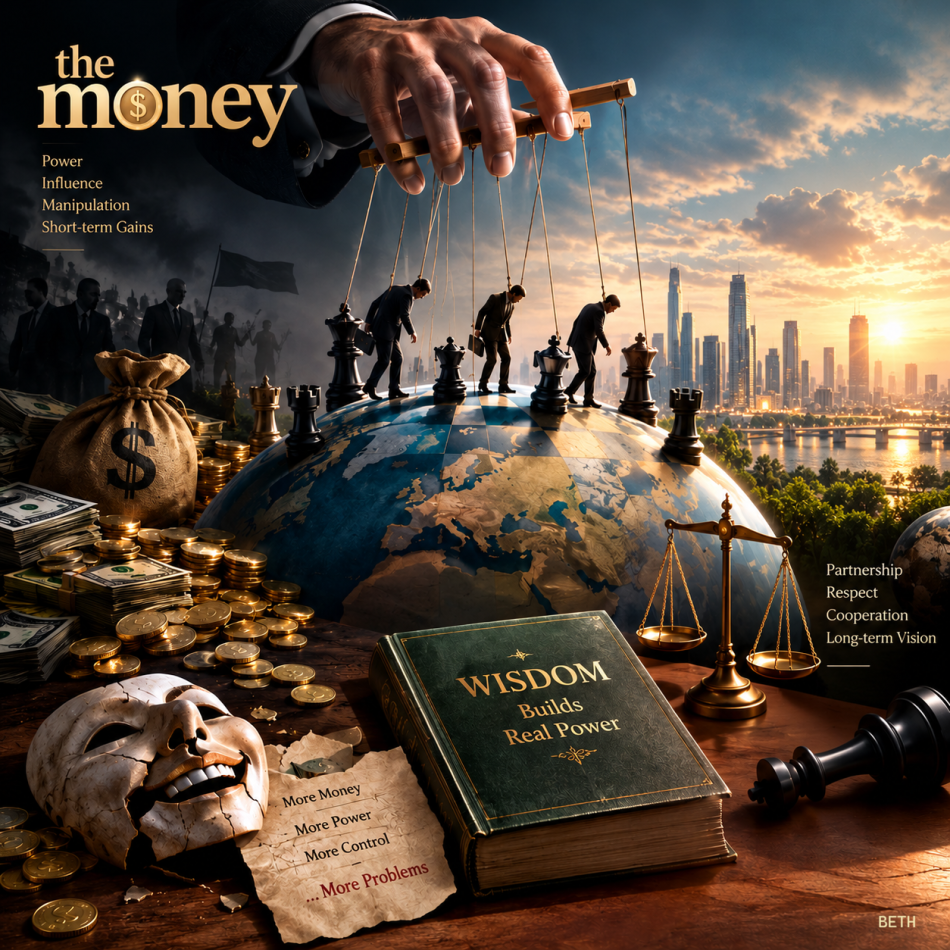
Why Do Humans Need a Hero?
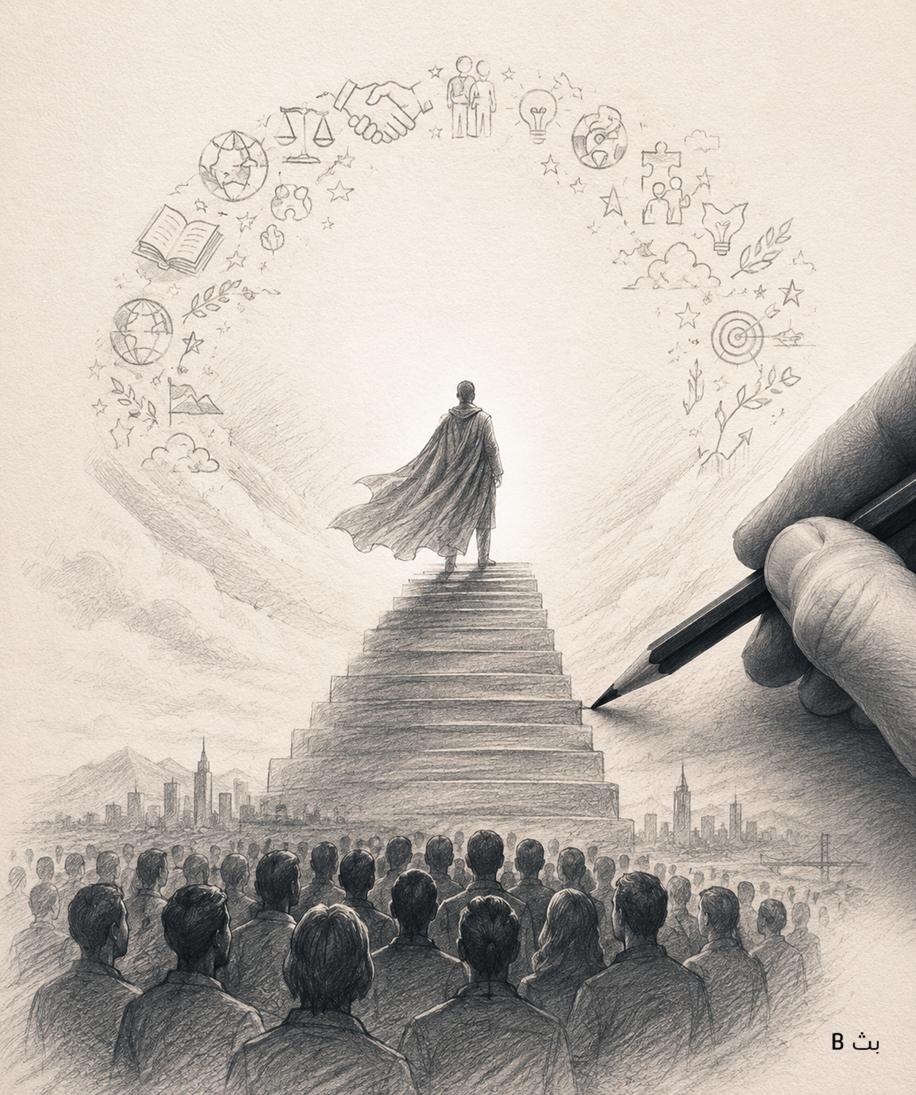
Who Creates the Hero: The Hero or the Crowd?
By: Abdullah Al-Omairah
Since the dawn of history, humanity has never stopped searching for a hero.
A hero to lead.
A hero to protect.
A hero to inspire.
A hero who can simplify complexity into a single face, a single voice, and a single story.
That is why almost every nation, group, institution, or even sports team has a hero, an icon, or a central figure around whom attention revolves.
But the more important question is not:
Who is the hero?
Rather:
Why do humans need a hero in the first place?
The Human Search for Certainty
Life is complex.
Events are intertwined.
Truth is rarely simple.
Yet the human mind prefers simplicity.
As a result, many people tend to reduce major issues to a single individual.
Instead of understanding the project, they follow its leader.
Instead of studying the idea, they follow its owner.
Instead of analyzing the institution, they focus on the face that represents it.
And this is where the hero is born.
Is a Hero Chosen?
In the ideal sense, yes.
A hero is expected to rise because of:
- Competence.
- Achievement.
- Wisdom.
- Courage.
- The ability to carry responsibility.
Reality, however, is more complicated.
Some heroes do not rise because they are the best.
They rise because they are the most visible.
Or because they are the boldest in stepping forward.
Or because they possess the ability to attract attention.
In everyday language, we might say they “push themselves to the front.”
They move toward the spotlight even when their qualifications are smaller than the position they occupy.
And here begins the confusion between:
The real hero.
And:
The image of a hero.
The More Dangerous Question
An even deeper question may be:
Why do many heroes appear weaker than people imagine?
And why do some collapse at the first real test?
The answer may be unsettling:
Because many heroes do not create themselves.
They are created by crowds.
They are created by media.
They are created by humanity’s psychological need to believe in someone.
People are not always searching for the best leader.
Sometimes they are simply searching for the person who gives them hope.
Nor are they always searching for the complete truth.
Often, they are searching for a compelling story they can believe in.
The Hero the Crowd Needs
In times of uncertainty, fear, and confusion, demand for heroes increases.
That is why charismatic figures tend to emerge more often during turbulent periods than during stable ones.
People do not search for heroes when everything is clear.
They search for them when visibility is lost.
At that point, the desire for a hero can become a collective psychological need.
A need that sometimes elevates ordinary individuals.
And grants them qualities they never truly possessed.
Manufacturing Heroes
In the past, heroes were shaped through:
- Battles.
- Achievements.
- Long histories of accomplishment.
Today, however, heroes can be created through:
- A platform.
- A camera.
- An algorithm.
- A successful media campaign.
Which raises an even more complicated question:
Did the hero create the achievement?
Or was the achievement built around the image of the hero?
The Uncomfortable Truth
Not every famous person is a hero.
And not every hero becomes famous.
Some of history’s greatest individuals were known only to a few.
Meanwhile, some of the most celebrated figures contributed far less than the mythology surrounding them would suggest.
The maturity of a society is therefore not measured solely by its ability to create heroes.
It is also measured by its ability to distinguish between:
- Symbol and reality.
- Image and truth.
- Charisma and competence.
The Question Worth Thinking About
Perhaps the real question is not:
Who is the hero?
But:
Why do we need a hero at all?
Are we searching for an extraordinary leader?
Or are we searching for someone onto whom we can project our hopes, fears, and unanswered questions?
Because the answer may reveal something important:
Sometimes a hero tells us very little about himself...
But tells us a great deal about those who created him.
Beyond the Question
An invisible thread connects many seemingly unrelated topics previously explored by BETH:
- Dignity.
- Genius and madness.
- Perception management.
- Media.
- Leaders.
- Celebrities.
- Influencers.
All of them ultimately lead to one central question:
Do humans seek truth alone?
Or do they seek someone who embodies that truth before them?
The deeper we explore this question, the more it appears that the issue is not:
Why do humans need a hero?
But rather:
Why do humans need to believe in someone?
And here we leave the worlds of politics and media behind...
And enter something far deeper:
Human nature itself.