



Day 99 🇺🇸⚔️🇮🇷
Waiting Circle
The U.S.-Israeli conflict with Iran continues to revolve within the same cycle: calibrated escalation, exchanged messages, and negotiations that advance one step only to retreat another.
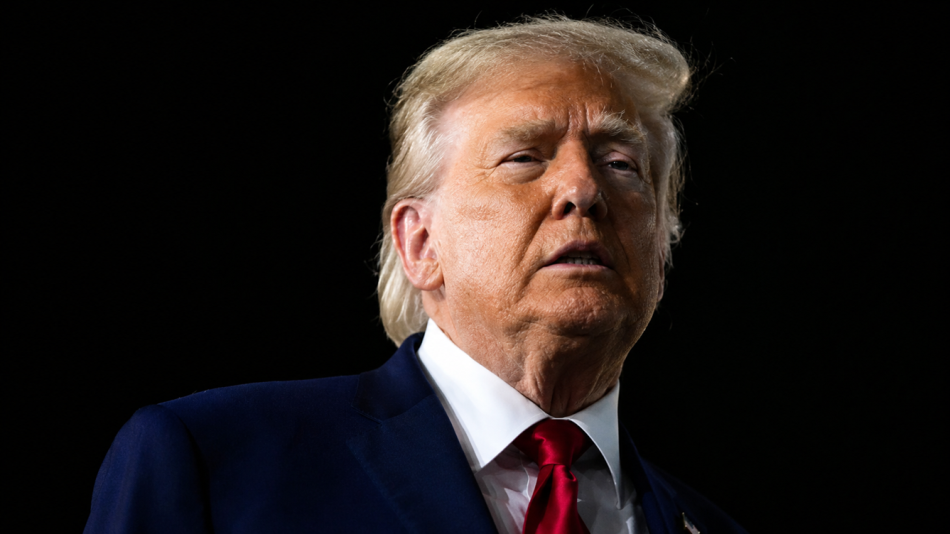
U.S. President Donald Trump reiterated that Iran will not obtain a nuclear weapon, indicating that a potential agreement has entered its final stages and that a clearer picture may emerge within the coming days.
Meanwhile, Iranian government spokesperson Fatemeh Mohajerani stated that Tehran will continue to rely on both diplomacy and defensive capabilities to secure what it describes as the rights of the Iranian people.
On the northern front, Israel continued targeting members of Hezbollah while renewing warnings that any attacks against Israel would trigger direct retaliation that could reach Beirut’s southern suburbs.
At the same time, signs of growing differences emerged between Trump and Israeli Prime Minister Benjamin Netanyahu, particularly regarding the continuation of military operations in Lebanon and Iran.
In parallel, Iran-aligned groups in Yemen and Iraq warned that they would intervene should Iran come under major attack, adding a wider regional dimension to any potential confrontation.
BETH Analysis
After 99 days of pressure, escalation, and negotiations, the core issue no longer appears to be the agreement itself as much as what comes after it.
Washington seeks to close the nuclear file without opening the door to a broader regional war.
Tehran seeks to preserve what it considers elements of sovereignty and strategic leverage without sliding into a direct confrontation whose costs may outweigh its gains.
Israel, meanwhile, appears less convinced by political guarantees alone and more interested in security arrangements that permanently reduce the capabilities of its adversaries.
The messages coming from Yemen and Iraq suggest that a major strike on Iran would likely not remain confined within Iranian borders. This remains one of the key factors making military decisions far more complex than public statements may suggest.
The increasingly important question is no longer:
Will there be an agreement?
But rather:
What happens if the agreement collapses at the final moment?
Current indicators suggest that Washington and Tel Aviv are not merely following the negotiations. They appear to be preparing, in parallel, for scenarios that could emerge from failure, just as they continue preparing for success.
For that reason, the coming days may determine not only the future of the nuclear negotiations, but also the shape of the Middle East’s next phase.
Apache Incident Escalates Tensions
U.S. President Donald Trump stated that Iran’s downing of an American Apache helicopter over the Strait of Hormuz requires a response, in one of the strongest statements since the current crisis began. The remarks come as nuclear negotiations continue to move between progress and deadlock.
BETH Analysis
If Washington maintains this position, the incident could mark a significant turning point in the crisis.
The issue is not merely the loss of a helicopter, but the broader question of deterrence and American credibility in one of the world's most strategically sensitive regions.
The most likely scenario does not appear to be a full-scale war, but rather a calibrated response designed to restore deterrence and send a clear message without completely closing the door on diplomacy.
The risk, however, lies in the possibility that every response could trigger a counter-response, pushing the region into a new phase of controlled escalation that may become increasingly difficult to contain.
The key question for policymakers, investors, and regional actors in the coming hours will be:
Will the U.S. response remain limited and symbolic?
Or could this incident become the first step away from negotiations and toward a more confrontational phase of the crisis?
BETH (بث B) – All rights reserved