



Saudi Arabia and Russia Sign 13 Agreements Worth SAR 4.8 Billion
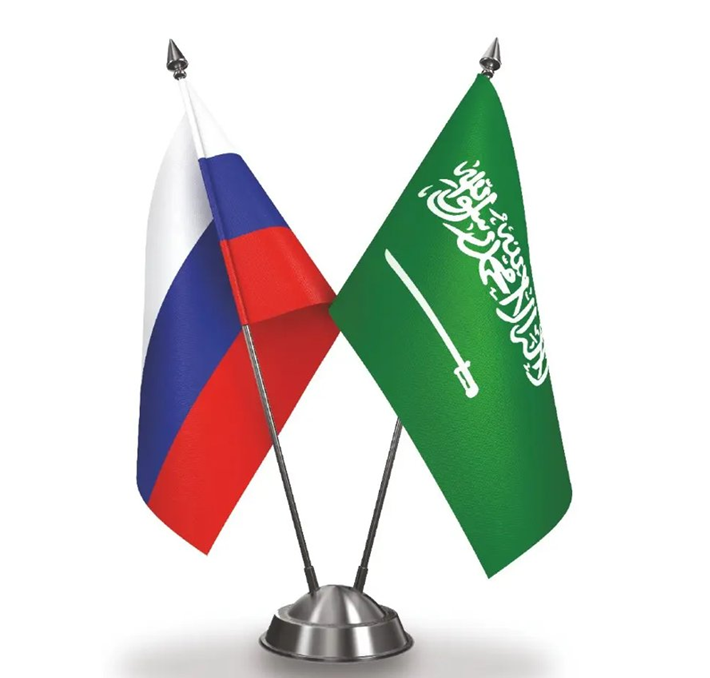
Food, Veterinary, and Supply Chain Partnerships Signed on the Sidelines of the St. Petersburg International Economic Forum
Moscow | BETH | B
June 8, 2026
Saudi Deputy Minister of Environment, Water and Agriculture Eng. Mansour Al-Mushaiti witnessed the signing of 13 strategic agreements and memorandums of understanding between Saudi Arabia and the Russian Federation on the sidelines of the St. Petersburg International Economic Forum, with a total investment value of SAR 4.8 billion.
The agreements aim to expand trade and investment cooperation between the two countries across food production, livestock, agriculture, and fisheries sectors.
Overview
Al-Mushaiti stated that the agreements cover several key areas, including:
- Manufacturing and localizing veterinary vaccine production to strengthen animal health and biosecurity.
- Developing and breeding broiler poultry strains to support self-sufficiency and sustainable domestic production.
- Securing feed inputs and supply chains for the livestock sector.
- Exporting Saudi shrimp and fish through Russian companies specializing in international import and distribution.
- Marketing and exporting camel milk products to Russian and global markets.
- Promoting and exporting Saudi coffee products.
- Cooperation and exchange in the soft drinks sector.
He noted that Saudi Arabia’s participation as a Guest of Honor at the forum reflects the depth of the strategic partnership between the Kingdom and Russia and provides opportunities to explore new investments in the fields of environment, water, and agriculture.
BETH Analysis
What stands out in this package is not only the SAR 4.8 billion investment value, but also the nature of the sectors involved.
The focus is on food security, supply chains, and biotechnology, all of which have become central pillars of economic security following recent disruptions in global trade and ongoing geopolitical challenges.
The agreements combine both localization and export expansion. Some are designed to strengthen domestic production capabilities within Saudi Arabia, particularly in veterinary vaccines and poultry production, while others create new international channels for Saudi products such as seafood, camel milk products, and Saudi coffee.
These partnerships also reflect a broader Saudi economic strategy centered on diversifying international partnerships, strengthening local value chains, and expanding globally through products and industries that carry a distinct Saudi identity, in line with the objectives of Saudi Vision 2030.