



Saudi Arabia Leads Global Drought Resilience Efforts
Cairo | BETH | B
07 June 2026
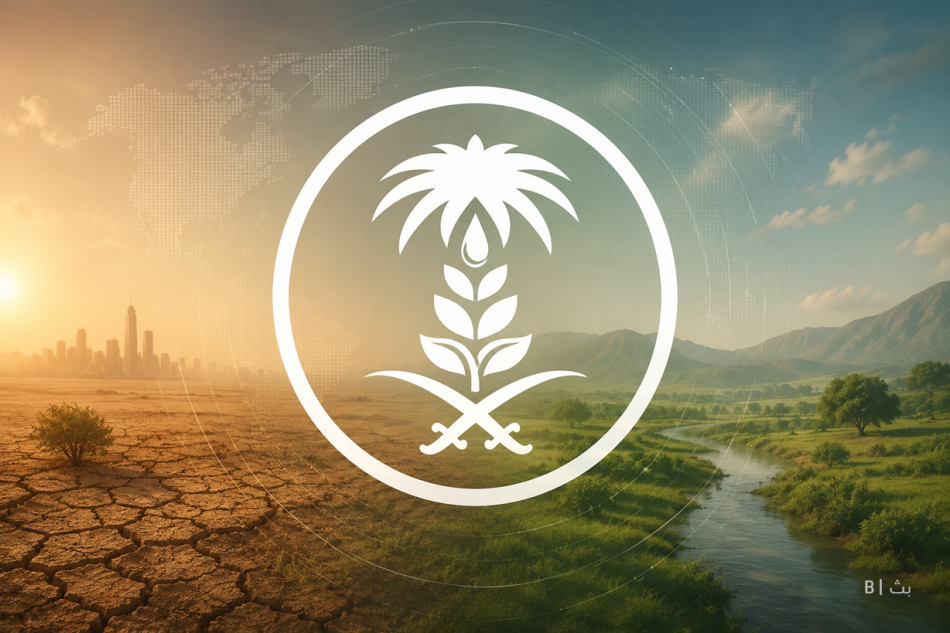
Saudi Arabia, in its capacity as President of the 16th Conference of the Parties to the United Nations Convention to Combat Desertification (UNCCD COP16), continued to lead international efforts to strengthen global resilience against drought through the ministerial segment of the third meeting of the “Riyadh Drought Resilience Initiative Process”, hosted in Cairo.
The meeting focused on political and strategic discussions aimed at shaping the future direction of international cooperation on drought resilience and creating favorable conditions for ambitious outcomes at COP17, scheduled to take place in Mongolia in August 2026.
Saudi Arabia emphasized the importance of strengthening multilateral cooperation and accelerating the implementation of initiatives designed to protect land and natural resources while building a more resilient and food-secure future.
Dr. Osama Faqeeha, Deputy Minister for Environment at the Ministry of Environment, Water and Agriculture and Advisor to the COP16 Presidency, noted that drought has become a growing global challenge affecting regions across the world, with the Middle East and Africa among the most vulnerable.
The Kingdom also highlighted the Riyadh Global Drought Resilience Partnership (RGDRP), one of the world’s largest international initiatives dedicated to supporting proactive drought preparedness in developing countries before crises occur.
BETH Analysis
Drought is no longer solely an environmental issue.
It has become a challenge closely linked to food security, economic stability, and sustainable development.
This is where Saudi Arabia’s efforts gain particular significance, as the Kingdom seeks to shift the global conversation from managing crises after they occur to building preventive systems that reduce their impact before they emerge.
Saudi Arabia’s leadership of COP16 reflects its growing role in international environmental affairs. Saudi initiatives are no longer limited to local or regional objectives but have become part of broader global efforts to protect land, nature, and the resilience of communities facing climate-related challenges.
At a time when desertification, water scarcity, and land degradation are affecting vast areas of the world, Riyadh appears to be advancing a new international approach based on preparedness and resilience rather than waiting for environmental crises to unfold.