



Crown Prince Joins Regional Call with Trump
Jeddah | B | بث
Dhul Hijjah 07, 1447 AH — May 24, 2026
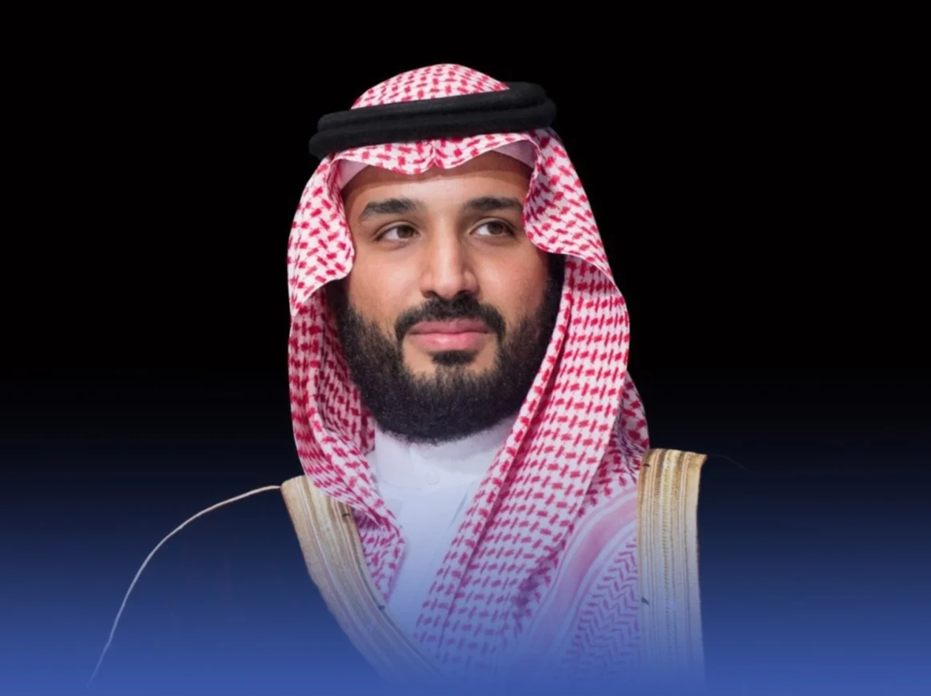
His Royal Highness Prince Mohammed bin Salman, Crown Prince and Prime Minister of Saudi Arabia, participated in a group call with U.S. President Donald Trump, alongside several regional leaders, including:
King Hamad bin Isa Al Khalifa of Bahrain,
Qatar’s Emir Sheikh Tamim bin Hamad Al Thani,
UAE President Sheikh Mohamed bin Zayed Al Nahyan,
King Abdullah II of Jordan,
Egyptian President Abdel Fattah el-Sisi,
Turkish President Recep Tayyip Erdoğan,
and Pakistan’s Army Chief Field Marshal Asim Munir.
The Brief
The call reviewed the latest regional developments amid the ongoing escalation linked to the U.S.–Israeli war with Iran, in addition to diplomatic efforts aimed at reaching an agreement that could ease tensions and strengthen regional security and stability.
Participants also expressed appreciation for President Trump’s commitment to consultation and coordination with regional leaders, while commending the mediation efforts led by:
Pakistan,
and Qatar,
to support de-escalation efforts and help bridge differences between the parties.
B Analysis
The call does not appear to be merely protocol-driven.
It reflects an attempt to build:
a “broad regional umbrella”
ahead of any final agreement with Iran.
What stands out is not only the number of participants,
but their political and geographic diversity,
spanning:
the Gulf,
Egypt,
Jordan,
Turkey,
and Pakistan.
This reflects a growing realization that any future agreement will not simply be a U.S.–Iran understanding,
but an arrangement carrying direct implications for:
Gulf security,
maritime corridors,
regional balances,
and influence dynamics across the region.
The prominent role of Pakistan and Qatar within the mediation track also signals movement toward:
more flexible,
less confrontational channels,
capable of communicating with all sides during an exceptionally sensitive phase.
At the same time,
Washington appears keen to send an important message:
that any potential understanding with Iran will not happen in isolation from consultation with regional allies.
The key question now is:
Is an agreement truly approaching?
Or is the region entering a phase of:
“managing de-escalation”
rather than fully resolving the conflict?