



Jeddah Municipality Elevates Smart Hajj Route Readiness
Jeddah | B | بث
Dhul Hijjah 06, 1447 AH — May 23, 2026
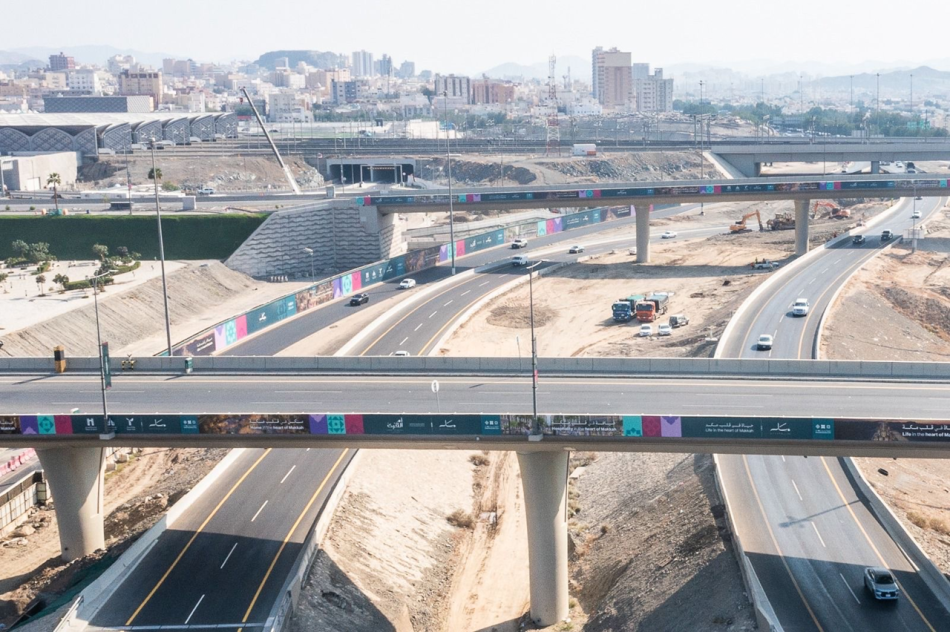
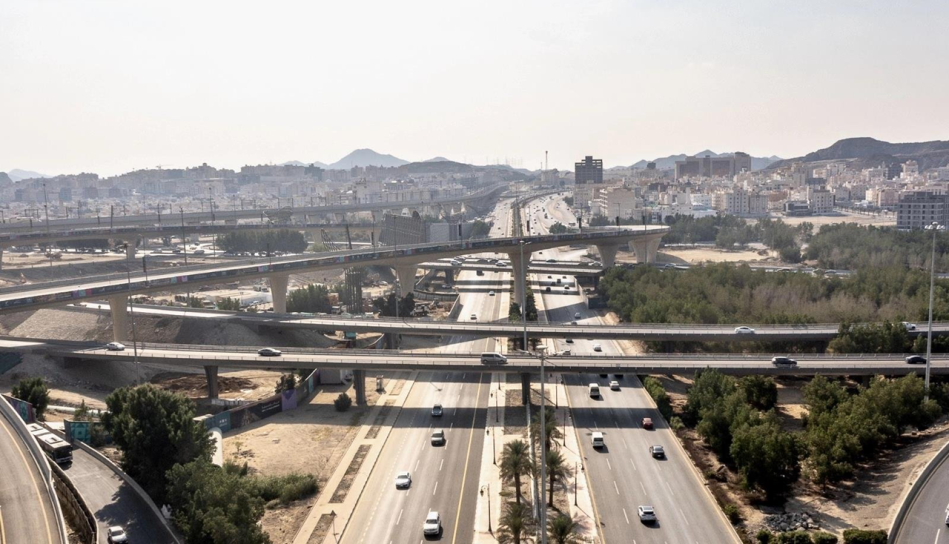
Jeddah Municipality has intensified its field readiness for the 1447 AH Hajj season through a broad operational and development plan aimed at upgrading infrastructure and improving the quality of roads and major routes leading to Makkah, enhancing traffic flow, safety levels, and services provided to pilgrims.
The Brief
These efforts come within a comprehensive strategy focused on:
integrating operational and preventive measures,
deploying advanced engineering solutions,
and upgrading infrastructure according to smart city and sustainable operational concepts.
The projects included the modernization of the lighting network along Prince Mohammed bin Salman محور and surrounding roads using a new generation of high-efficiency smart LED lighting systems supported by:
digital control,
remote operation,
smart dimming,
scheduled lighting systems,
and real-time energy consumption monitoring.
The municipality also implemented advanced pavement treatments to address road subsidence and groundwater-affected areas, in addition to deploying “Hot Sand Mix” asphalt technology to improve driving quality, reduce roughness, and enhance road safety standards.
Additional works included:
bridge maintenance,
replacement of expansion joints,
road resurfacing and asphalt rehabilitation,
concrete and asphalt coatings,
as well as the installation of guidance signs and traffic barriers along key routes.
Jeddah Municipality stated that these projects aim to:
improve mobility experience,
support rapid response by service and security agencies,
and enhance operational access to vital locations during the Hajj season.
B Analysis
What is happening in Jeddah cannot simply be viewed as seasonal maintenance work.
It is part of:
a smart operational ecosystem
preparing for one of the world’s most complex human gatherings.
Jeddah is not merely a transit city for pilgrims.
It is a primary operational gateway for Hajj,
handling enormous logistical and human pressure within a limited timeframe.
This is why:
roads,
lighting systems,
bridges,
signage,
and even asphalt mixtures,
become directly connected to:
safety,
traffic flow,
crowd management,
and emergency response efficiency.
The new projects also reflect Saudi Arabia’s transition from the concept of:
“expanding infrastructure”
to:
“smart infrastructure.”
Infrastructure capable of:
analysis,
monitoring,
flexible operations,
reducing failures,
and improving energy efficiency,
within a long-term sustainable operational philosophy.
During a season as massive as Hajj,
the quality of cities is not measured solely by appearance,
but by their ability to:
absorb pressure,
move efficiently,
and operate calmly under extreme conditions.
As the Day of Arafat approaches,
Jeddah appears almost like:
a massive operational control room
working behind the scenes to ensure that millions of journeys and pilgrim movements flow smoothly toward Makkah and the holy sites.