The World Toward Makkah
Prepared & Analyzed by | Strategic Media Department – B | بث
Makkah | B | بث
May 23, 2026
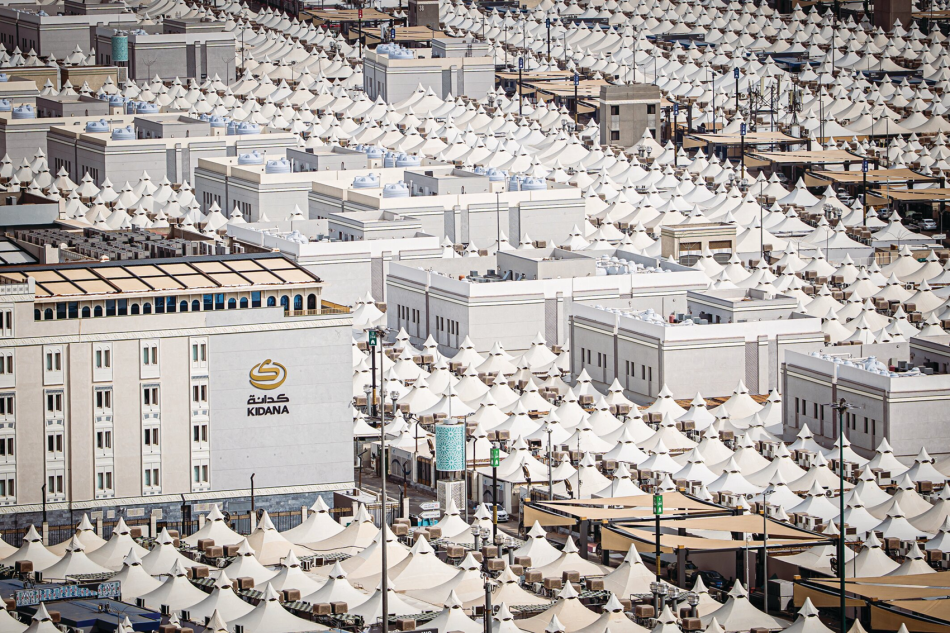
With only one day remaining before the Day of Arafat, and two days before Eid Al-Adha, Saudi Arabia is entering the most sensitive phase of Hajj operations, as pilgrim movement reaches its peak between Makkah and the holy sites, within one of the most complex organizational operations in the world.
Every year, Hajj is not merely a major religious occasion.
It becomes:
a global test of management,
organization,
services,
security,
healthcare,
transportation,
and the ability to manage millions of people within limited spaces and tightly synchronized timelines.
The Brief
This year, the holy sites are witnessing the operation of massive integrated systems, including:
shuttle transportation,
the Al-Mashaer train,
bus networks,
cooling and misting systems,
healthcare services,
smart guidance systems,
alongside extensive use of modern technologies and artificial intelligence to monitor and manage pilgrim movement in real time.
Saudi authorities have also elevated readiness levels across:
civil defense,
the Red Crescent,
hospitals,
security sectors,
and emergency services,
to ensure immediate response to any potential incident, particularly amid rising temperatures and intense crowd density during the peak days of Hajj.
Tens of thousands of:
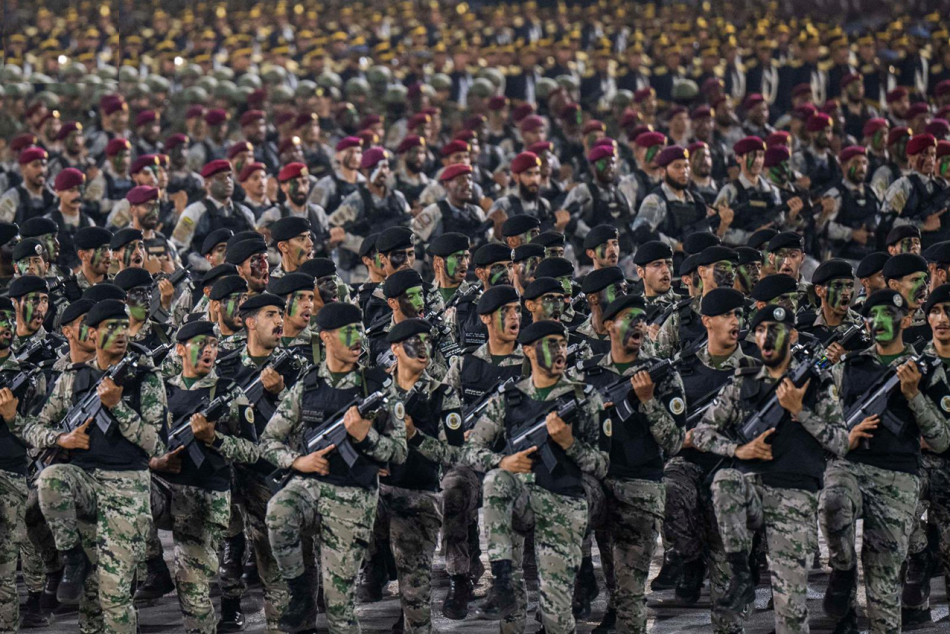
security personnel,
medical teams,
volunteers,
and operational staff,
are participating in what is considered one of the world’s largest seasonal operational mobilizations.
Saudi Arabia also continues accelerating infrastructure development across the holy sites through:
road expansions,
bridge upgrades,
capacity enhancements,
and advanced digital services,
to accommodate the continuous annual growth in pilgrer numbers.
B Analysis
What takes place during Hajj cannot simply be described as:
“organization.”
It is an extraordinarily complex management ecosystem operating within one of the world’s most sensitive human environments.
Hajj is not a homogeneous crowd.
It is millions of people arriving from:
different cultures,
different age groups,
different languages,
and varying health and psychological conditions.
And here, the true value of Saudi Arabia’s accumulated expertise becomes evident.
The Kingdom is not managing an ordinary event.
It is managing:
the largest concentrated recurring human movement on Earth.
Anyone observing the movement between:
Mina,
Arafat,
and Muzdalifah,
quickly realizes that the matter extends far beyond traditional services into:
a fully developed science of crowd and crisis management.
Today, the world studies models for disaster response,
sports crowd control,
and mega-event operations.
Yet the Saudi Hajj experience remains unique because it combines:
massive human density,
extreme time sensitivity,
spiritual significance,
and logistical complexity,
all at once.
Over recent years, Saudi Arabia has moved beyond relying solely on human expertise,
entering the phase of:
“smart crowd management.”
Through:
real-time movement analysis,
artificial intelligence,
digital monitoring,
and dynamic crowd-flow management driven by live operational data.
More importantly, Hajj now reflects another dimension of modern Saudi Arabia:
a nation capable of integrating:
spirituality,
technology,
security,
services,
and modern management.
With the Day of Arafat approaching, global attention turns toward one of the Islamic world’s most symbolic scenes:
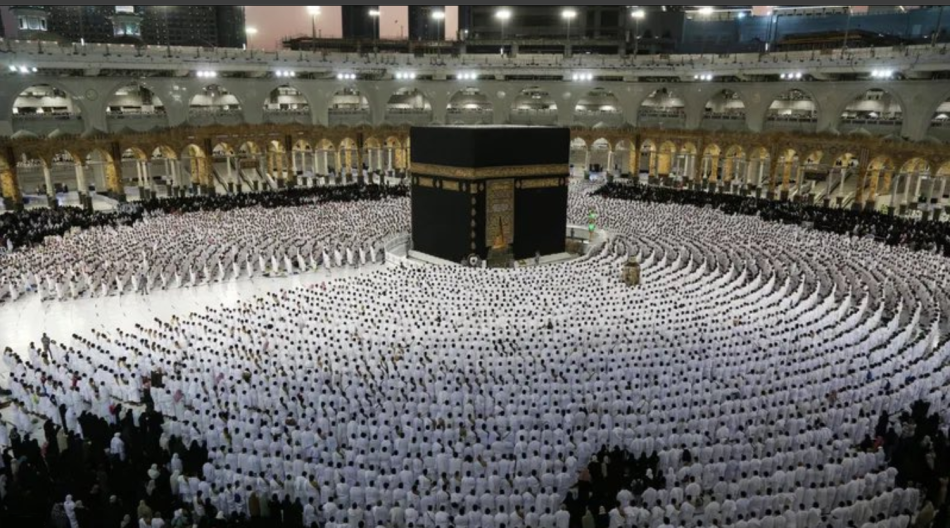
millions dressed in unified white garments,
sharing one prayer,
within a massive human movement managed with a precision that has become part of Saudi Arabia’s accumulated expertise across decades.