
Riyadh Showcases Smart City Model in Baku
Baku | B | May 19, 2026
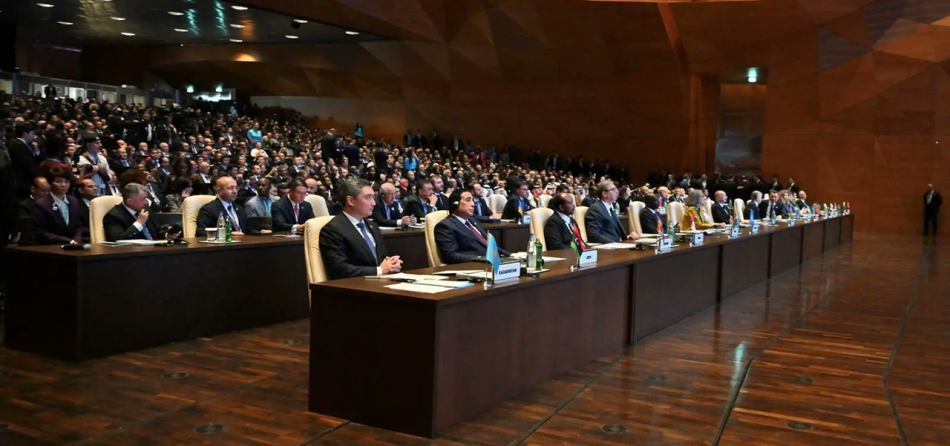
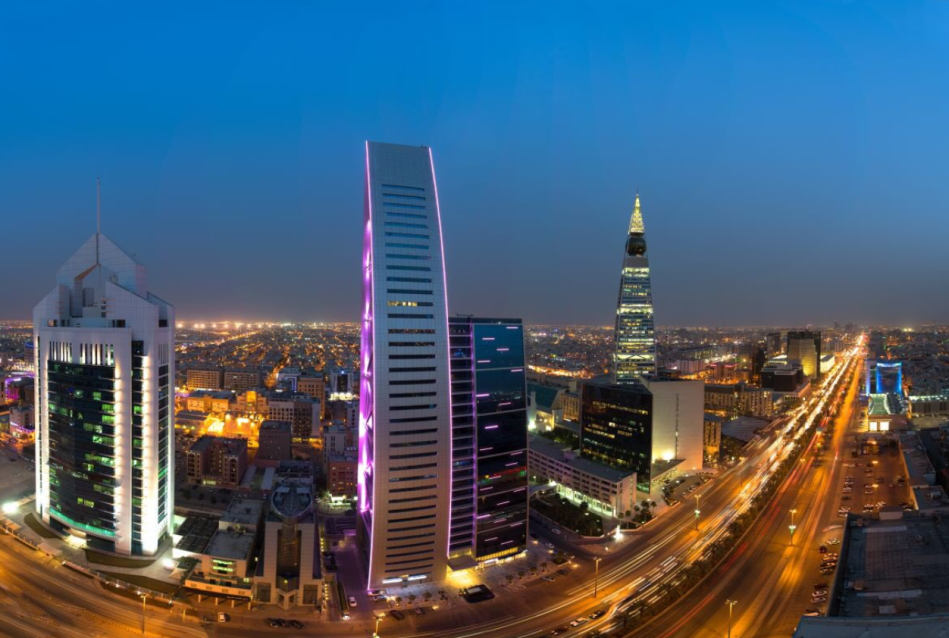
The Riyadh Municipality participated in a dialogue session during the World Urban Forum (WUF13), held in Baku, Azerbaijan, presenting Riyadh’s experience in managing rapid urban growth through data-driven planning models aimed at improving quality of life across neighborhoods.
Presentation
Eng. Saleh Al-Saif, Assistant Undersecretary for Urban Planning at Riyadh Municipality, highlighted the city’s efforts to develop integrated urban solutions focused on:
improving access to daily services,
strengthening neighborhood connectivity,
enhancing infrastructure efficiency,
and utilizing spatial analysis and urban data tools.
Among the key tools presented were:
the Urban Data Center,
and the Neighborhood Assessment Framework, which includes 148 indicators covering:
public services,
infrastructure,
environment,
and mobility,
supporting data-driven decision-making tailored to the needs of each neighborhood.
The session also reviewed Riyadh’s “15-Minute City” initiative, designed to measure residents’ access to essential services within a short travel time, improving livability while reducing dependence on long-distance commuting.
Riyadh Municipality further showcased Al-Falah district in northern Riyadh as a pilot urban model. The district spans 4 square kilometers and is home to more than 38,000 residents, with development phases that included:
urban data collection and analysis,
identifying gaps,
developing preliminary and final designs,
enhancing connectivity to transport networks,
expanding flexible mobility routes,
and implementing shading and greening plans.
B Analysis
What Riyadh is presenting today goes beyond traditional urban planning.
It reflects a shift toward smart urban management built on:
data,
quality of life,
efficient mobility,
and bringing essential services closer to residents.
Riyadh’s presence at the World Urban Forum highlights the Saudi capital’s emergence as a global example of how rapidly growing cities can maintain livability while managing expansion effectively.
The “15-Minute City” model also reflects Riyadh’s early adoption of a global urban trend focused on creating cities that are:
more human-centered,
less dependent on long commutes,
and more sustainable.
At its core,
modern cities are no longer measured only by skyscrapers and highways,
but by their ability to:
bring daily life closer to people,
and create communities where services reach residents…
instead of residents constantly chasing services.