
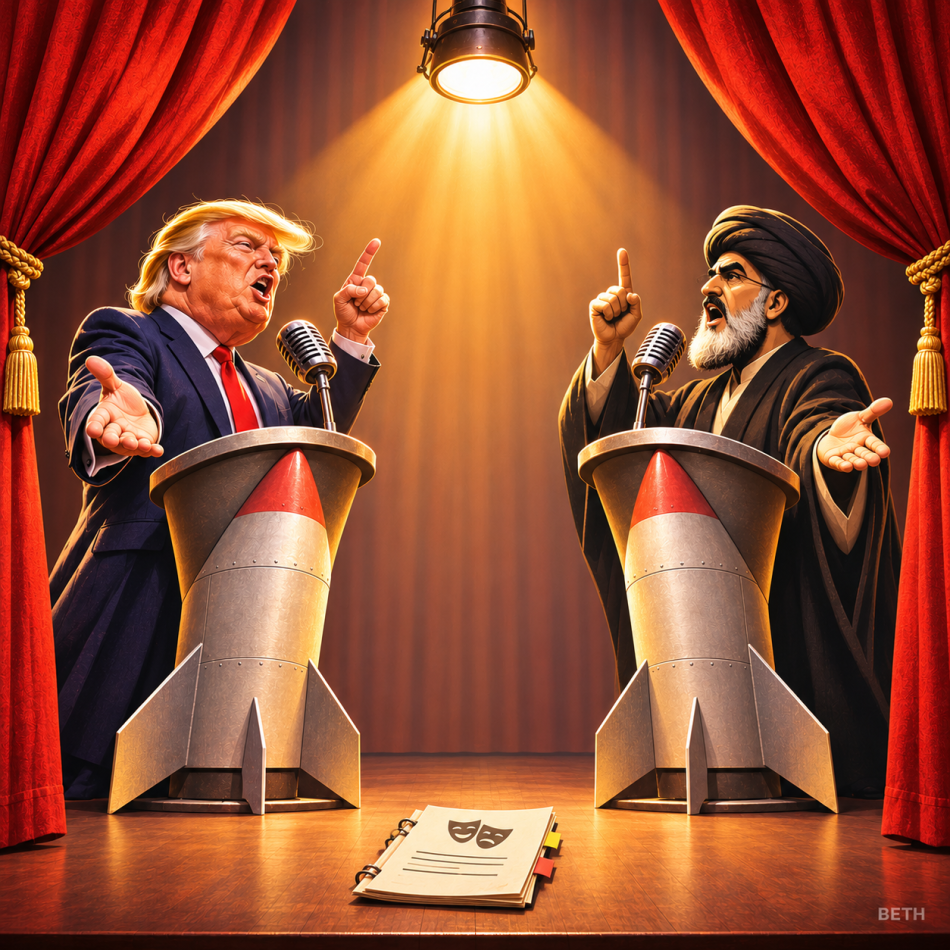


Wars Around the World | Washington Signals an End to the War with Iran
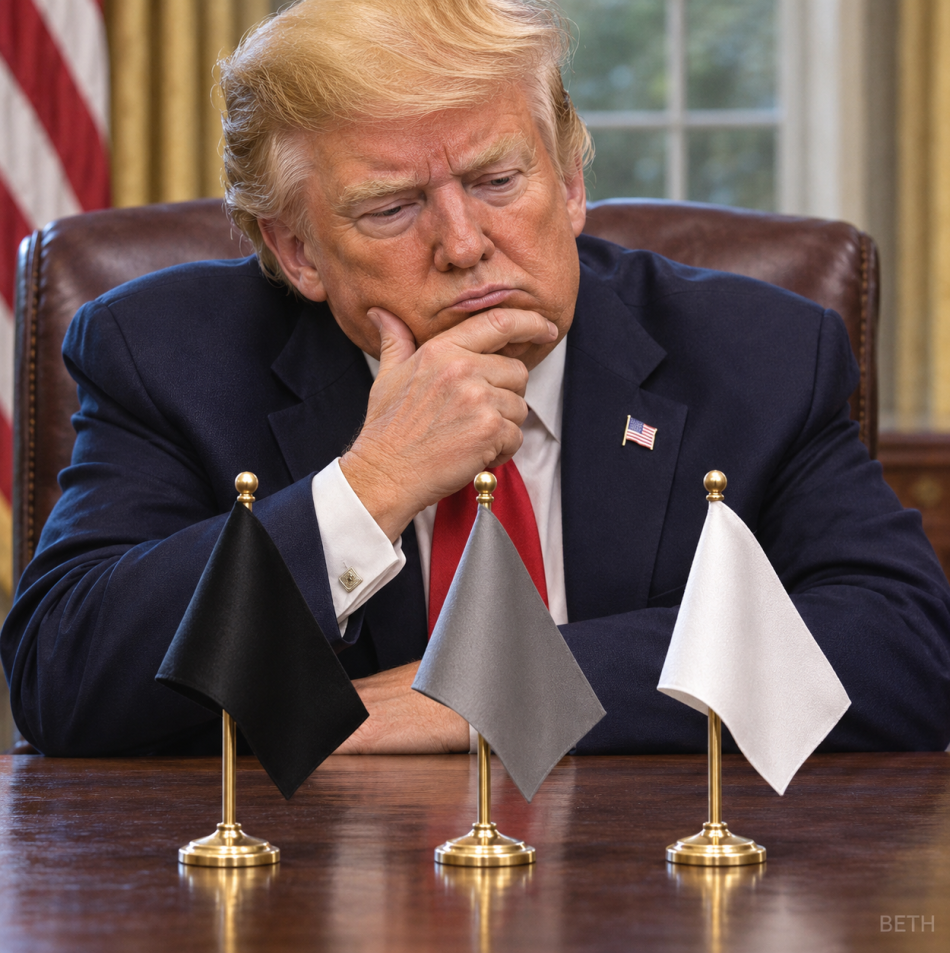
Trump announces progress toward a settlement following his meeting with Qatar's Prime Minister, but the blockade of Iran remains in place and the Strait of Hormuz has yet to reopen. In Yemen, operations continue against the terrorist Houthi militia's military capabilities, while Ukraine faces renewed escalation involving drones.
Riyadh | BETH
Tuesday, November 10, 2026
Prepared and Analyzed by | Strategic Media Department – BETH Agency
US–Iran War | Peace Statements, Continuing Blockade
US President Donald Trump announced, following his White House meeting with Qatar's Prime Minister and Minister of Foreign Affairs, Sheikh Mohammed bin Abdulrahman Al Thani, that the war with Iran was "effectively over militarily," citing positive progress toward an agreement and saying the resumption of US strikes had become highly unlikely.
He explained that Washington would maintain its current military posture, including the naval blockade of Iranian ports and Operation "Iron Gate," aimed at restricting commercial movement by land and sea. He reaffirmed his commitment to preventing Iran from acquiring a nuclear weapon while keeping US forces ready to act if necessary.
For his part, the Qatari Prime Minister described his talks with Trump and Vice President JD Vance as positive, reaffirming ongoing efforts to reach an agreement that would restore peace to the region.
Hormuz | Phased Proposal Without an Agreement
The proposal under discussion includes lifting the US blockade and releasing some frozen Iranian assets in exchange for allowing international inspectors to return to nuclear facilities. The Strait of Hormuz would then reopen at a later stage, alongside the resumption of nuclear negotiations.
However, the proposal has not developed into a binding agreement, and navigation through the strait remains restricted.
In a recent maritime development, US Central Command announced that it had disabled a commercial vessel in the Gulf of Oman after it attempted to bypass the blockade. Meanwhile, reports indicated that two tankers had struck mines in the strait.
Separately, Iranian sources reported renewed strikes on Qeshm Island, which US military command has not publicly confirmed.
BETH Analysis: Trump's statements reveal a shift in rhetoric toward a settlement without a corresponding change in the tools of confrontation. The blockade continues, Hormuz remains closed to normal traffic, and the nuclear dispute persists. The real test is not announcing that the war is nearing its end, but taking reciprocal, actionable steps.
The latest maritime monitoring indicates that vessel traffic has not stopped completely, although it remains approximately 65% below pre-war levels. New incidents were recorded near Musandam, including an attack on a tanker and the evacuation of its crew on November 9.
Yemen | Missile Production Facilities Targeted, Advances in Lahj
The Coalition to Support Legitimacy in Yemen announced the destruction of three facilities belonging to the terrorist Houthi militia, including a ballistic missile components factory, a solid rocket fuel production facility, and an electronics laboratory used to assemble missile systems.
The announcement followed the coalition's earlier destruction of three missile launchers in Saada and Sanaa.
On the battlefield, government forces announced the capture of new positions along the Al-Muhawala front in western Lahj, while continuing their advances in Al-Jawf and engagements around Taiz as part of Operation "Dawn of Yemen."
These developments followed Monday's attack on the East–West Oil Pipeline in Saudi Arabia's Madinah Region, where a limited fire was extinguished without injuries or disruption to operations, according to the Saudi Ministry of Energy.
Ukraine | 162 Drones and a Ballistic Missile
The Ukrainian Air Force announced that the country had come under a Russian attack during the night of November 9–10 involving 162 drones and an Iskander-M ballistic missile.
Ukrainian forces reported intercepting or neutralizing 135 drones, with impacts recorded at 19 locations.
The attack followed a day in which energy facilities in Ukraine were targeted, while a Ukrainian strike hit a Russian oil refinery in Kirishi, in the Leningrad Region, causing a fire.
Attention is now turning to Abu Dhabi, where US–Russian–Ukrainian talks are expected to take place on November 10–11 to discuss security guarantees, territorial disputes, and ways to end the war, with no prior agreement on the fundamental issues.
Saudi Arabia and Yemen | Three Missiles and a Drone Intercepted
The Coalition to Support Legitimacy announced early Tuesday that it had intercepted and destroyed a ballistic missile and a cruise missile targeting Riyadh, another ballistic missile heading toward Saudi Arabia's southern region, and a drone in the Eastern Province, all launched by the terrorist Houthi militia.
Saudi Civil Defense issued early warnings in the targeted areas before announcing that the danger had passed.
Gaza | Heavy Rains Deepen the Plight of Displaced Families
The United Nations announced that the shelters and belongings of more than 26,000 families had been damaged by heavy rains and flooding, with already-damaged buildings collapsing, tents inundated, and essential services disrupted.
The collapse of a sand barrier onto displaced families' tents near Deir Al-Balah also caused casualties.
The "Board of Peace" warned of a humanitarian emergency and called for the accelerated delivery of winter shelter supplies, while reconstruction arrangements remain stalled.
Sudan | Drones Continue to Damage Infrastructure
The consequences of attacks on power stations continue, with electricity outages affecting hospitals, water supplies, and essential services.
Reports indicate that part of the fighting between the Sudanese Armed Forces and the Rapid Support Forces has shifted toward targeting infrastructure and supply lines, while clashes continue in Kordofan and Blue Nile.
No reliable new battlefield casualty figures were available from the sources reviewed for Tuesday morning.
BETH Analysis | Peace Statements Do Not End Wars
Today's developments reveal a clear paradox: Washington speaks of a military end to the war with Iran while maintaining its blockade. In Abu Dhabi, efforts to resolve the war in Ukraine are resuming amid continued attacks, while the humanitarian cost continues to rise in Gaza and Sudan.
The question remains: Are these wars beginning to move toward genuine settlements, or is diplomacy still proceeding alongside the continued use of military force?