
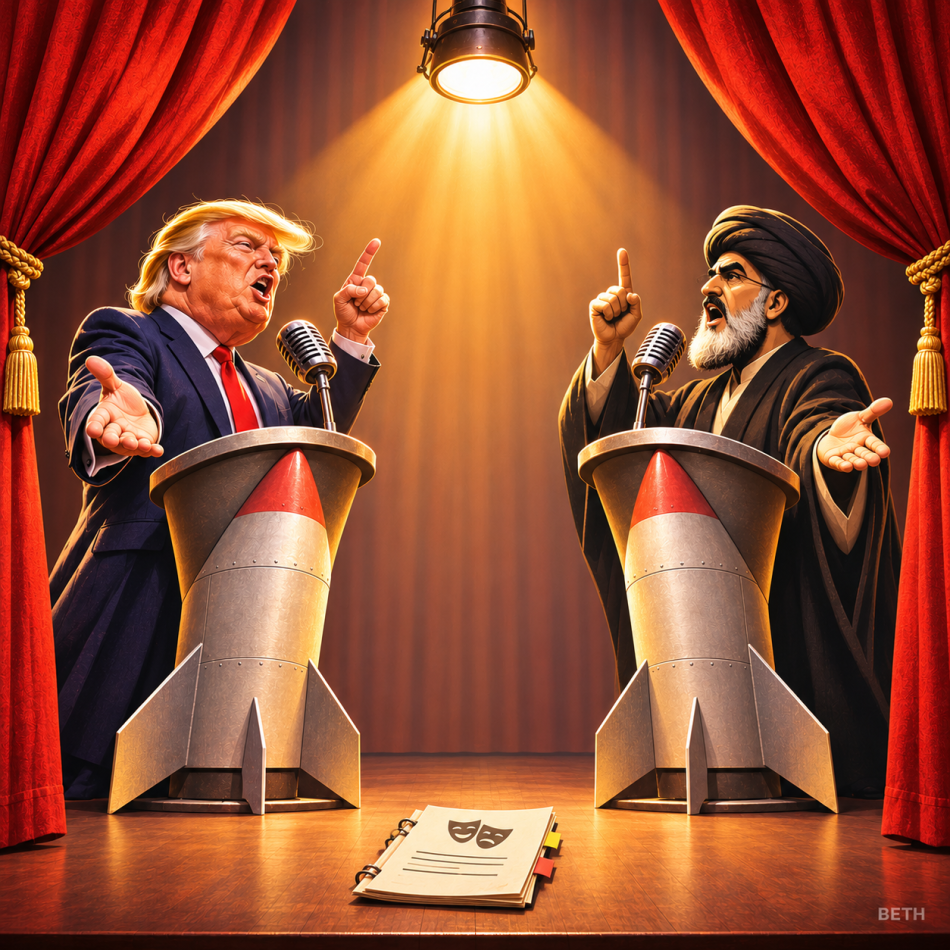


Trump Chooses Confrontation After Electoral Defeat
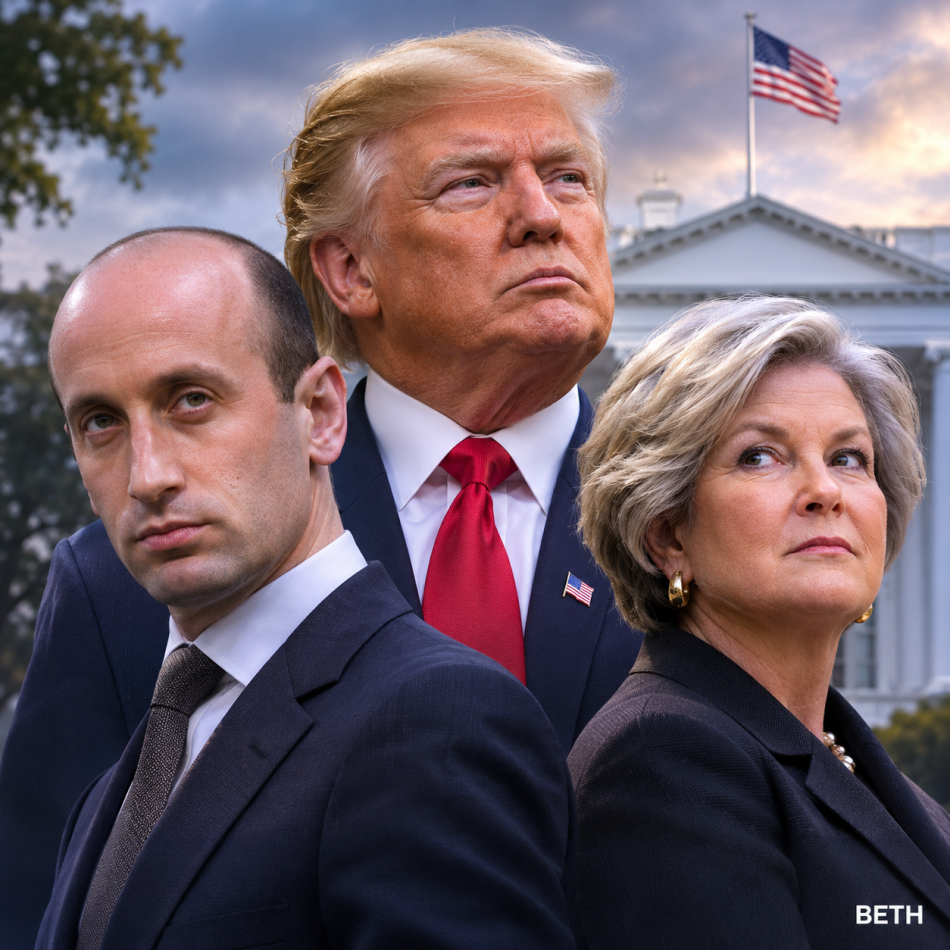
The appointment of Stephen Miller as White House chief of staff following the Republicans’ loss of both chambers of Congress opens a new phase of domestic political confrontation and raises questions about the future of U.S. policy and the war with Iran.
Riyadh | BETH
November 7, 2026
Prepared and Analyzed by | Strategic Media Department – BETH News Agency
U.S. President Donald Trump has chosen one of his most hardline advisers to manage the White House, three days after his party’s defeat in the congressional elections, in a move suggesting that he may remain committed to his policies and confront the Democratic opposition rather than seek a political compromise.
On Friday, Trump announced the appointment of Stephen Miller as White House chief of staff, effective Monday, November 9, replacing Susie Wiles, who will move to a role within his political team.
The decision came after Republicans lost control of both the House of Representatives and the Senate, placing the administration in a new phase of congressional oversight and legislative constraints.
Who Is the New Chief of Staff?
Stephen Miller, 41, has been one of Trump’s closest advisers since 2016 and a leading architect of his immigration and deportation policies, as well as an advocate of expanding executive authority.
He previously served as White House deputy chief of staff, wielding considerable influence over domestic policymaking before moving into a position responsible for managing the president’s operations and coordinating relations between government institutions and Congress.
Susie Wiles, who managed Trump’s 2024 presidential campaign, was known for her ability to organize White House operations and manage disagreements among senior officials.
The change therefore goes beyond personnel, reflecting a clear difference in political backgrounds and management styles.
Why Did Trump Choose Miller?
The timing carries significant political implications.
Following the loss of Congress, Trump faces two options: adjust some of his policies to cooperate with the Democratic majority or continue pursuing his agenda by relying more heavily on executive authority.
Miller’s appointment suggests a possible preference for the second approach, particularly given the new chief of staff’s record of defending Trump’s policies and his willingness to engage in political and legal confrontations to implement them.
However, this approach will encounter a different political reality. Democrats can use congressional powers to conduct investigations, oversee spending, and influence legislation, while executive actions remain subject to legal and judicial constraints.
What About the War With Iran?
The significance of the change increases as the U.S.–Iran war continues and domestic debate grows over its costs and outcomes.
Miller supports the use of military force, which could strengthen the influence of hardline voices within the president’s decision-making circle.
Nevertheless, his appointment does not necessarily mean an expansion of the war. Military decisions depend on the assessments of the president, the Department of Defense, and military commanders, as well as economic consequences and international positions.
The real test will be how the new White House leadership responds to diplomatic initiatives and opportunities for a settlement, and how far congressional opposition can influence decisions concerning the war and military spending.
BETH Analysis | Confrontation Rather Than Retreat?
The significance of the decision lies in the fact that Trump has not merely replaced the official responsible for managing the White House. He has chosen a figure closely associated with some of his most controversial policies at a time when Congress is controlled by his political opponents.
This could signal a shift from an administration focused on implementing its agenda with the support of a Republican majority to one defending that agenda against an opposition equipped with extensive legislative and oversight powers.
In foreign policy, allies and adversaries alike will be watching to see whether the change leads to a tougher U.S. approach or whether the new political balance pushes Washington to reconsider some of its choices.
The conclusion is that Trump has changed the White House leadership following his electoral defeat, but he has not yet publicly demonstrated a willingness to change his policies.
The question remains: Will a tougher approach give Trump greater ability to implement his agenda, or will it trigger a prolonged confrontation with Congress that constrains his decisions at home and abroad?