
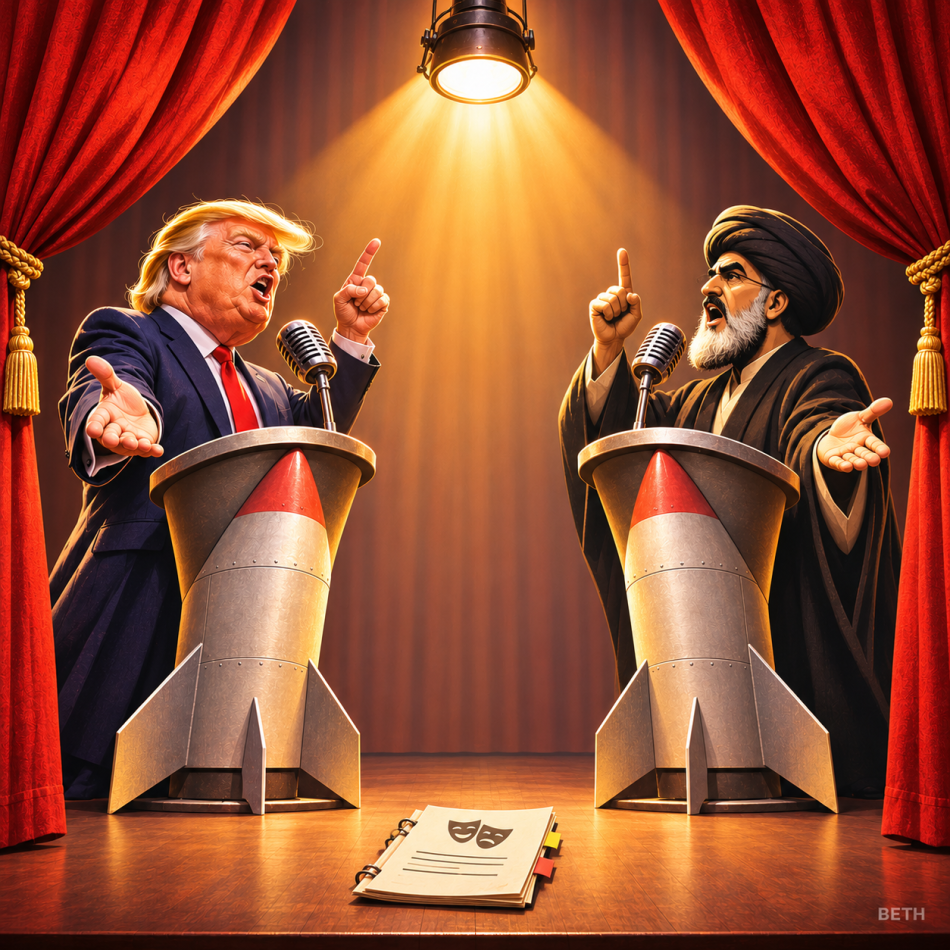


World Wars | Escalation Tests Prospects for Peace
Saturday, November 7, 2026
A new U.S. strike on Iran despite ongoing mediation efforts, advances by Yemeni government forces in Operation “Dawn of Yemen” amid the interception of Houthi threats, while other wars remain a source of humanitarian and security exhaustion.
Riyadh | BETH
Prepared and Analyzed by | Strategic Media Department – BETH News Agency
U.S.–Iran War | Day 246
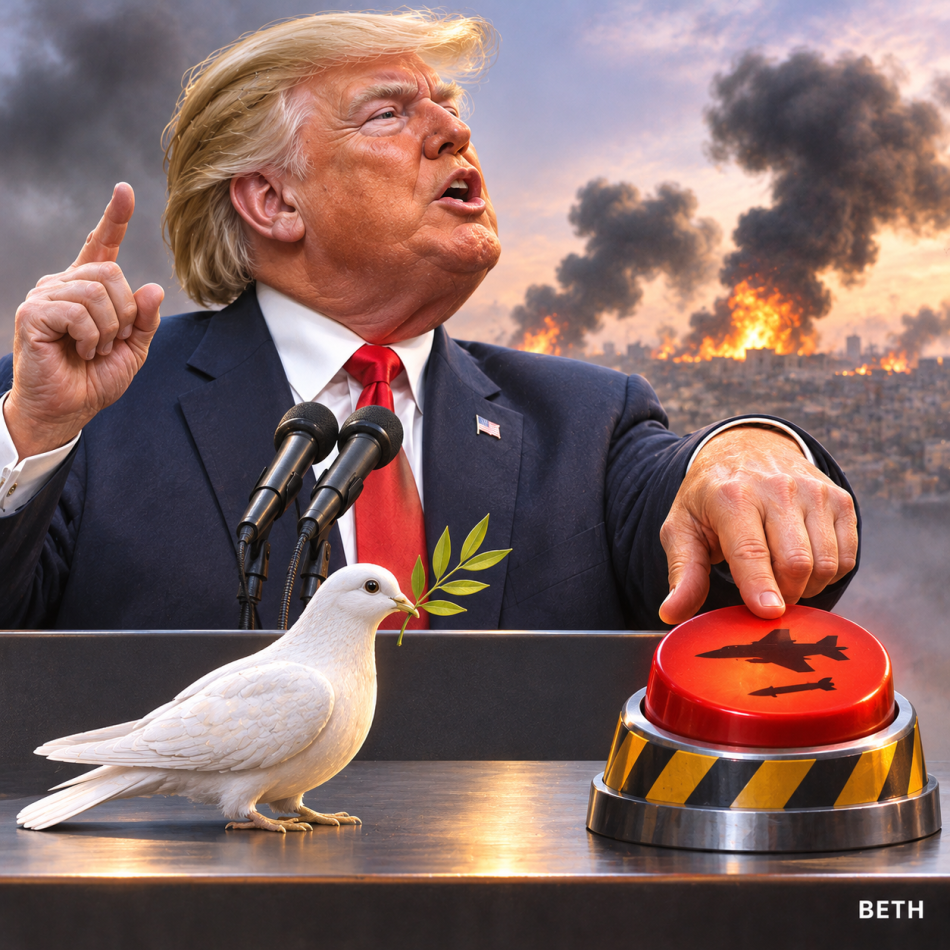
U.S. President Donald Trump revealed that the U.S. military carried out a new strike on an air defense facility in Iran on Friday, describing the operation as limited and swift.
Speaking to reporters shortly after arriving in West Palm Beach, Florida, on Friday evening, Trump said: “They built a small air defense facility, but we completely destroyed it within 15 minutes, or perhaps within 5 minutes.”
The U.S. president provided no further details about the operation and did not identify the location of the targeted facility, merely describing the strike as “limited.”
His remarks coincided with reports of two explosions heard in the Suza area of Iran’s Qeshm Island, located in the Strait of Hormuz, without official confirmation of any connection between the explosions and the operation announced by Trump.
The strike comes after the Republicans’ defeat in the congressional elections and amid continuing diplomatic contacts through Qatar.
The Qatari prime minister urged Washington and Tehran not to wait for ideal conditions to reach an agreement, while maritime security in the Strait of Hormuz remains one of the main points of contention.
BETH Analysis: The strike shows that Washington continues to use limited military force alongside negotiations. However, the results of the U.S. elections increase the political cost of continuing the war without guaranteeing a faster settlement.
Dawn of Yemen | Day 35
Field Advances and Intensified Targeting of the Houthis
Yemeni government forces announced that they had carried out 1,298 targeting operations against Houthi positions and reinforcements, achieving advances on the ground in Taiz and Al-Jawf, with clashes continuing on several fronts.
The Yemeni Presidential Leadership Council affirmed that the operation would continue until state institutions are restored and the coup is brought to an end.
In Saudi Arabia, the official spokesperson for the Coalition to Support Legitimacy in Yemen, Major General Turki Al-Maliki, announced the interception and destruction of a cruise missile launched by the terrorist Houthi militia toward the Riyadh Region on Saturday.
The coalition had also announced on Friday the interception and destruction of a drone in the Riyadh Region, as attempts to target Saudi territory continued.
BETH Analysis: The field advances by Yemeni forces reflect the continuation of operations aimed at restoring state institutions, while the targeting of the Riyadh Region with a cruise missile and a drone over two consecutive days indicates a Houthi escalation aimed at expanding the scope of the confrontation.
Gaza and Lebanon | Fragile Calm
Security tensions and humanitarian conditions continue to put prospects for stability to the test, while protecting civilians, consolidating the ceasefire, and preventing the expansion of confrontations remain urgent priorities.
Sudan | War Exhausts Civilians
The humanitarian consequences of the war continue, with growing food needs and shortages in humanitarian funding. The World Food Programme warns that it may be forced to reduce assistance to hundreds of thousands of people in need by the end of the year.
Ukraine | A Prolonged War of Attrition
The Russia–Ukraine war continues without a comprehensive settlement, while the future of negotiations remains tied to the military and political positions of the parties concerned.
BETH Analysis | Force Alone Does Not Make Peace
In the U.S.–Iran war in particular, the challenge has become twofold: Washington faces domestic political repercussions, Tehran faces military and economic attrition, while risks to maritime navigation and energy continue to increase.
The question is: Will the cost of continuing the wars push the parties toward a settlement, or does each side still believe that another round will secure better terms?