



World Wars | Military Resolution Takes Precedence Over Settlements
Friday, November 6, 2026
The United States is considering new strikes against Iran following the congressional elections, while the Yemeni government announces the results of one month of Operation “Dawn of Yemen,” as other wars continue amid growing military and humanitarian challenges.
RIYADH | BETH
Wars around the world enter another day in which military calculations take precedence over opportunities for settlement, as the US-Iranian confrontation continues and the Yemeni government's military operations against the terrorist Houthi militia expand, while diplomatic efforts have yet to produce a decisive breakthrough.
US-Iranian War | Day 246
Washington Considers Expanding Strikes
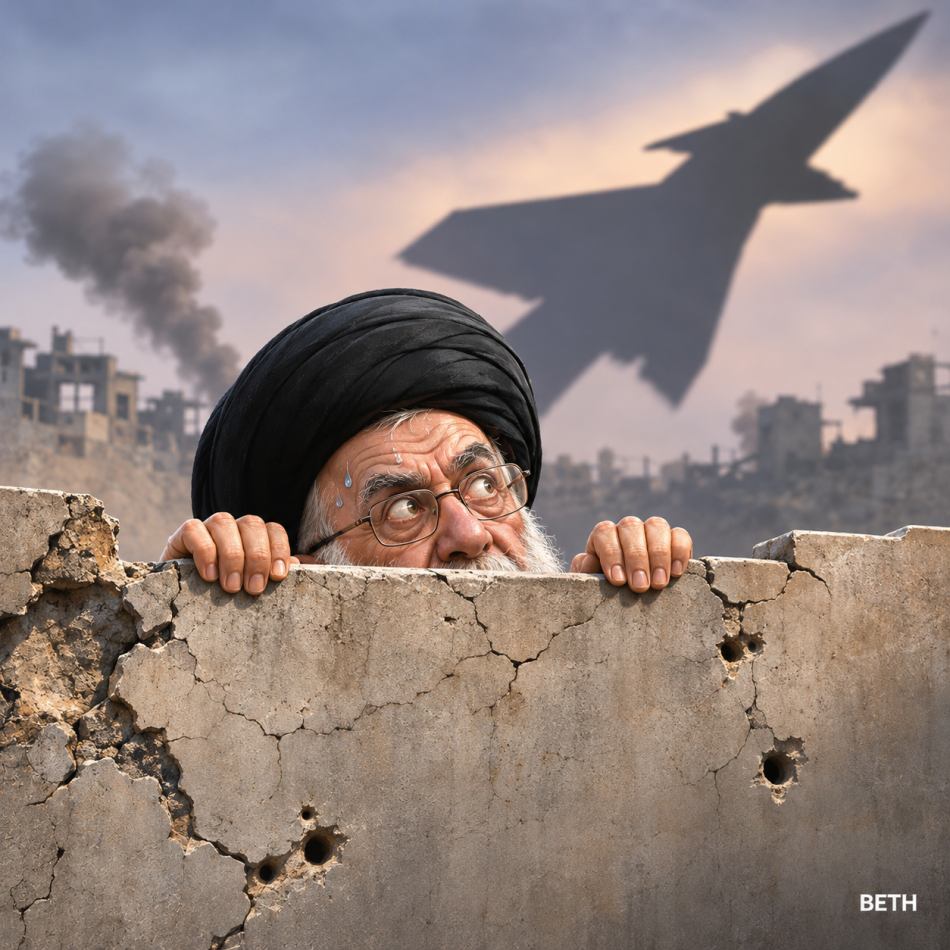
President Donald Trump's administration is considering options for launching new strikes against Iranian targets following the congressional elections, alongside continued indirect communications through Qatar.
These developments follow limited US strikes on Qeshm Island near the Strait of Hormuz, while maritime navigation and regional security remain among the main issues in the confrontation.
Washington faces a decision that combines restoring military deterrence with seeking a settlement that would prevent the war from continuing.
Strait of Hormuz Threatens Shipping and Negotiations
Risks to maritime navigation in the Strait of Hormuz and the Arabian Gulf have escalated, with Iranian forces announcing that oil tankers had struck naval mines and caught fire, while a maritime incident report indicated an explosion near Oman's Musandam Peninsula. These developments have heightened concerns over shipping security and energy supplies.
Politically, diplomatic contacts through Qatar, Russia, and regional countries have intensified, as US President Donald Trump considers options for resuming military operations. Tehran continues to insist on preconditions for negotiations and reopening the Strait of Hormuz, while Washington maintains its position on addressing the nuclear issue.
BETH Analysis | Maritime security has become part of the negotiating equation. Iran is leveraging its geographical position to strengthen its negotiating terms, while the United States retains military superiority and the option of escalation. Between these two approaches, the continued crisis is imposing growing costs on global trade and energy markets.
Yemen | Day 33 of “Dawn of Yemen”
More Than 40,000 Targeting Operations in One Month
The Yemeni Presidential Leadership Council announced that 40,761 targeting operations have been carried out since the launch of “Dawn of Yemen,” resulting in the neutralization of approximately 20,000 Houthi members and commanders and the destruction or disabling of more than 5,000 military vehicles and pieces of equipment.
The government affirmed that operations would continue to restore state institutions and end the militia's control, while government forces continue their operations on multiple fronts, including Al-Jawf and Taiz.
Taiz Human Rights Center: Documented 1,444 crimes and violations committed by the Houthi militia within one month.
Yemeni Government: The Houthi militia used a United Nations building in Mokha for military purposes. The government called on the United Nations and its relevant bodies to take urgent action to document any military use of its facilities, demand the removal of weapons and armed personnel from them, and take the necessary measures to protect these facilities and deter any threat targeting UN personnel and humanitarian facilities.
Yemeni Deputy Minister of Information Fayadh Al-Nu'man stated: Operation “Dawn of Yemen” consists of six phases.
Saudi Interceptions and Houthi Escalation
Coalition forces announced the interception and destruction of two ballistic missiles launched by the terrorist Houthi militia toward Najran, along with the interception of a drone in the Makkah Region, amid ongoing military confrontations in Yemen.
The attacks are part of an escalation targeting Saudi territory, coinciding with the continued “Dawn of Yemen” operation to reclaim areas under the militia’s control.
BETH Analysis | The continued launch of missiles and drones reveals the militia’s intention to expand the confrontation beyond Yemeni territory, while the interceptions demonstrate the effectiveness of Saudi air defenses. However, successful interceptions do not diminish the gravity of the attacks or the risks they pose to regional security and stability.
Gaza and Lebanon | Continued Violations
Limited Israeli strikes continue in the Gaza Strip and southern Lebanon, amid concerns that continued targeting could undermine the ceasefire arrangements and lead to a renewed expansion of the confrontation.
Sudan | War Targets Vital Services
Sudanese military sources announced that more than 180 drones had been detected over two months, while power stations and markets were subjected to repeated attacks, causing service disruptions and deepening the humanitarian crisis.
The shift toward targeting energy facilities and infrastructure reflects a change in warfare tactics, with consequences extending beyond military front lines to the lives of millions of civilians.
Ukraine | Reciprocal Strikes and Political Movement
Ukrainian drones targeted an oil refinery in southern Russia, while strikes continue to be exchanged between the two sides. In Washington, Trump spoke of an approaching agreement to end the war, without announcing specific details or a timetable for reaching it.
BETH Analysis | Where Are the Wars Heading?
The objectives of the warring parties differ, but the situation reveals a common trend: attempts to improve military positions before making political decisions.
While Washington seeks to determine its options toward Iran, the Yemeni government continues its operations to restore the state. Meanwhile, the war in Sudan is increasingly targeting the essential foundations of daily life, and Ukraine remains caught between continued fighting and opportunities for negotiation.
The question is: Will military developments lead to settlements in the near future, or to a new phase of longer and more costly wars?
Prepared and Analyzed by | Strategic Media Department – BETH News Agency