
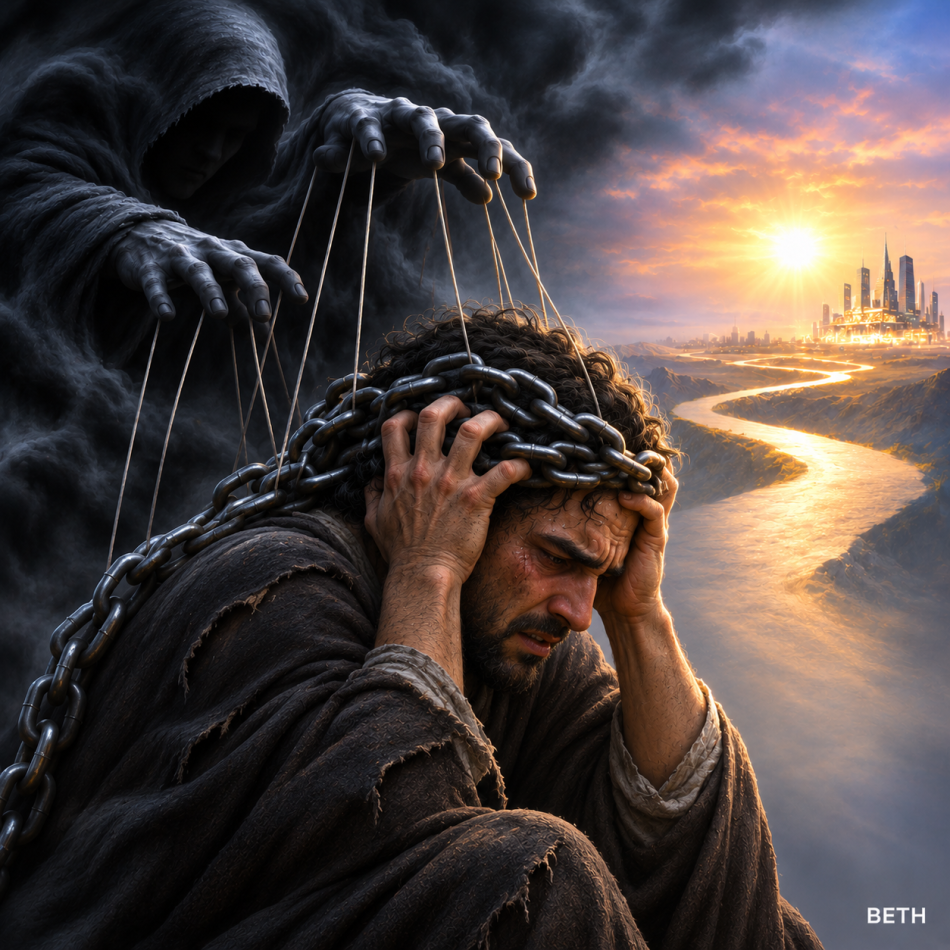


U.S. Midterm Elections Reshape Washington’s Balance of Power
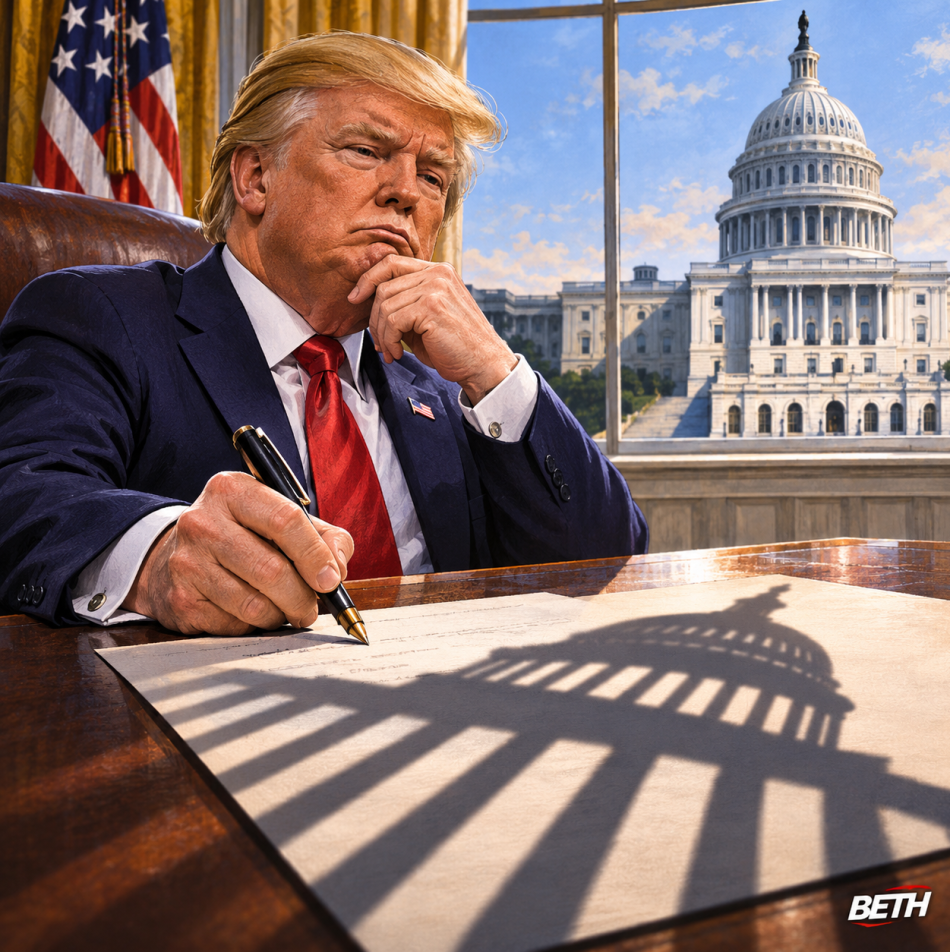
Democrats capture both chambers of Congress, leaving Trump to face his final two years in office with an opposition empowered to legislate and exercise oversight, as the region awaits the next phase of the war with Iran.
RIYADH | BETH
November 5, 2026
Prepared and Analyzed by | Strategic Media Department – BETH News Agency
The U.S. midterm elections on November 3 were more than a contest for congressional seats. They became a public test of President Donald Trump's policies, particularly the war with Iran, rising living costs, tariffs, and the limits of executive power.
The elections resulted in Democrats gaining control of both the House of Representatives and the Senate, ending Republican dominance over the executive and legislative branches and making electoral breakthroughs in states long regarded as Republican strongholds.
According to results announced as of November 5, Democrats secured 54 Senate seats against 44 for Republicans, with two seats still undecided. They also crossed the majority threshold in the House, gaining at least 30 seats.
The shift extended to gubernatorial and local elections, indicating that Republican losses were not confined to traditionally competitive areas.
Why Did Republicans Lose?
Three principal factors emerged.
The economy: Persistently high costs of living, food, energy, and healthcare, despite Trump's promises to improve Americans' purchasing power.
The war with Iran: The conflict became a domestic political issue as it affected fuel prices and government spending, raising questions about its objectives, duration, and cost.
Trust in government: Growing concerns over the concentration of power in the White House, inadequate congressional oversight, and controversies surrounding certain government decisions and dealings.
However, the outcome does not mean that Americans gave Democrats an unconditional mandate. Some voters supported the opposition primarily to punish the Republican administration rather than out of firm conviction in the Democratic platform.
What Did Trump Lose?
Trump did not lose the presidency or its constitutional powers, but he lost the legislative support that helped him advance his policies and appointments over the past two years.
Once the new Congress convenes, Democrats will be able to chair committees, summon officials, launch investigations, and scrutinize government spending and decisions, including the management of the war with Iran and immigration and trade policies.
Trump, meanwhile, retains his veto power and executive and military authorities. Democrats also lack the votes required to remove him from office on their own, even if impeachment proceedings begin in the House of Representatives.
U.S. foreign policy toward Israel, Ukraine, and the Gulf states will not automatically reverse, but it will face greater legislative scrutiny and bargaining, particularly over arms sales, sanctions, and military funding.
The United States is therefore entering a new phase: a Republican president who retains executive authority and a Democratic Congress empowered to investigate, obstruct, and hold the administration accountable.
Yet these results raise a question that goes beyond electoral competition: Is what is happening in Washington part of a calculated effort to advance American interests, or a partisan struggle capable of disrupting government decisions and affecting the wider world?
After the Elections: Who Runs America — National Strategy or a Struggle for Power?
The new Congress takes office in January. Trump retains executive authority, but wars, tariffs, and alliances are entering a different phase of scrutiny.
Is what is happening in the United States a calculated process guided by a long-term American strategy, or is Washington experiencing a genuine struggle between two parties competing for power and exposing each other's weaknesses before the world?
The answer lies in neither explanation alone.
The United States has established institutions and strategic interests that extend beyond political parties and presidents. Yet it is not a single command center in which every actor follows one coordinated plan.
American interests in preserving influence, economic power, and national security remain relatively constant. At the same time, partisan conflict is real, with competition over elections, budgets, and policies sometimes reaching the point of institutional paralysis.
Was Trump Surprised by the Defeat?
It is difficult to argue that Trump had not anticipated the possibility of losing Congress. Historically, midterm elections have posed risks for the president's party, while political and economic indicators had already pointed to declining Republican support.
However, losing both chambers, alongside setbacks in traditionally Republican states and districts, represents a more substantial blow than the ordinary loss of a congressional majority.
More importantly, Trump has not treated the outcome as grounds for a comprehensive reassessment of his policies. He acknowledged that the war with Iran contributed to the defeat, but defended the decision to go to war and did not announce any retreat from its objectives.
This exposes a central paradox: the president recognizes that his policies carried an electoral cost for his party, yet he has offered no clear indication that he intends to abandon their objectives.
Two possibilities therefore emerge: he may adjust his methods to reduce the political cost, or pursue more forceful decisions to consolidate his political legacy before his term ends.
What Changes in Trump's Decisions?
The elections do not strip the president of his executive powers, but they change the political environment in which he exercises them.
On tariffs, Trump can continue using certain executive authorities and trade laws that give the president room to act.
However, the new Congress can block legislation supporting his policies, investigate the effects of tariffs on consumers and businesses, and seek amendments to the laws on which his measures rely.
Some tariffs imposed by the administration are also subject to legal and time limitations, making their continuation dependent on additional judicial or legislative processes.
In foreign policy, the president retains a central role in managing international relations and military operations. Democrats, however, will have stronger tools to review spending, agreements, and military assistance, summon officials, and hold the administration accountable.
America's Allies: Can Washington's Commitments Be Trusted?
The president's party losing control of Congress is not unprecedented in American history. It happened in the 1994 and 2006 elections, while Republicans lost the House of Representatives during Trump's first term in 2018.
The deeper issue, however, concerns international confidence in the continuity of American policy.
Allies enter into long-term security and economic agreements with Washington, only to find themselves dealing with administrations and congressional majorities that may differ over priorities, funding, and commitments.
A change in congressional control does not automatically cancel agreements. Some are governed by binding legal obligations, but the implementation of political commitments, military spending, and assistance can be affected by shifts in the balance of power.
This is where the problem lies: the United States may remain a powerful ally, but partners unable to rely on the continuity of its decisions will seek additional guarantees and alternatives to reduce their dependence on Washington.
That is America's more consequential test: not merely its ability to make decisions, but its ability to honor them when political power changes hands.
Iran: Has One Chapter of the War Ended, or Is a More Dangerous One Beginning?
This is the most important question for the region.
The election results have increased the political cost of continuing the war, but they have not given Democrats immediate authority to stop it.
The president can issue military orders, and the war began in cooperation with Israel without prior congressional authorization.
Congress can use funding, legislation, and oversight to pressure the president, but military operations do not automatically cease when the congressional majority changes.
Notably, Trump has kept the military option available despite saying he was not planning immediate new strikes.
Meanwhile, diplomatic efforts have continued amid disagreements over American proposals and Tehran's conditions, with tensions persisting in the Strait of Hormuz.
Trump faces three possible courses of action:
A negotiated settlement: Reaching an agreement that allows him to declare the war's objectives achieved and provides Washington with a political and military exit, while addressing the nuclear issue and maritime security.
Limited escalation: Conducting additional strikes against military or nuclear targets to improve negotiating terms or compel Iranian concessions.
A broader confrontation: Resuming a wider military campaign, a course that would carry greater risks for energy prices, Gulf security, and international shipping, while potentially deepening the political crisis within the United States.
The preliminary assessment is that Trump's electoral defeat could push him toward a settlement to reduce the political cost, or toward escalation to demonstrate that he has not backed down.
It would therefore be premature to assume that the elections have ended the war. Equally, there is no conclusive evidence that further escalation is inevitable.
When Does the Second Chapter Begin?
Two dates must not be confused.
December 11, 2026: The scheduled expiration of temporary government funding, creating an early opportunity for negotiations over spending and the federal budget. However, the current Congress, with its Republican majorities, retains legislative authority until its term expires.
January 3, 2027: The constitutional start of the new Congress, when Democrats assume control of both the House and Senate, opening a new phase of oversight, investigations, and legislative confrontation.
Until then, Trump continues exercising his presidential powers while Democrats prepare for the next stage.
BETH Analysis | The Elections Did Not Change American Interests — They Changed the Cost of Pursuing Them
It would be a mistake to interpret the results as a complete Democratic victory or a definitive defeat for Trump.
The White House has not changed hands, military leadership has not transferred, and American interests in energy, trade, alliances, and security have not disappeared.
What has changed is the balance of oversight and the ability to advance decisions.
A new phase is beginning: a president determined to preserve his freedom of action, an opposition-controlled Congress seeking to constrain it, a Republican Party examining the reasons for its defeat, and Democrats facing the challenge of turning electoral victory into tangible results.
The war with Iran will be the most sensitive test of this new balance.
If Trump pursues a settlement, he will need to present it as an achievement rather than a retreat. If he chooses escalation, he will face more intense political and financial scrutiny, alongside regional and economic risks that could once again affect the American public.
The question the region should be watching is not who won the elections, but whether Washington will use its power to end the war through a settlement that safeguards Gulf security and maritime navigation — or whether domestic political conflict will drive it toward another military gamble before the new Congress begins exercising its authority.