
America After the Midterms | Trump Loses Congress
Democrats gain control of both the House of Representatives and the Senate, in a political shift that constrains Trump's agenda, puts the war with Iran and international relations to new tests, and raises questions about the future of US policy and global confidence in the continuity of American commitments.
RIYADH | BETH
November 4, 2026
Prepared and Analyzed by | Strategic Media Department – BETH Agency
Republicans lost control of both chambers of Congress in the midterm elections, less than two years after Donald Trump's return to the White House, in a shift that redistributes political power within the United States.
The results reflect voter dissatisfaction linked to rising living costs, the war with Iran, trade policies, and the president's approach to managing domestic and foreign affairs.
Why Did Republicans Lose?
Democrats made gains in states that have traditionally voted Republican, amid growing concerns over economic conditions and the continuing war.
The vote did not necessarily represent comprehensive support for the Democratic platform. Rather, it also reflected a desire among some voters to limit presidential power and hold the administration accountable.
This demonstrates the American electorate's ability to redistribute political power when policies and their outcomes fail to meet expectations.
Trump | A President Facing New Political Constraints
The results will not end Trump's presidency, but they will limit his ability to advance his legislative agenda beginning in January 2027.
Democrats will be able to block proposed legislation, launch congressional investigations, and influence the federal budget and appointments requiring Senate confirmation.
Trump, meanwhile, retains his constitutional and executive powers, including his authority over foreign policy and military command.
Washington is therefore entering a period of divided government that may witness repeated political and legislative confrontations, while requiring continued negotiation between the branches of government.
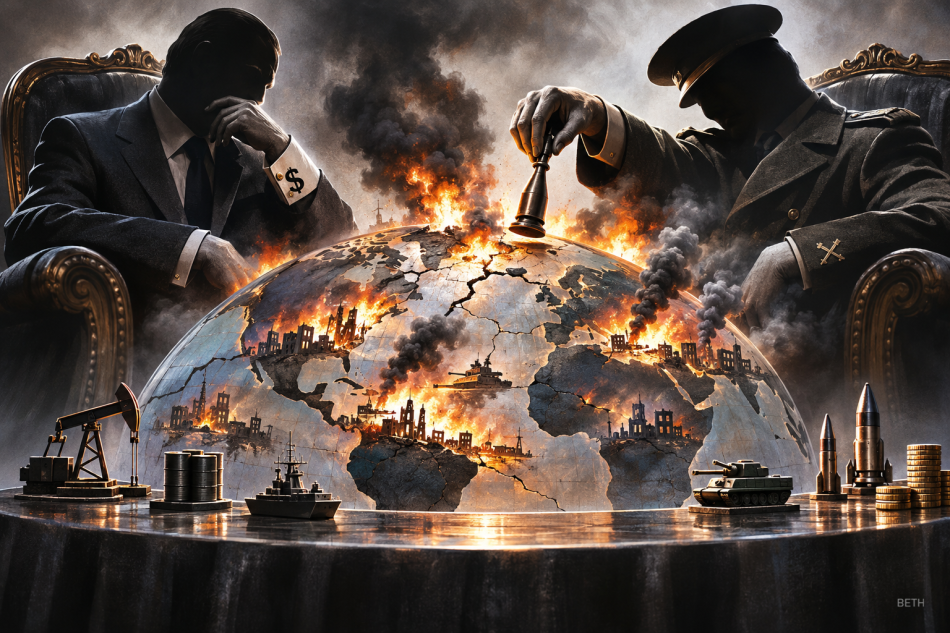
War with Iran | Will Decisions Change?
The war represents one of the administration's most significant challenges, as its continuation and economic costs have become matters of domestic political dispute.
The new Congress will allow Democrats to expand oversight of military objectives and funding and demand clarification of the conditions for ending the war.
However, Democratic control does not automatically mean an end to military operations, as the president retains extensive military authority within constitutional and legal limits.
The results could encourage an expanded diplomatic approach or trigger a political confrontation between the White House and Congress over the management and continuation of the war.
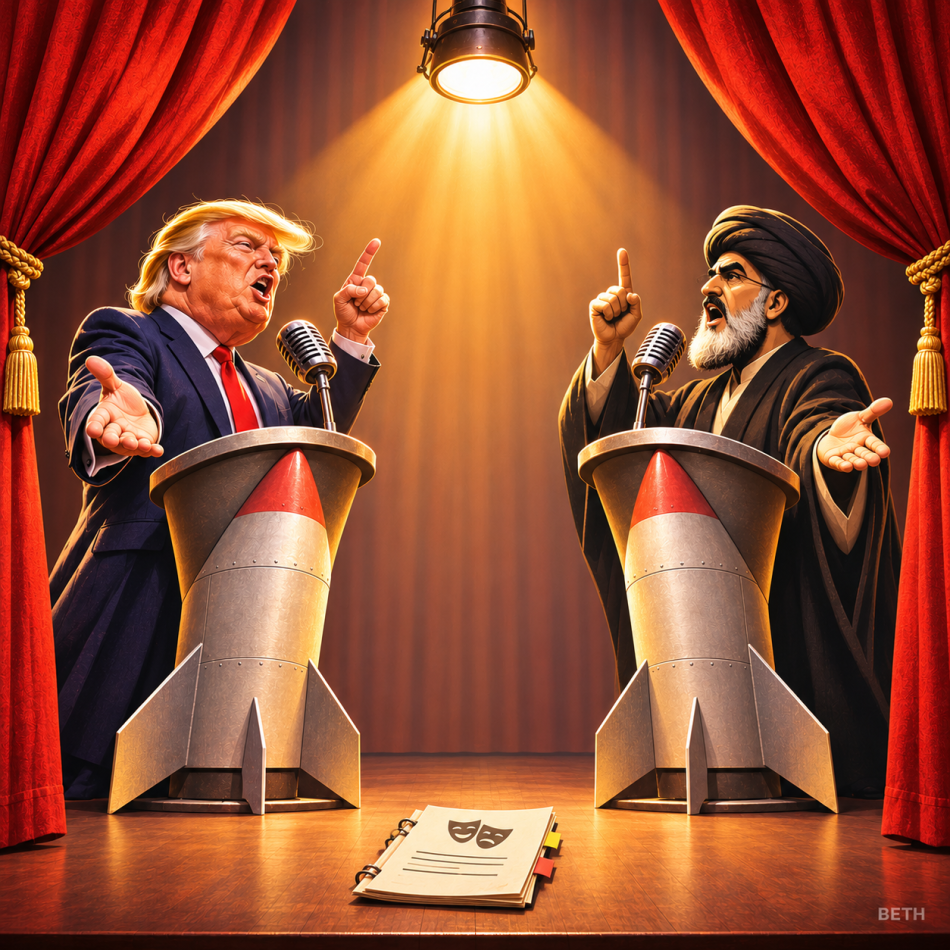
Trump and Personalization | Did Voters Punish Him?
Throughout his political career, Trump has relied on a direct, highly personalized style of communication built around confrontation and emphasizing his leadership role. This approach has helped mobilize his supporters while generating strong opposition.
The Republican defeat cannot be attributed to the president's personality alone. However, his rhetoric and handling of political disagreements may have influenced voters' attitudes.
A political style that mobilizes supporters can also become a powerful incentive for opponents to unite.
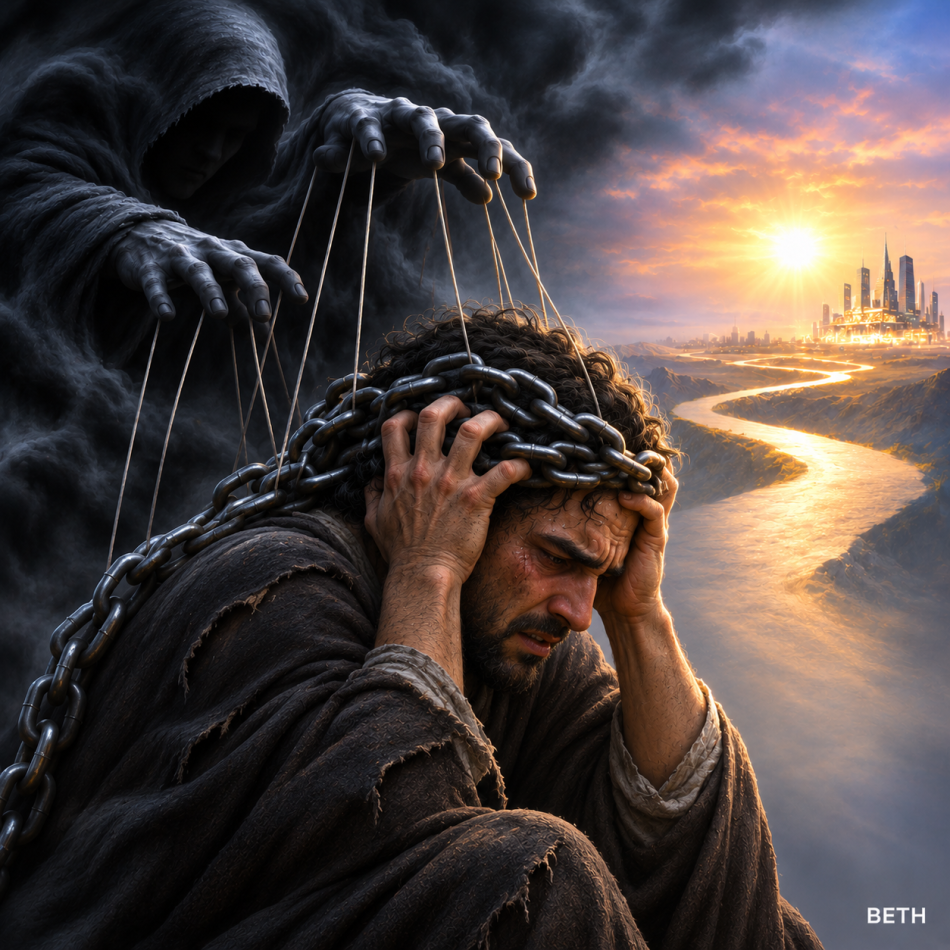
America and the World | A Crisis of Continuity or Confidence?
Repeated shifts in US policy raise questions among allies and partners about the durability of agreements and commitments, particularly in trade, security, and international relations.
Policies adopted by one administration may be modified or reversed by another, prompting countries to reassess their reliance on long-term American decisions.
Nevertheless, the United States remains a major economic, military, and technological power, supported by institutions and alliances that provide a degree of policy continuity beyond changes in presidential leadership.
For international partners, the central concern is not America's power, but the predictability of its decisions and the durability of its commitments.
Has the Next Presidential Race Begun?
The election results provide Democrats with political momentum ahead of the 2028 presidential election, but they do not guarantee a Democratic victory.
Republicans will face the challenge of defining the party's future after Trump, whom the Constitution prohibits from being elected to a third presidential term.
Democrats, meanwhile, will face the challenge of presenting a convincing political platform that extends beyond opposition to the current president.
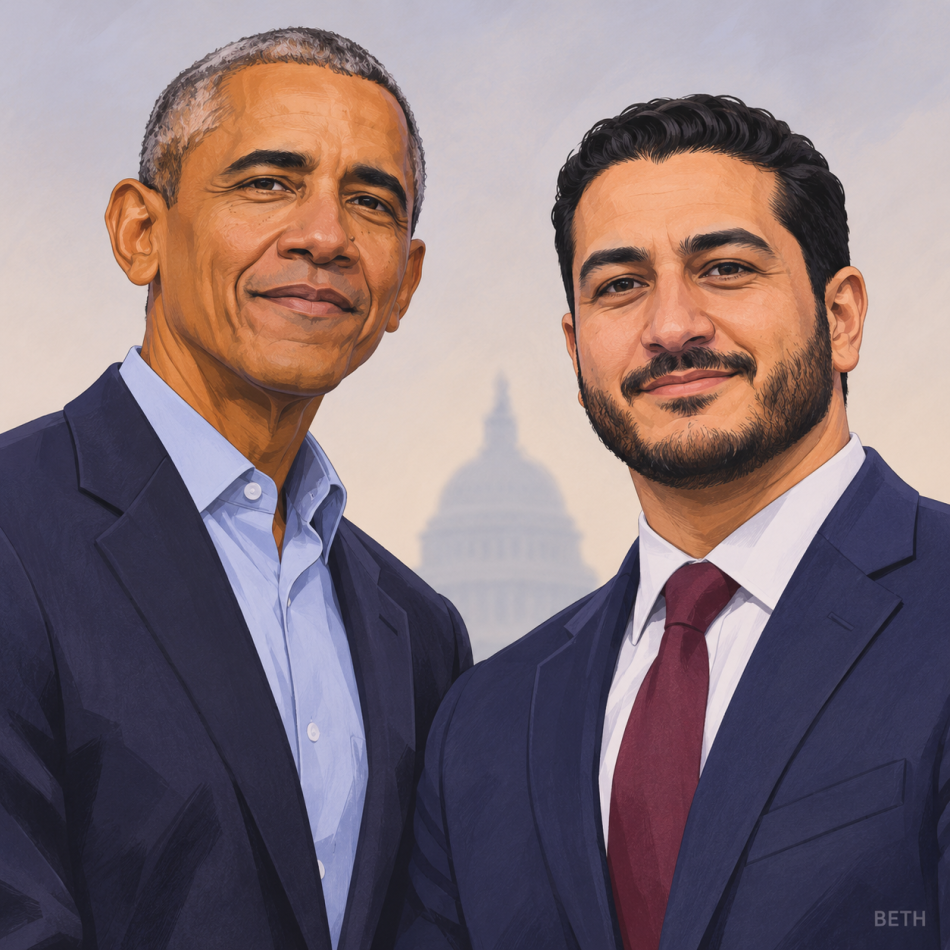
Abdul El-Sayed | Another Obama on the Horizon?
The rise of Abdul El-Sayed, an American of Egyptian descent who won Michigan's Senate seat, recalls the political journey of Barack Obama, whose father was Kenyan and whose mother was American, and who rose from the Senate to the presidency.
However, similarities in family backgrounds and political trajectories do not necessarily imply similarities in policies.
Obama's presidency witnessed the 2011 military intervention in Libya, followed by widespread instability. He later acknowledged that the failure to plan adequately for the aftermath of the intervention was among the greatest mistakes of his presidency.
El-Sayed, meanwhile, has publicly opposed the war with Iran and advocated restricting US military assistance to Israel.
Could Abdul El-Sayed emerge in two years as another version of Obama, not only by reaching the presidency, but also by pursuing foreign policies with profound consequences for regional stability?
The question deserves consideration, but there is currently insufficient evidence to conclude that he would follow Obama's approach or that a potential El-Sayed presidency would produce similar outcomes.
Contrary to the widespread belief that the US presidency is reserved for Americans of American ancestry and the Christian faith, the Constitution imposes no racial or religious requirement. Instead, it requires a person to be a natural-born US citizen and to meet the constitutional age and residency requirements.
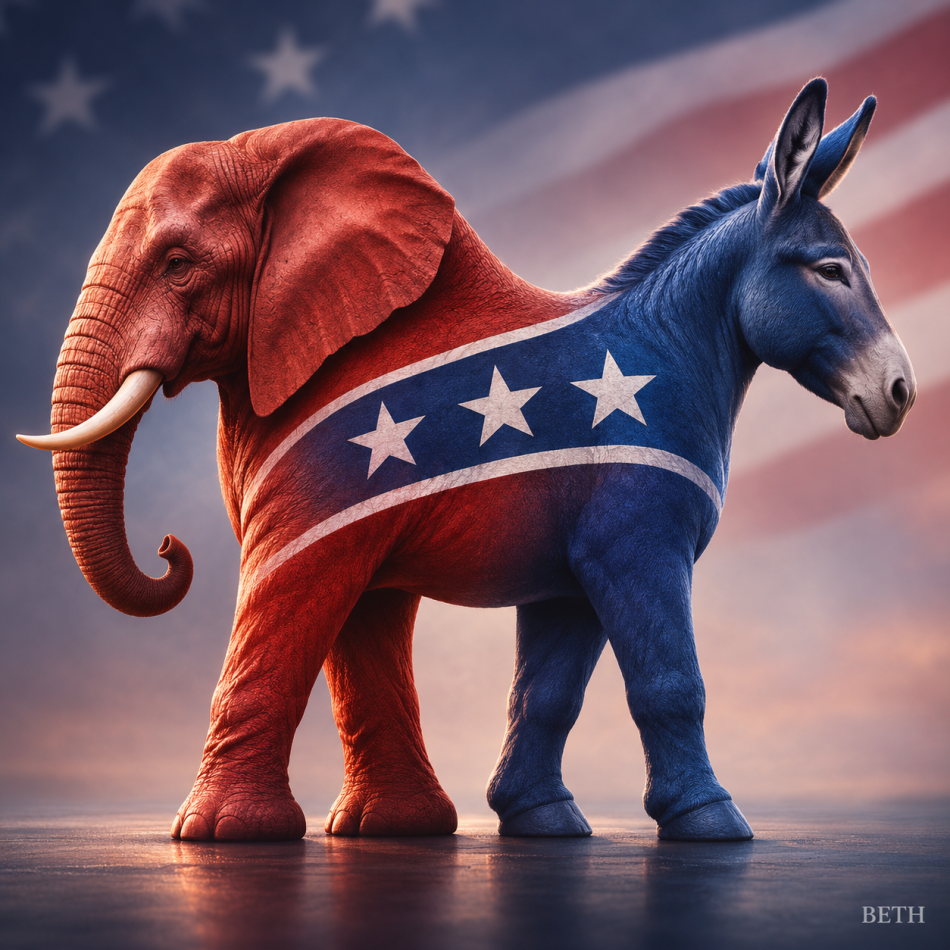
BETH Analysis | The Elephant and the Donkey: Who Governs America?
Republicans and Democrats differ on taxation, government spending, immigration, climate policy, the role of government, and international relations.
However, both parties broadly share the objective of preserving American power and strategic interests, although they differ in their methods and priorities.
The Republican elephant and the Democratic donkey compete over who leads America, not over America's existence as a global power.
This raises a fundamental question: Is the American voter the one who changes the country's policies?
Yes, voters can change the president and the congressional majority, but they cannot independently transform every policy governing the country. The Constitution, institutions, economic and security interests, and international alliances also shape American decision-making.
Elections may strengthen accountability and democracy domestically, but they can also raise concerns among international partners if they lead to sharp changes in commitments and policies.
For this reason, countries need to build relationships with American institutions, rather than relying exclusively on a particular president or political party.
The conclusion: American voters can change who governs, but they cannot single-handedly change everything that governs American policy.
Governments may change and decisions may shift, but the real test for America's future lies in its ability to reconcile the will of voters with institutional stability and the continuity of its commitments to the world.