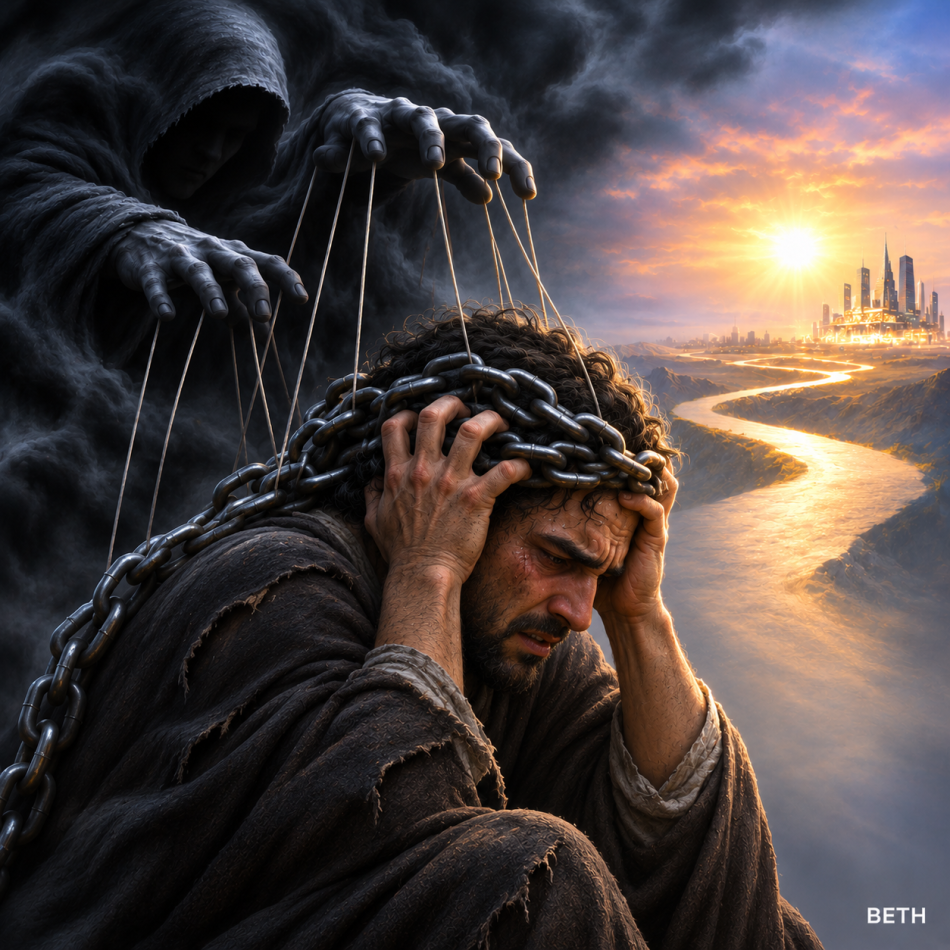



Europe Faces Widening Social Unrest
Cost-of-living protests and incidents of violence coincide with Halloween celebrations across European cities, raising questions about governments' ability to address public anger and the future of trust in democracy.
Riyadh | BETH
November 1, 2026
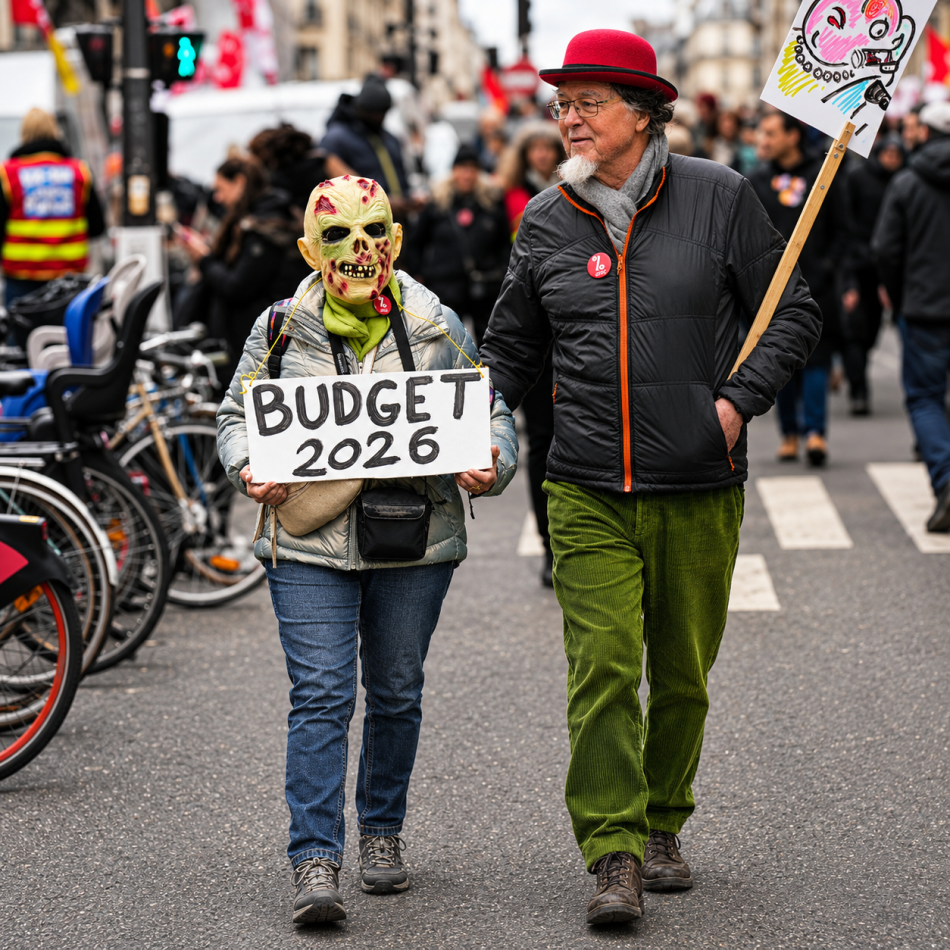
European cities experienced an extraordinary day as demonstrations demanding improved living conditions coincided with Halloween celebrations. Some streets witnessed clashes with police, vandalism, and looting, although most protests remained peaceful.
In France, approximately 320,000 people participated in Saturday's demonstrations, according to the Interior Ministry, compared with 550,000 on October 17, indicating a decline in turnout without an end to the underlying grievances.
French authorities recorded 779 arrests during the day of demonstrations and Halloween night. Meanwhile, youth protests in German cities were accompanied by clashes in some locations, while social demonstrations continued in other European countries.
Halloween is an annual celebration held on October 31, originating from ancient European traditions. It has evolved into a popular entertainment occasion featuring costumes, parties, and public festivities.
This year's overlap between protests and Halloween celebrations increased crowd density and complicated public order management, creating opportunities for violent groups to exploit the atmosphere and provoke unrest.
Why Is This Happening?
The causes of protests vary across European countries, but several common concerns emerge: rising living and housing costs, declining purchasing power, and growing uncertainty about education, employment opportunities, and public services.
Youth participation reflects increasing anxiety about the future, particularly as the gap widens between individual aspirations and available economic opportunities.
How Are Governments Responding?
European governments are responding through security measures to protect property and contain violence, alongside political initiatives and commitments aimed at improving public services and living conditions.
However, security measures, regardless of their effectiveness, cannot alone resolve the economic and social grievances driving citizens into the streets.
BETH Analysis | The Democratic Paradox
Europe faces a paradox worth examining. A civilization that helped develop modern democratic institutions and the rule of law now confronts a renewed challenge: balancing freedom of expression with the preservation of public order.
The problem is not peaceful protest, which is protected by law, nor celebration as a social activity. Rather, it arises when some gatherings descend into violence and attacks that impose costs on society.
This raises a deeper question: If European democracies guarantee rights and freedoms and allow citizens to elect and hold their governments accountable, why do protests continue and public frustration grow?
Is the problem rooted in democracy itself, or in the performance of governments increasingly unable to meet citizens' expectations?
The freedom to demonstrate does not necessarily mean public satisfaction. Political rights alone cannot compensate for declining purchasing power or difficulties in securing housing, employment, and essential services.
These developments do not necessarily signal the collapse of the European model. They do, however, expose a gap between the rights guaranteed by democratic institutions and the tangible results citizens expect.
The real test of democracy lies not merely in guaranteeing the right to protest, but in the ability of institutions to listen, respond, and correct their policies.
If democracy gives citizens the right to choose their governments, Europe now faces a fundamental question:
Why does public anger persist toward governments citizens themselves elected, and can those governments restore public trust before protest becomes a permanent feature of European society?
Prepared and analyzed by | Strategic Media Department – BETH News Agency