


United States Signs Participation Contract for Expo 2030 Riyadh
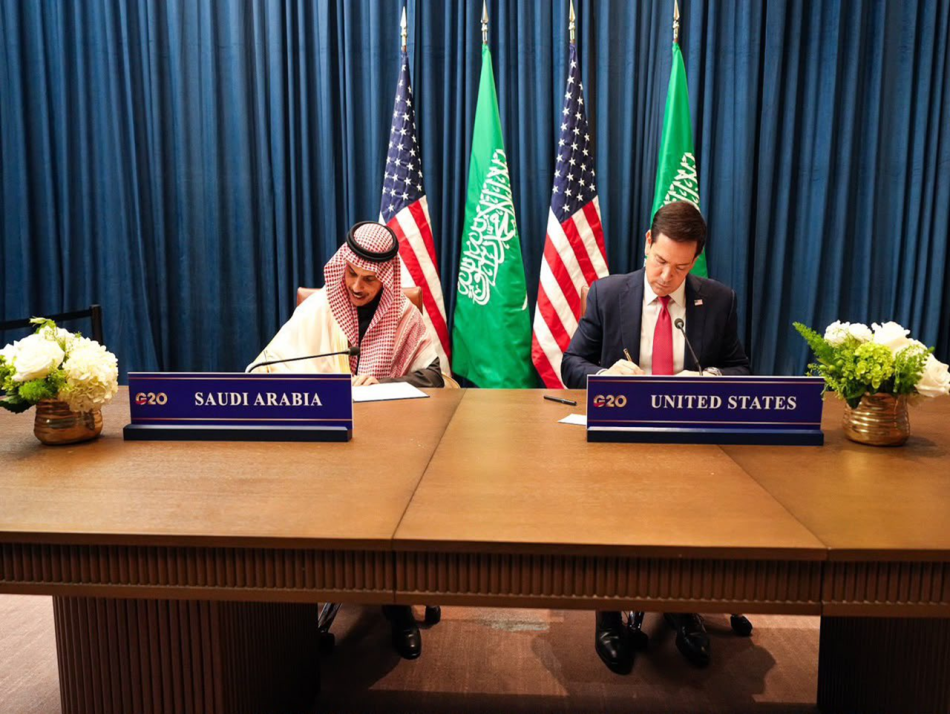
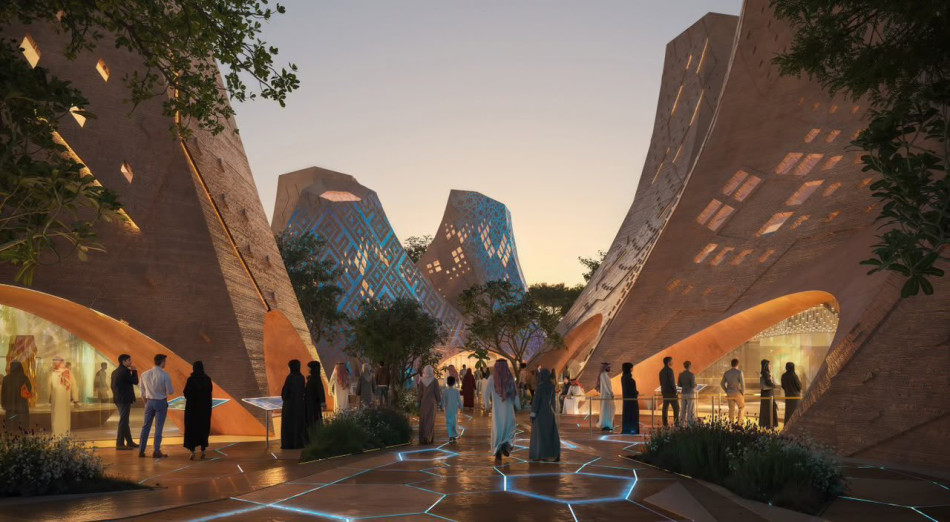
Saudi and U.S. foreign ministers sign the official American participation contract for Expo 2030, paving the way for the development of a pavilion showcasing American innovations and technologies while opening new opportunities for economic and investment cooperation.
Riyadh | BETH
October 31, 2026
The United States has signed its official participation contract for Expo 2030 Riyadh, marking a transition from a declared commitment to practical preparations and strengthening international participation in the global event hosted by the Saudi capital.
The contract was signed by Saudi Foreign Minister Prince Faisal bin Farhan bin Abdullah and U.S. Secretary of State Marco Rubio on the sidelines of the G20 Foreign Ministers' Meeting in Atlanta, United States, in the presence of Princess Reema bint Bandar bin Sultan, Saudi Arabia's Ambassador to the United States.
The agreement paves the way for the development of the U.S. pavilion, its programs, and visitor experience. Washington intends to showcase American innovations and technologies, highlight the capabilities of its companies and commercial opportunities, and strengthen its economic partnership with Saudi Arabia.
The exhibition is scheduled to begin on October 1, 2030, and continue until mid-March 2031, with Saudi projections anticipating more than 42 million visits from over 200 countries.
BETH Analysis | Beyond Participation
The American move carries significance beyond official representation at the exhibition. It provides U.S. companies and innovation institutions with an international platform for networking and investment, while adding a substantial economic and technological presence to Expo 2030 Riyadh.
The signing also reflects continued Saudi-U.S. cooperation in economic and technological fields despite regional tensions, demonstrating that preparations for the global event are proceeding according to a long-term plan.
The most significant value of Expo 2030 Riyadh lies in its potential to transform national participation from temporary exhibitions into partnerships, projects, and investment opportunities whose impact extends well beyond the event itself.