
The Beauty of Architecture and the Symbolism of Place in Riyadh
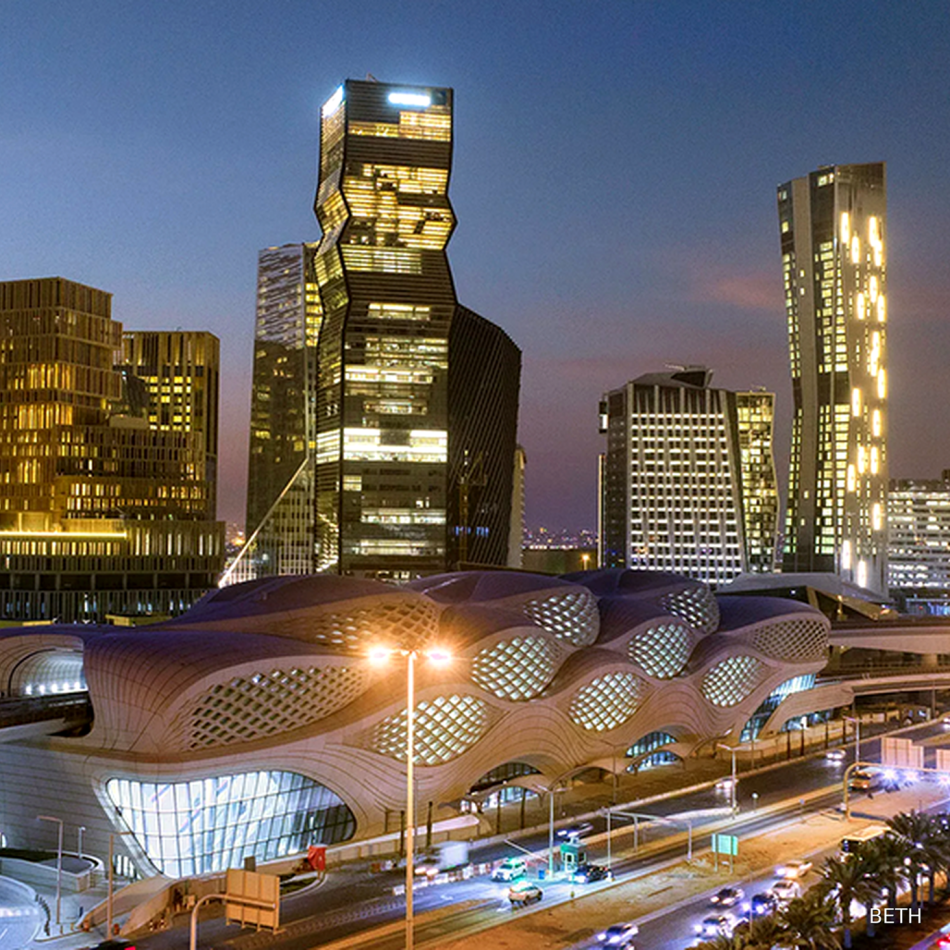
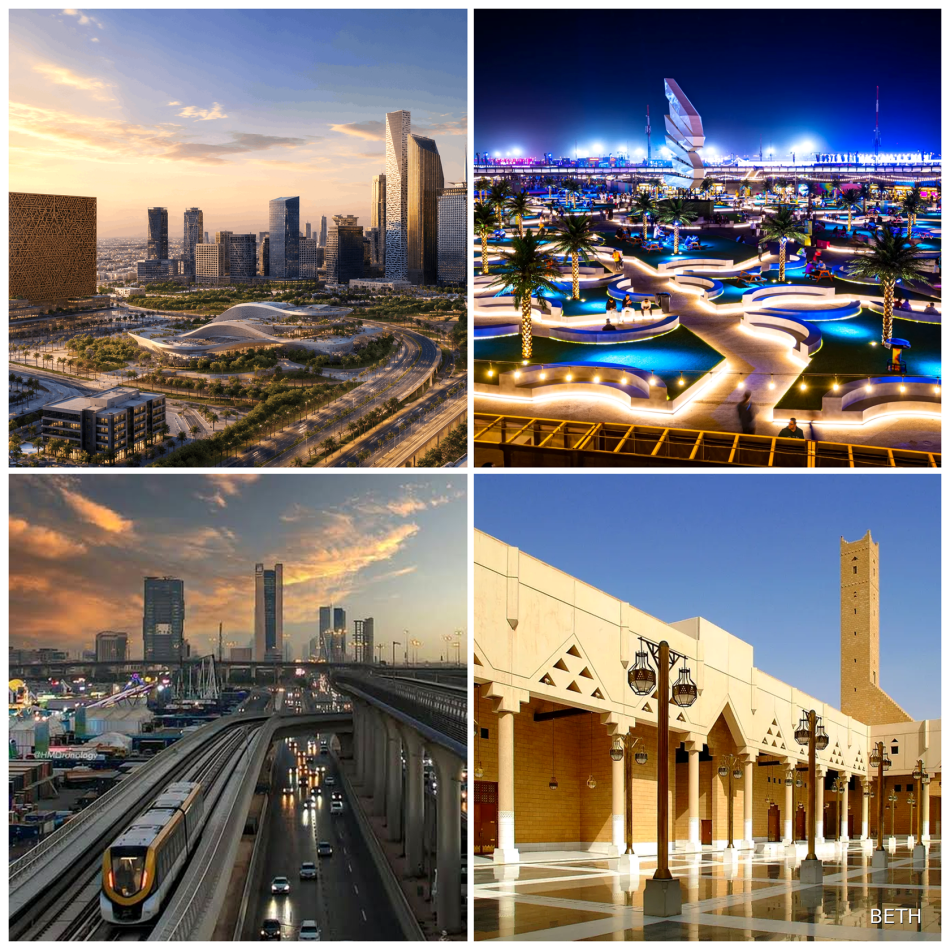
Saudi Arabia’s capital is reshaping its urban landscape with an identity that combines heritage, modernity, and sustainability. Security and stability ensure the continuity of Vision 2030 projects, while integrated services and quality of life remain the true measures of successful urban transformation.
Prepared by | Strategic Media Department – BETH News Agency
Supervised by | Abdullah Al-Omairah
October 31, 2026
Riyadh is no longer changing merely in its buildings and roads, but in the very concept of the city itself. Construction is evolving beyond physical structures into spaces for living, working, and cultural activity, while architecture is becoming an integral part of the capital’s identity and international standing.
This transformation is reflected in historic Diriyah, the King Abdullah Financial District, and projects such as King Salman Park, the Sports Boulevard, and Green Riyadh, bringing together the symbolism of place, architectural beauty, and the requirements of sustainability.
Architecture and the Identity of Place
Architecture acquires its true value when it reflects its environment and history without losing sight of future needs. Diriyah preserves its historical authenticity, while the King Abdullah Financial District presents a model of modern architecture. Parks and public spaces add a human and environmental dimension to the urban landscape.
This diversity gives Riyadh a distinctive architectural character, based not on replicating international models but on developing a contemporary Saudi identity.
Stability Ensures Continuity
While the region faces political and security tensions and wars that have affected the economies of many countries, Saudi Arabia continues implementing its development projects, supported by security, institutional stability, and the capacity for long-term planning.
Here, the value of security extends beyond protecting infrastructure and society. It becomes a fundamental factor in sustaining investment and project implementation while maintaining the confidence of residents and investors in the city’s future.
Beauty Alone Is Not Enough
Successful urban transformation, however, is not measured by the height of buildings or the beauty of their facades, but by how effectively sustainable design is integrated with efficient services and the convenience of everyday life.
A beautiful building needs well-organized surroundings, adequate parking, safe roads and pedestrian pathways, efficient public transportation, and cleaning, maintenance, and operational services that match the quality of its design.
Any shortcomings in these elements, however minor they may seem, deserve attention and corrective action. A fully integrated system is what transforms an outstanding project into a successful urban experience.
BETH Analysis | Beauty Is a Responsibility
The significance of Riyadh’s transformation lies in its transition from urban expansion to creating a city where identity, beauty, sustainability, and services work together as an integrated whole.
The responsibility for development does not end when a project opens. Rather, another equally important phase begins: measuring users’ satisfaction, monitoring operations and maintenance, identifying shortcomings, and addressing them continuously.
The true value lies not merely in Riyadh building what captures the world’s attention, but in providing its residents and visitors with an environment that makes life more beautiful, convenient, and sustainable.