


The US-Iran War.. Day 237
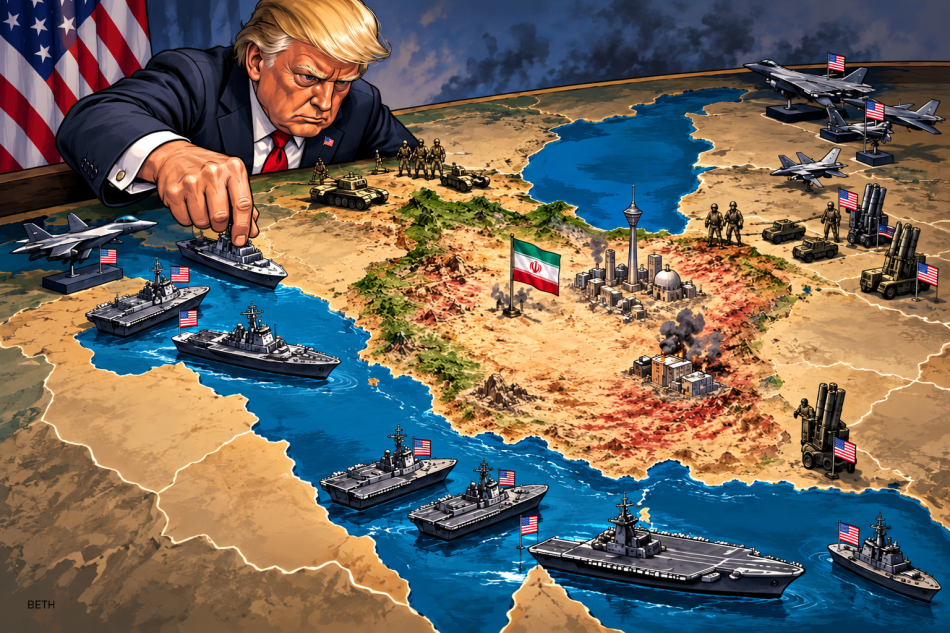
Trump announces that victory is approaching and denies authorizing Vance to negotiate with Iran, while US and Israeli officials discuss a large-scale military operation, amid fears within the Revolutionary Guard of a possible collapse of the situation and a Saudi initiative to give diplomacy another opportunity.
October 29, 2026
Prepared and Analyzed by | Strategic Media Department – BETH News Agency
Key Developments
The US-Iran war entered its 237th day amid American threats of new military operations and limited contacts with Tehran, as the blockade continues and disagreements persist over the nuclear program and the Strait of Hormuz.
Trump Signals Victory: US President Donald Trump declared that Iran would soon join the list of American victories, asserting that most of its air and naval capabilities had been destroyed, its missile stockpile had declined, and electricity shortages were hampering drone production. He renewed his pledge to prevent the Iranian regime from acquiring a nuclear weapon.
Vance and Medical Supplies: Trump denied authorizing Vice President JD Vance to conduct negotiations with the Iranians, but confirmed that he had approved contact with Tehran to deliver medical supplies, contrary to American reports of a message to Mohsen Rezaei exploring the resumption of negotiations over the nuclear issue.
The Anticipated Military Operation: Reports citing US and Israeli officials indicated that plans under consideration for new strikes against Iran include targeting Iranian leaders, energy facilities, infrastructure, and nuclear sites. Assessments suggest that the operation could take place after the November 3 congressional elections, although no final decision has been announced regarding its timing or scope.
Fears Within the Revolutionary Guard: Circles within Iran's Islamic Revolutionary Guard Corps are speaking, both publicly and through undisclosed communications, of a possible collapse of the situation in Iran amid the consequences of the blockade, military strikes, and the continuing war.
Saudi Position: Washington informed countries in the region of the possibility of launching new military strikes against Iran and a potential Iranian response targeting vital facilities. In response, Saudi Arabia asked Trump to exercise restraint and give a diplomatic solution another opportunity, to prevent the confrontation from widening and affecting regional security and energy supplies.
Hormuz and Negotiations: Contacts through mediators continue regarding the reopening of the strait, while sanctions, nuclear guarantees, and the sequencing of commitments remain the main obstacles to a settlement.
Analysis
Washington speaks the language of a victor and prepares militarily, without cutting off all channels of communication.
Trump's denial that he authorized Vance to negotiate places limits on reports circulating about the resumption of talks, while information attributed to US and Israeli officials reveals the expanding range of military options under consideration against Iran.
These developments gain additional significance amid reports of fears within the Revolutionary Guard over deteriorating conditions, alongside the Saudi initiative to give diplomacy another opportunity.
The Iranian regime, meanwhile, continues to link nuclear concessions to the easing of the blockade and sanctions, leaving prospects for a settlement limited without a change in the positions of both sides.
Commentary
The next phase will test Washington's decision and Tehran's ability to make genuine concessions.
The expansion of potential military targets to include leaders and vital facilities increases the risks of confrontation and its regional consequences, while Saudi Arabia seeks to prevent another round of military operations.
The question remains: Will diplomatic efforts succeed in preventing the anticipated strikes, or will Washington move to carry out its threats after the elections?