
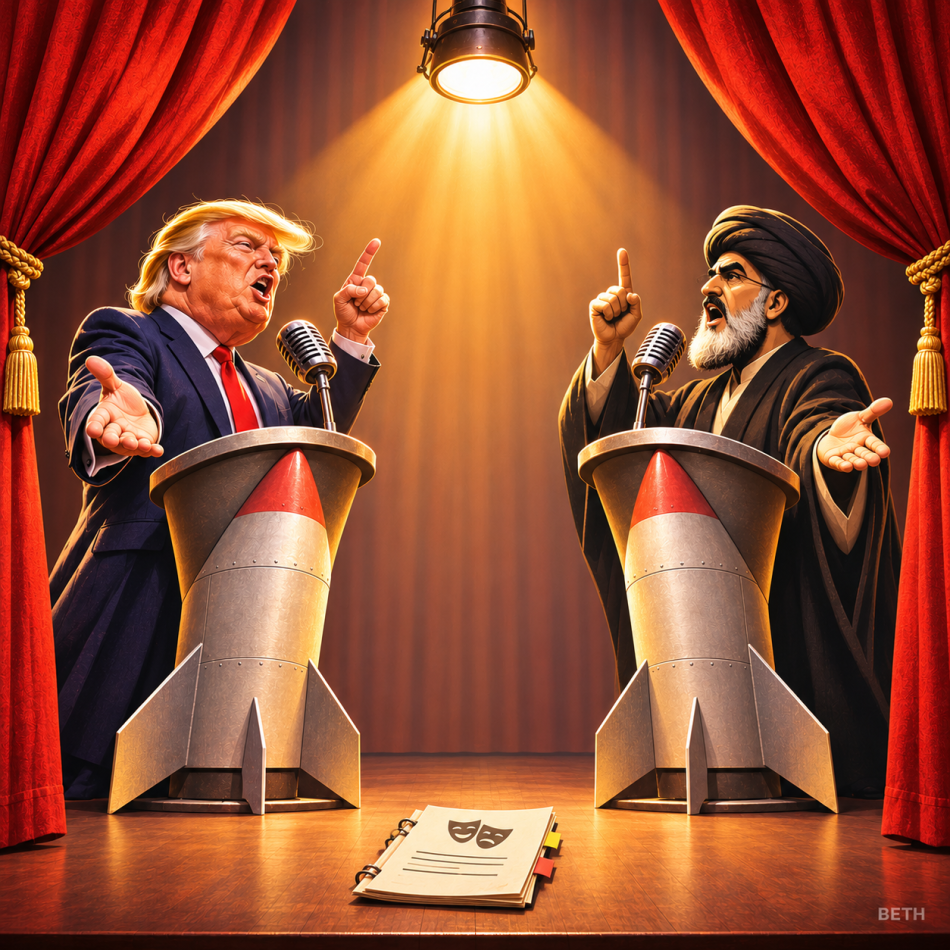


Saudi Cabinet Affirms Protection of the Two Holy Mosques and Approves Commercial Transactions Law
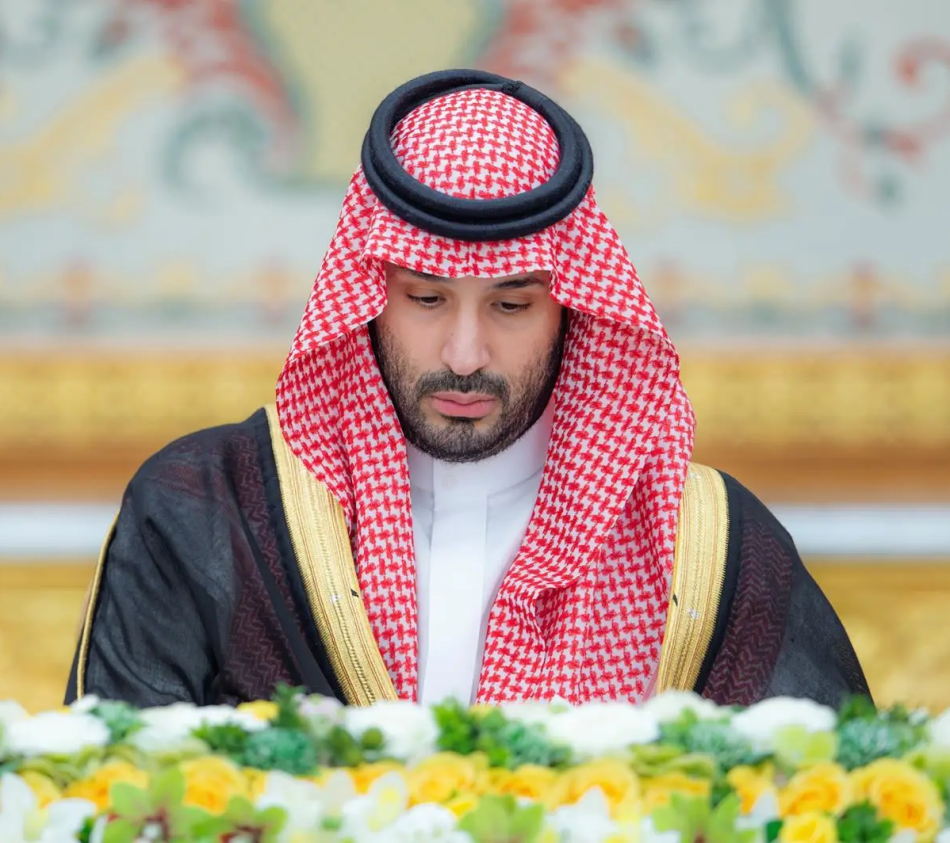
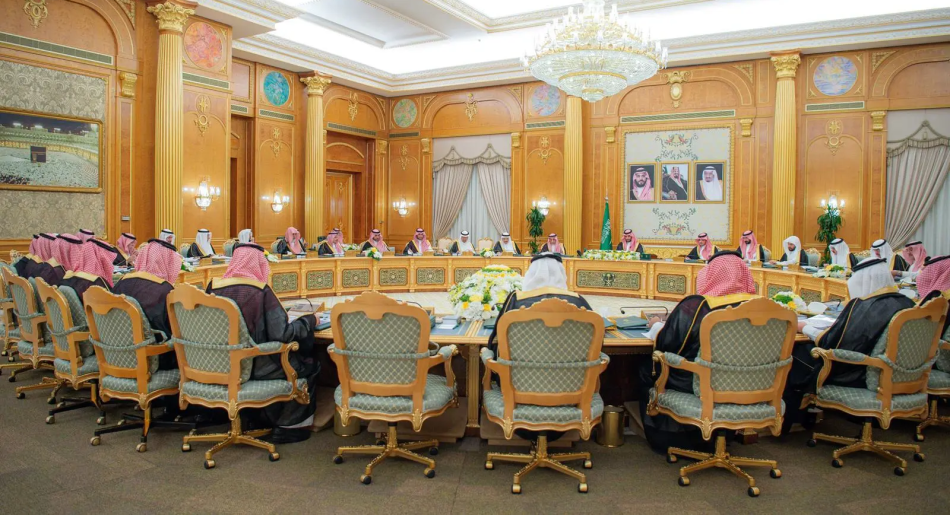
Chaired by the Crown Prince, the Cabinet affirms the Kingdom’s right to defend the Two Holy Mosques, supports regional peace efforts, highlights the achievement of military spending localization targets, and issues 15 decisions covering international cooperation, legislation, and administrative organization.
Riyadh | BETH
October 27, 2026
His Royal Highness Prince Mohammed bin Salman bin Abdulaziz Al Saud, Crown Prince and Prime Minister, chaired the Cabinet session held Tuesday in Riyadh, during which the Cabinet affirmed the Kingdom’s legitimate right to firmly defend the security of the Two Holy Mosques and their visitors, praising the efficiency of air defense systems in thwarting repeated Houthi attacks.
The Cabinet reiterated Saudi Arabia’s commitment to regional and international security and stability, and its support for Qatari and Pakistani mediation efforts to reduce escalation, emphasizing the pivotal role of the countries participating in the Makkah Mutual Defense Agreement in strengthening regional security.
The Cabinet also highlighted the achievement of military spending localization targets beyond the annual goal, approved the Commercial Transactions Law, and endorsed several international agreements and economic and regulatory decisions.
Key Positions and Directions
Protection of the Two Holy Mosques
The Cabinet condemned repeated attempts by the terrorist Houthi militia to target Makkah, Madinah, and several Saudi cities and facilities, describing these attacks as a serious aggression against the Kingdom’s sovereignty and the sanctity of Islamic holy sites, as well as a flagrant violation of the sentiments of Muslims worldwide.
It praised the high capabilities of Saudi air defense systems and their success in thwarting these attacks, reaffirming the Kingdom’s right to defend the Two Holy Mosques, their visitors, citizens, and residents.
Support for Regional Peace Efforts
The Cabinet reviewed the discussions held between the countries participating in the Makkah Mutual Defense Agreement and senior Iranian officials, reiterating Saudi Arabia’s commitment to strengthening regional and international security and stability.
It emphasized the pivotal role of the agreement’s member states and expressed support for mediation efforts undertaken by Qatar and Pakistan to reduce escalation, as well as all initiatives aimed at achieving peace.
Strengthening International Relations
The Crown Prince briefed the Cabinet on the contents of two messages received by the Custodian of the Two Holy Mosques, King Salman bin Abdulaziz, and His Royal Highness from Egyptian President Abdel Fattah El-Sisi and Kazakh President Kassym-Jomart Tokayev.
He also briefed the Cabinet on his meeting with French President Emmanuel Macron and the outcomes of his official talks with Greek Prime Minister Kyriakos Mitsotakis, which reaffirmed the strength of historical relations and the commitment to expanding bilateral cooperation.
Military Industries Exceed Localization Target
The Cabinet highlighted the increase in the localization of military spending in Saudi Arabia to 27.3% by the end of 2025, exceeding the annual target of 24%.
Local content also reached 40.9%, reflecting the development of national capabilities and stronger integration between the public and private sectors, as part of efforts to localize more than 50% of total military spending by 2030.
Global Recognition of Government Excellence
The Cabinet reviewed government performance indicators and progress achieved in administration, governance, and institutional excellence.
It praised the Ministry of Human Resources and Social Development for winning an international award from the International Project Management Institute, outperforming 53 organizations from 28 countries in recognition of its efficiency in implementing initiatives and aligning them with national priorities.
Cabinet Decisions
The Cabinet issued 15 decisions covering international agreements, legislation, administrative organization, final accounts, and promotions, as follows:
First | Visa Exemptions
Approval of a model agreement between the Saudi government and foreign governments concerning visa exemptions for holders of diplomatic, special, or equivalent passports.
The Minister of Foreign Affairs, or his representative, was authorized to negotiate and sign agreements with several governments based on the approved model.
Second | Saudi–Turkish Cooperation
Approval of a memorandum of understanding between Saudi Arabia and Türkiye in the municipal and housing sectors.
Third | Customs Cooperation with India
Approval of an agreement between Saudi Arabia and India on cooperation and mutual assistance in customs matters.
Fourth | Saudi–Syrian Cooperation
Approval of a memorandum of understanding between the Saudi Ministry of Municipalities and Housing and the Syrian Ministry of Public Works and Housing in the municipal and housing sectors.
Fifth | Nuclear Safety Cooperation with Jordan
Approval of a memorandum of understanding between the Saudi Nuclear and Radiological Regulatory Commission and Jordan’s Energy and Minerals Regulatory Commission on cooperation in nuclear safety, nuclear security, and radiation protection.
Sixth | Digital Government Cooperation with South Korea
Authorization for the Minister of Communications and Information Technology, Chairman of the Digital Government Authority, or his representative, to negotiate with the Korean side regarding a draft memorandum of understanding between the authority and South Korea’s Ministry of the Interior and Safety on digital government cooperation.
Seventh | Counterterrorism Cooperation with Bangladesh
Approval of a cooperation agreement between the Saudi Presidency of State Security and Bangladesh’s National Security Intelligence agency on combating terrorism-related crimes and their financing.
Eighth | Commercial Transactions Law
Approval of the Commercial Transactions Law, a legislative step aimed at developing the legal framework governing commercial transactions and activities.
Ninth | Cultural Studies
Approval of the regulatory arrangements for the Royal Institute for Anthropology and Cultural Studies.
Tenth | Oversight of Electric Amusement Rides
Approval of the roles, responsibilities, and authorities of relevant agencies concerning the supervision, inspection, and regulation of electric amusement rides.
Eleventh | National Water Company
Approval of the reconstitution of the Board of Directors of the National Water Company, chaired by Engineer Abdulrahman bin Abdulmohsen Al-Fadley.
Twelfth | Food Poisoning Investigations
Approval of adding the Ministry of Environment, Water and Agriculture to the committee responsible for investigating food poisoning incidents.
Thirteenth | Final Accounts
Approval of the final accounts of the Equestrian Authority, the Saudi Export-Import Bank, and the Social Development Bank for two previous fiscal years.
Fourteenth | Annual Reports
The Cabinet issued the necessary directives concerning the annual reports of the Hail Region Development Authority, the Equestrian Authority, the Saudi Ports Authority, the Saudi Conventions and Exhibitions General Authority, Saudi Arabian Airlines Corporation, the General Organization for the Conservation of Coral Reefs and Turtles in the Red Sea, the King Abdulaziz Arabian Horse Center, the National Center for Meteorology, the Non-Oil Revenue Center, and the National Center for Non-Profit Sector Development.
Fifteenth | Promotions
The Cabinet approved the following promotions:
1. Abdullah bin Saad Al-Ghamdi: To Senior Business Advisor, Grade 15, at the Ministry of Energy.
2. Abdulrahman bin Arkan Al-Dawood: To Ambassador at the Ministry of Foreign Affairs.
3. Abdulaziz bin Ibrahim Al-Eid: To Senior Business Advisor, Grade 15, at the General Presidency of Scholarly Research and Ifta.
4. Mufleh bin Ayesh Al-Mutairi: To Business Advisor, Grade 14, at the Ministry of Finance.
5. Abdullah bin Mohammed Al Bu Sabaa: To Director General, Grade 14, at the Ministry of Human Resources and Social Development.
The Cabinet also approved the promotion of four Ministry of Foreign Affairs officials to the rank of Minister Plenipotentiary: Ahmed bin Mohammed Al-Anazi, Alia bint Ali Al-Rushaidan, Naif bin Mohammed bin Safran, and Fahd bin Mohammed bin Munikher.
BETH Analysis
The Saudi Cabinet session reflects three major directions in national policy:
Security and Sovereignty: Affirming the protection of the Two Holy Mosques and countering Houthi attacks, alongside supporting diplomatic efforts to reduce regional tensions.
Economic Development: Exceeding military spending localization targets and approving the Commercial Transactions Law, strengthening national capabilities and developing the legislative environment.
International Cooperation: Expanding partnerships with Asian, Arab, and European countries in security, trade, housing, and technology.
Conclusion
The Cabinet’s decisions reaffirm the Kingdom’s continued efforts to strengthen its defense, economic, and institutional capabilities while maintaining its diplomatic role in supporting regional and international security and stability.