



U.S.–Iran War.. Day 230
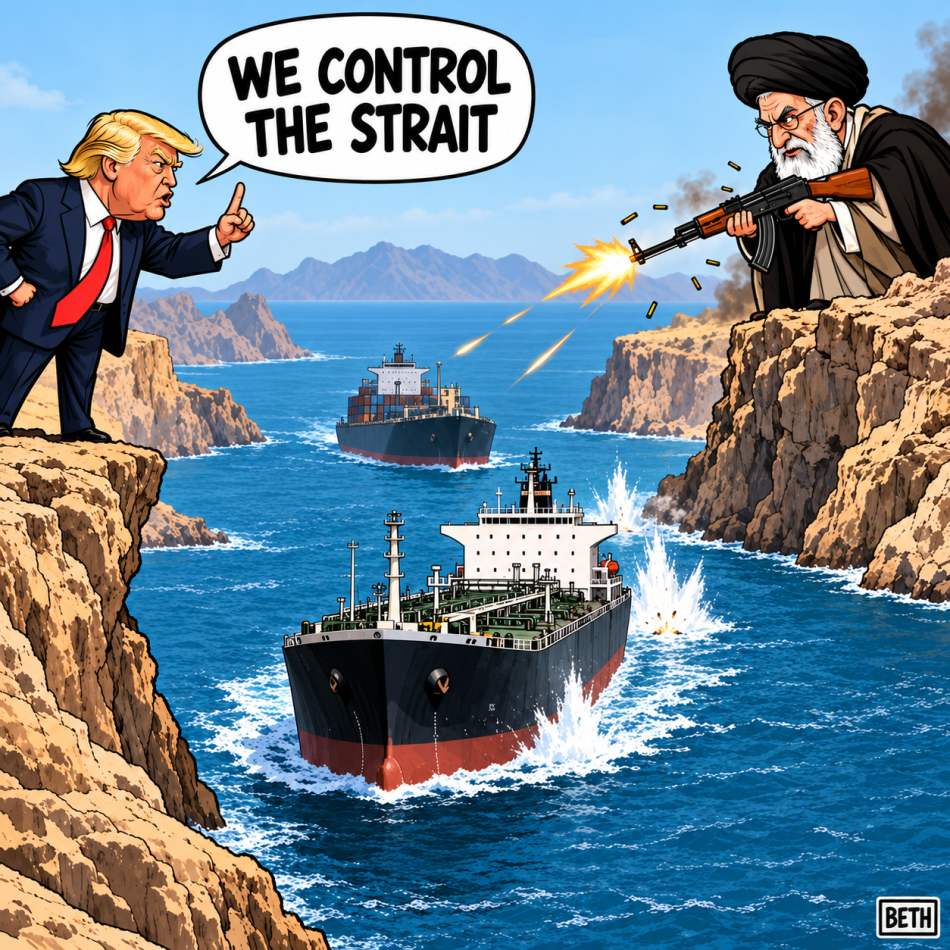
Hormuz Between Mines and Negotiations.. Washington Describes Peace as Difficult, While Military Movements and Mediation Efforts Continue
October 21, 2026
Prepared and Analyzed | Strategic Media Department – BETH News Agency
Key Developments
Washington: A Difficult Agreement
U.S. Secretary of State Marco Rubio described reaching a peace agreement with Iran as “extremely difficult,” confirming that economic measures would continue until Tehran stops targeting commercial vessels in the Strait of Hormuz.
Tehran Maintains Its Conditions
During his visit to Tehran, the Iranian leadership informed Pakistan's army chief of its refusal to resume direct negotiations before restrictions on oil exports are lifted and the blockade of ports is ended. Indirect contacts continue through Pakistan and Qatar, without any announced breakthrough.
Mines in Hormuz
Iran's Islamic Revolutionary Guard Corps announced that oil tankers had struck naval mines in the strait, amid continuing risks to navigation. No final independently verified assessment of the damage was available.
U.S. Military Movements
Reports indicated the deployment of a third U.S. aircraft carrier strike group and additional forces to the region, while other reports revealed a previous Israeli plan to strike Iran that was not carried out due to Washington's opposition to escalation.
Oil Above $110
Brent crude rose to approximately $110 per barrel, affected by supply risks and maritime attacks, despite the continued transportation of substantial volumes of Gulf oil through maritime and alternative routes.
Analysis
Iran maintains its negotiating conditions and uses maritime risks to strengthen its position, while Washington continues economic restrictions and military deployments. However, the continued flow of oil through alternative routes reduces Tehran's ability to turn the maritime threat into a complete halt in exports.
Commentary | Expectations and Possible Outcomes
A limited settlement concerning navigation remains more a subject of discussion than a comprehensive agreement on sanctions and the nuclear program. With the U.S. elections approaching, time is becoming an increasingly significant factor in both sides' calculations.
The risk is that a major maritime incident or a new military strike could close the window for negotiations before the terms of a settlement become clear.