



Day 228: Threats of a Decisive Outcome Resurface
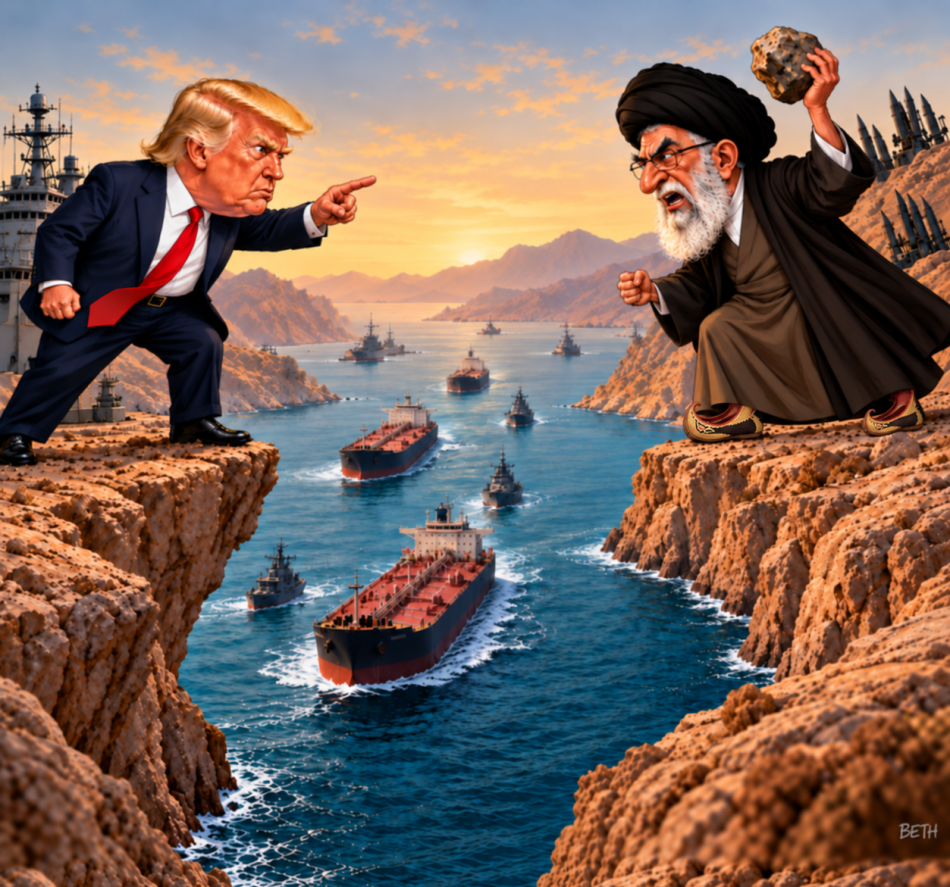
Trump threatens to resume military operations against Iran, while Tehran responds with warnings and maintains its conditions for reopening the Strait of Hormuz. Meanwhile, debate intensifies within Iran over acquiring nuclear weapons, and energy markets continue to bear the consequences of the war.
October 19, 2026
Prepared and Analyzed by | Strategic Media Department – BETH News Agency
The US-Iran war entered its 228th day amid renewed military threats between Washington and Tehran, alongside the continuing maritime and economic confrontation and emerging calls within Iran to reconsider its policy on acquiring nuclear weapons.
Military and Political Developments
Trump Threatens Decisive Action
US President Donald Trump warned that Washington could soon resume military operations against Iran if Tehran does not change its policies, asserting that Iran's military and financial capabilities have suffered extensive damage.
Iranian Foreign Minister Abbas Araghchi responded by warning that his country was prepared to confront further escalation, in an exchange of threats reflecting continued disagreements over the conditions for ending the war.
The Nuclear Issue Returns to the Forefront
Calls have emerged within hardline Iranian political circles to reconsider restrictions on the development of nuclear weapons, including the possibility of withdrawing from the Nuclear Non-Proliferation Treaty.
These calls do not constitute an official decision to develop a nuclear weapon, but they reveal a widening debate over Iran's deterrence options after months of military confrontation.
Hormuz: An Offer Without an Agreement
Tehran renewed its readiness to reopen the Strait of Hormuz within six days and resume talks on the seventh day if Washington agrees to conditions that include lifting the naval blockade and oil sanctions, and ending military operations.
However, negotiations remain stalled. The United States insists on addressing the nuclear program as part of the settlement terms, while Iran demands that maritime navigation and sanctions be addressed first.
Maritime Confrontation Continues
Commercial vessels continue to face risks from attacks and mines in the Strait of Hormuz and the Gulf of Oman, while the United States remains committed to protecting navigation and maintaining restrictions on Iranian exports.
Developments indicate that control over vessel movements has become one of the main instruments of negotiation and mutual pressure.
Energy and US Calculations
Oil prices declined in early trading despite continued maritime risks, amid expectations of increased Russian energy supplies following Washington's easing of certain restrictions.
Brent crude stood at approximately $107.57 per barrel, indicating that global energy costs remain elevated despite the daily decline.
This issue also intersects with the approaching US midterm elections on November 3, as fuel prices represent one of the economic and political challenges facing the Trump administration.
Strategic Assessment
Today's developments reveal three trends:
Militarily: Threats of decisive action are renewed without the announcement of a new US decision to launch extensive strikes, while Iran seeks to demonstrate its ability to retaliate.
Politically: Iran's nuclear debate further complicates negotiations amid disagreements over guarantees and the conditions for ending the war.
Economically: Security in the Strait of Hormuz and fuel prices have become part of both sides' calculations, as Washington seeks to limit the war's impact on markets and the US domestic economy.
BETH Assessment
The gap between the language of threats and the conditions for a settlement continues to widen, while both sides use their military and economic leverage to improve their negotiating positions.
The United States is relying on its ability to maintain the blockade and its military superiority, while Iran seeks to turn risks to maritime navigation and energy supplies into political and economic costs for Washington.
The decisive question remains: Will the rising cost of confrontation push both sides toward an agreement, or will renewed threats lead to more intense military operations?