



Dawn of Yemen – Day 14: Escalation Continues
October 18, 2026
Prepared and Analyzed by | Strategic Media Department – BETH News Agency
Operation “Dawn of Yemen” entered its 14th day amid continued military confrontations and airstrikes against the Houthis, alongside new attacks targeting Saudi Arabia, growing humanitarian concerns in Taiz, and regional moves to support the Kingdom's security.
Military Developments
Saudi Arabia: The official spokesperson for the Coalition to Support Legitimacy in Yemen, Major General Turki Al-Maliki, announced the interception and destruction of two ballistic missiles launched by the Houthis toward Khamis Mushait, along with three drones intercepted in the Riyadh and Eastern regions during the early hours of Sunday.
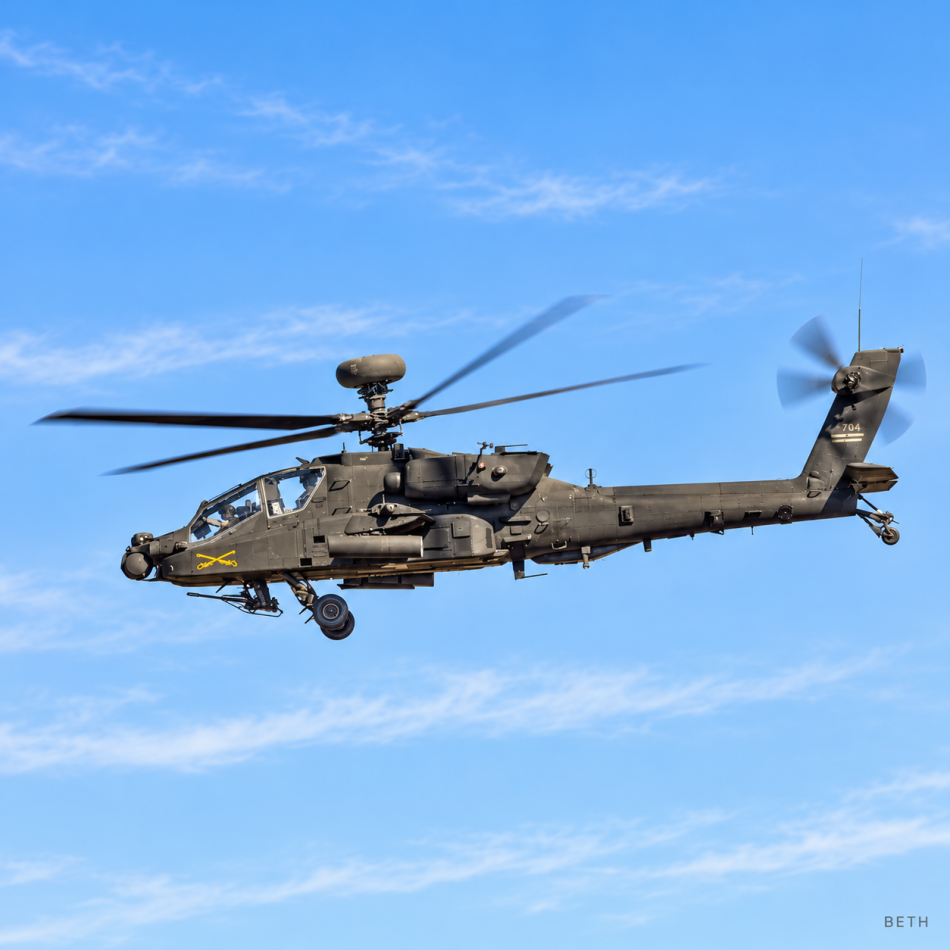
In Najran, the coalition announced that an AH-6i reconnaissance helicopter belonging to the Ministry of National Guard had crashed due to a technical malfunction inside Saudi territory, resulting in the deaths of its two-officer crew.
Taiz: Fighting continues around the city as the Houthis tighten their blockade of major roads, disrupting the delivery of food supplies, fuel, and medicine. Government forces continue operations aimed at preventing Houthi advances and securing access routes to the city.
Marib: The governorate remains one of the main fronts of Operation “Dawn of Yemen,” following announcements by Yemeni forces of advances in strategic positions over recent days, with operations continuing against Houthi fortifications and reinforcements.
Regional Developments
Egypt: The Egyptian House of Representatives is expected to hold an emergency session today to consider President Abdel Fattah el-Sisi's request for authorization to take defensive measures in support of Saudi Arabia if requested by the Kingdom.
Strategic Assessment
Today's developments show that the confrontation is proceeding along two simultaneous tracks: continued military operations inside Yemen and Houthi attempts to expand the impact of the war by targeting Saudi cities and facilities, also as a result of their successive battlefield losses in Yemen.
Taiz remains a crucial test of the government forces' ability to translate air support and firepower into territorial advances that ease the blockade and reopen supply routes.
Why Has the Battle for Taiz Taken So Long?
Government forces face battlefield challenges arising from the rugged mountainous terrain, Houthi fortifications on elevated positions, and difficulties in reopening and securing supply routes.
The presence of multiple fronts also requires forces and military support to be distributed across widely separated sectors, while the presence of civilians further complicates ground operations.
Therefore, advancing requires securing control of elevated positions, reopening roads, and consolidating positions while minimizing civilian casualties.
The battle is further complicated by the different nature of the two sides. Government forces constitute a regular army operating under an established command structure and obligations under international humanitarian law, while facing an armed group that relies on guerrilla warfare, fortifications in mountainous and residential areas, and movement between positions without fixed front lines.
This difference in fighting methods enables the Houthis to prolong the confrontation and makes a decisive military outcome more difficult, particularly given the need to protect civilians.
BETH Assessment
A decisive military outcome remains dependent on the Yemeni forces' ability to regain the initiative on the main fronts and secure cities and supply routes.
The principal challenge is to translate the intensity of military operations into sustainable gains on the ground without increasing civilian casualties and humanitarian consequences.