



Day 222: Hormuz Escalates the Confrontation
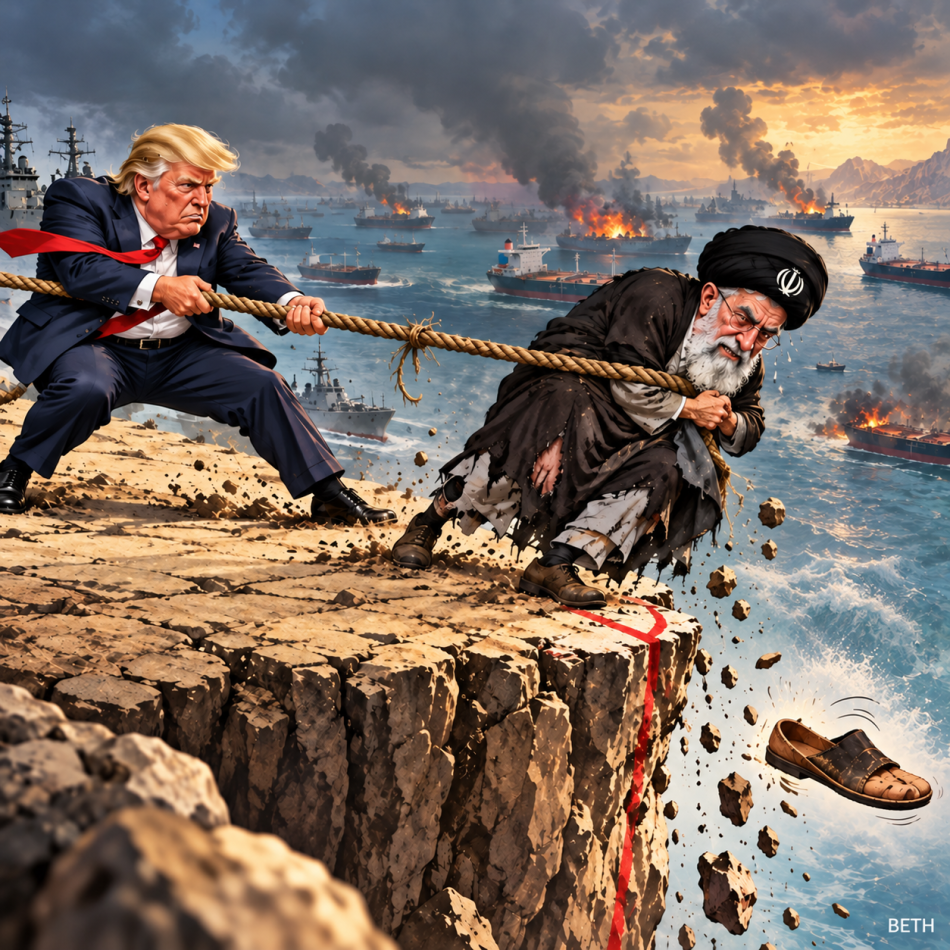
12 attacks on commercial vessels within one week in the Strait of Hormuz and the Gulf; Tehran reviews the U.S. response without reaching an agreement, while maritime tensions and Houthi attacks on Saudi Arabia increase risks to energy security and shipping
October 13, 2026
Prepared and Analyzed by | Strategic Media Department – BETH News Agency
The U.S.–Iran war entered its 222nd day amid escalating attacks on commercial vessels in the Strait of Hormuz and the Gulf, while contacts aimed at reaching an understanding on maritime navigation and the conditions for ending the confrontation remain stalled.
British maritime security advisories recorded 12 attacks on commercial vessels within one week, including incidents involving oil tankers and a container ship, with several attacks concentrated in the strait and near the Omani coast.
Hormuz: The Threat Expands
The successive attacks have brought direct risks to oil tankers back to the forefront of the crisis, while Iran's Islamic Revolutionary Guard Corps claimed responsibility for targeting vessels it said had violated the restrictions it imposes on navigation.
The continuing attacks demonstrate that the dispute over Hormuz is no longer limited to transit conditions, but also concerns the safety of vessels and their crews, and the ability of commercial shipping to continue operating.
Negotiations Without a Breakthrough
Iran's Foreign Ministry announced that it was continuing to review the U.S. response to its proposals before communicating its position through mediators.
The disagreements center on the sequence of negotiating steps. Washington insists on including the nuclear issue in the talks, while Tehran focuses on the conditions for reopening the strait and the associated security arrangements.
No agreement has been announced to resolve the dispute or guarantee the restoration of freedom of navigation.
Saudi Arabia: Attacks on Civilians
The maritime escalation coincides with continued Houthi attacks on Saudi Arabia, particularly civilian airports, following recent strikes that caused deaths, injuries, and disruptions to air traffic.
These attacks broaden the humanitarian and economic repercussions of the confrontation, as Yemeni government forces continue their military operations against the Houthis.
Further details are available in the Dawn of Yemen report.
Markets: Risks Persist
Oil prices declined during Tuesday's trading, but Brent crude remained above $105 per barrel amid continuing concerns over supplies and disruptions to maritime navigation.
This reflects the fact that daily price movements do not necessarily indicate a reduction in the risks facing energy trade.
BETH Analysis
The Hormuz crisis is gradually shifting from a dispute over the terms of a settlement into a practical test of international maritime security.
Each new attack makes it increasingly difficult to separate negotiations from military operations, while the repercussions extend to aviation, trade, and energy markets.
U.S.–Iranian diplomatic contacts face a clear test: moving from exchanging proposals to arrangements that can be implemented and verified.
Until that happens, the strait will remain a source of escalation, rather than merely an item on the negotiating table.