



Day 216: Endgame Conditions Tighten
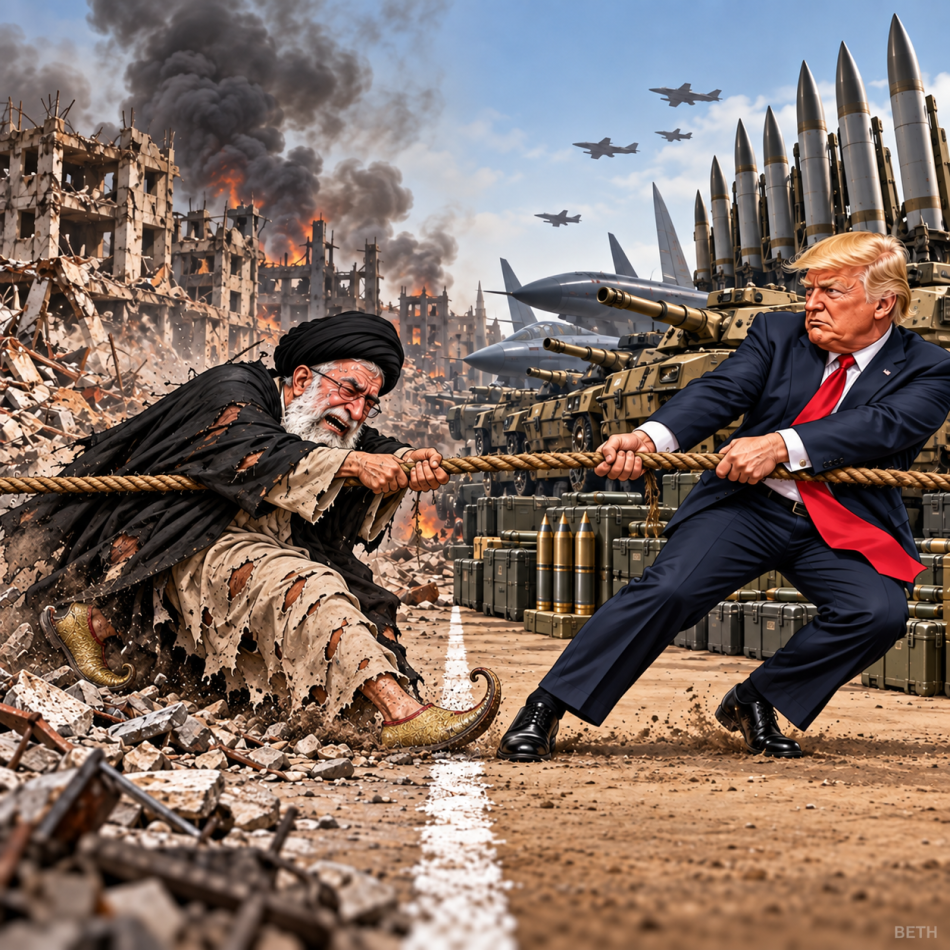
Washington ties an end to the war to a substantial reduction in Iran’s enrichment capacity; Hormuz regains part of its oil traffic but remains under attack, while markets are pricing in a prolonged risk rather than a temporary crisis
October 7, 2026
Prepared and Analyzed by | Strategic Media Management – BETH Agency
The U.S.-Iran war entered its 216th day with a clearer shift toward a battle over the terms of the endgame, while the Strait of Hormuz remained the main testing point between military escalation and the need to keep energy flows moving.
Washington said that any agreement to end the war would require a substantial reduction in Iran’s uranium enrichment capacity, considering political pledges alone insufficient. This indicates that negotiations are no longer focused only on a ceasefire and reopening Hormuz, but also on the shape of Iran’s nuclear program after the war.
In Hormuz, 12 sailors were injured in an attack on a vessel transiting the strait, following a series of attacks on tankers during the first days of October. Despite this, oil exports from the region rose again, reaching around 12 million barrels per day of crude in recent days, in addition to 2 million barrels of refined products.
The paradox is that shipping is improving while risks are rising. Oil flows have returned to levels close to those seen before the war, but insurance, transportation, and crew costs have increased sharply.
Brent remained near $101 a barrel, while U.S. estimates raised oil price forecasts amid continued inventory shortages and supply risks.
Analysis: The war is entering a phase in which neither side appears willing to retreat without extracting a price. Washington wants a tangible nuclear change, while Tehran continues to hold Hormuz as a bargaining card. The question is therefore becoming less about when the fighting will stop, and more about the political and strategic price of ending it.