


Day 214: The Fronts Are Shrinking
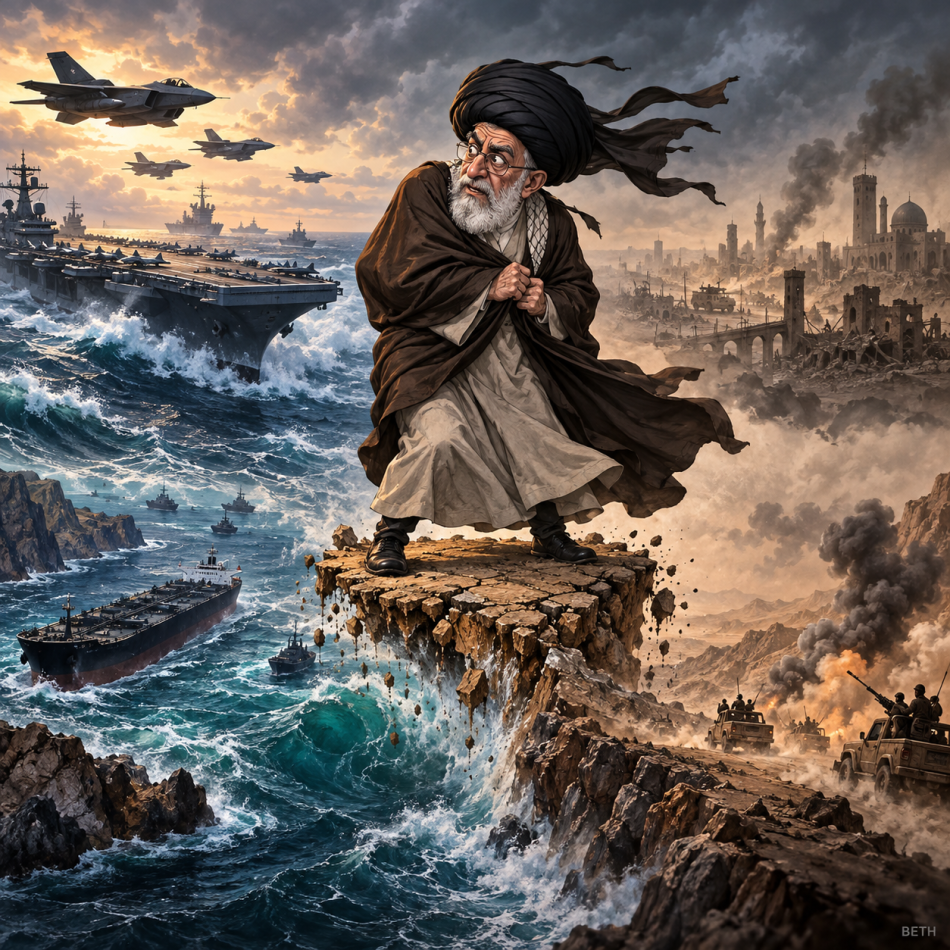
Iran ties the reopening of Hormuz to its conditions; Gulf exports recover, Yemen moves into operations to restore the state, and Iraq faces the test of bringing weapons under state control after the end of the international coalition’s mission
October 5, 2026
Prepared and Analyzed | Strategic Media Department – BETH News Agency
In Iran, the rhetoric has returned to combining negotiation with threats. Tehran says the war cannot be ended militarily, while at the same time linking the reopening of the Strait of Hormuz to the implementation of seven conditions included in a previous understanding with Washington, and threatening retaliation if military escalation resumes.
In Hormuz, a new paradox is emerging: crude exports from the Middle East exceeded pre-war levels on several days in late September, with the moving average reaching around 18.5 million barrels per day in early October. This, however, has coincided with an increase in attacks on tankers and higher shipping and insurance costs.
The United States continues to strengthen its military presence around Iran and the Strait of Hormuz. The USS Theodore Roosevelt carrier strike group has moved toward the region, alongside the deployment of an amphibious force of more than 2,000 Marines, expanding the military options available should diplomatic efforts falter or the confrontation widen.
At the same time, the USS George Washington remains a key part of the US deployment near Hormuz following its transfer from Japan to the region, operating under a sustained state of readiness amid the threat of missiles and drones.
The debate in Washington is also no longer limited to protecting navigation, but includes maintaining a ready capability to expand operations if large-scale confrontation with Iran resumes. Earlier reports had also indicated that Washington was considering deploying thousands of additional troops to the region to increase operational flexibility.
In Yemen, the government has formally moved from preparation to military operations aimed at restoring the remaining territories and state institutions, while the coalition has announced the continuation of full operational support for Yemeni forces, directly linking the battle to the security of the Red Sea and Bab al-Mandab.
As for Iraq, its role in the wider conflict is taking a different form. The end of the international coalition’s mission on September 30 has brought the issue of armed factions back to the forefront. The government is pushing to bring weapons under state control, while armed groups are linking any decision to disarm to conditions involving foreign influence, sovereignty and the presence of foreign troops.
BETH Analysis:
On Day 214, the war is no longer one single front. Iran is negotiating over Hormuz, Yemen is redrawing the map on the ground, and Iraq is testing who holds the ultimate authority over weapons.
- Hormuz is no longer an absolute card
- Yemen has entered the restoration phase
- Iraq is no longer a comfortable arena
- And US military preparations are tightening the constraints around Iran’s decision-making